


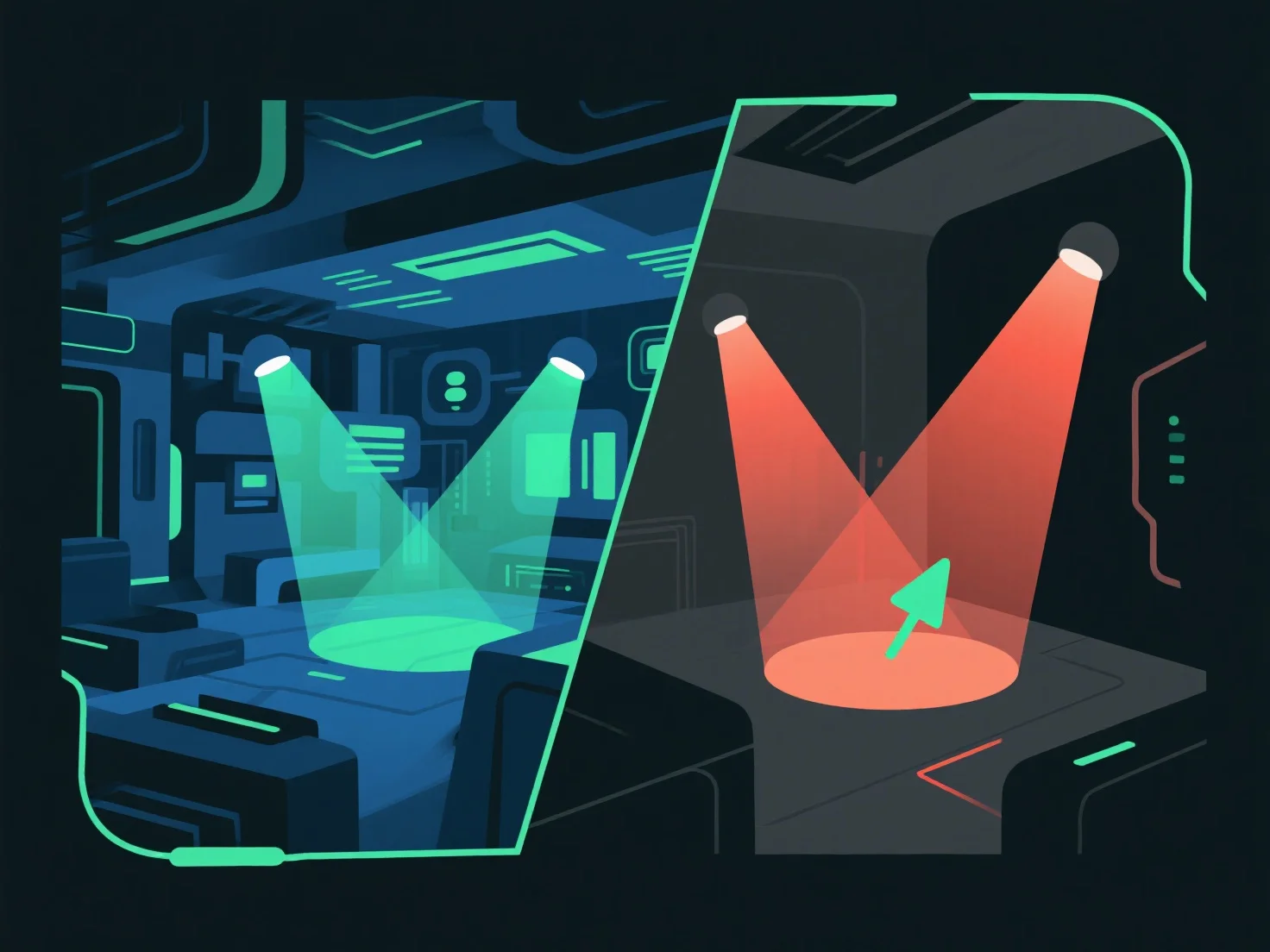
L'optimisation de l'éclairage dans des environnements en temps réel pour améliorer les performances consiste à réduire la charge computationnelle tout en maintenant la qualité visuelle, ce qui est réalisé grâce à des sources de lumière simplifiées, à l'éclairage pré-calculé et à une gestion efficace des ombres et de la lumière.
- **Limiter les lumières dynamiques** : Réduisez le nombre de lumières dynamiques, car chacune ajoute une surcharge GPU/CPU. Privilégiez les lumières statiques ou semi-statiques lorsque c'est possible pour minimiser les calculs en temps d'exécution. - **Préparer l'éclairage statique** : Préprocessez et intégrez l'éclairage statique (par exemple, l'occlusion ambiante, les ombres statiques) dans des textures/cartes de lumière. Cela déplace le travail du temps d'exécution au temps de construction, réduisant ainsi la charge en temps réel. - **Optimiser les ombres** : Ajustez la résolution et la distance des ombres. Utilisez des résolutions plus faibles pour les ombres distantes et limitez les sources d'ombres aux objets essentiels pour réduire les coûts de rendu. - **Activer le culling des lumières** : Mettez en œuvre le culling du frustum (en ignorant les lumières en dehors du champ de vision de la caméra) ou le culling de l'occlusion (en cachant les lumières bloquées) pour éviter les calculs inutiles.
En combinant ces stratégies, les environnements en temps réel atteignent des performances fluides sans compromettre la qualité de l'éclairage.