


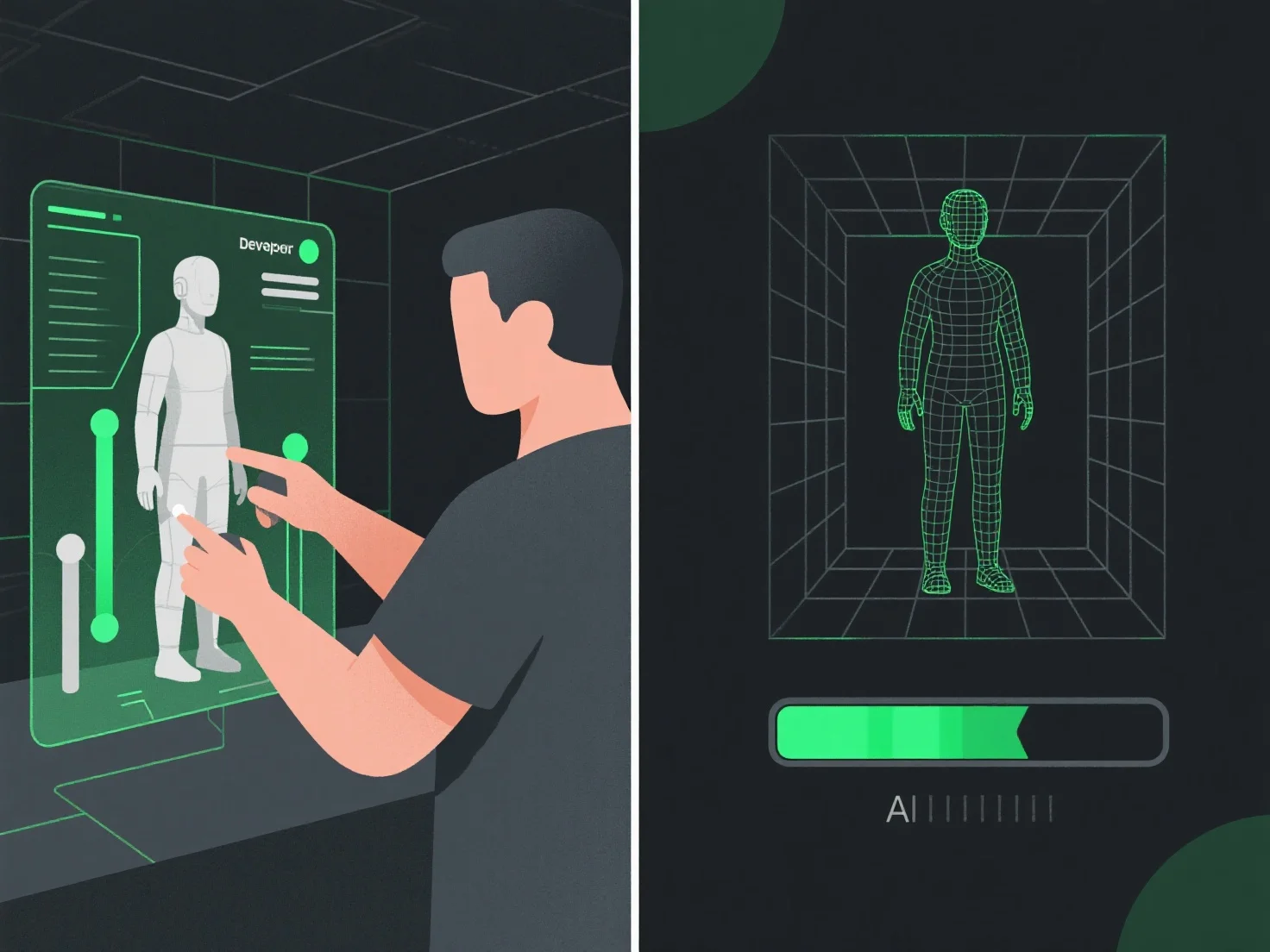
Les moteurs en temps réel et les pipelines de rendu traditionnels dans la production 3D diffèrent principalement en termes de vitesse, d'interactivité et de cas d'utilisation. Les moteurs en temps réel privilégient la rétroaction visuelle instantanée et l'interactivité, tandis que les pipelines traditionnels se concentrent sur le rendu hors ligne de haute qualité.
Les moteurs en temps réel traitent les données 3D en quelques millisecondes pour générer des visuels à la volée, permettant des ajustements immédiats et une interaction avec l'utilisateur, par exemple dans les jeux ou la réalité augmentée/virtuelle. En revanche, les pipelines traditionnels utilisent des algorithmes complexes sur de longues périodes pour produire du contenu photoréaliste, statique ou pré-rendu, courant dans les films ou les visualisations architecturales.
Les principales différences entre les cas d'utilisation : - Moteurs en temps réel : développement de jeux, simulations interactives, événements en direct (nécessitant un rendu instantané). - Pipelines traditionnels : films d'animation, visualisations de produits haut de gamme (donnant la priorité aux détails plutôt qu'à la vitesse).
En bref, choisissez des moteurs en temps réel pour une itération rapide ou des expériences interactives ; des pipelines traditionnels pour des rendus finaux détaillés et non interactifs.