


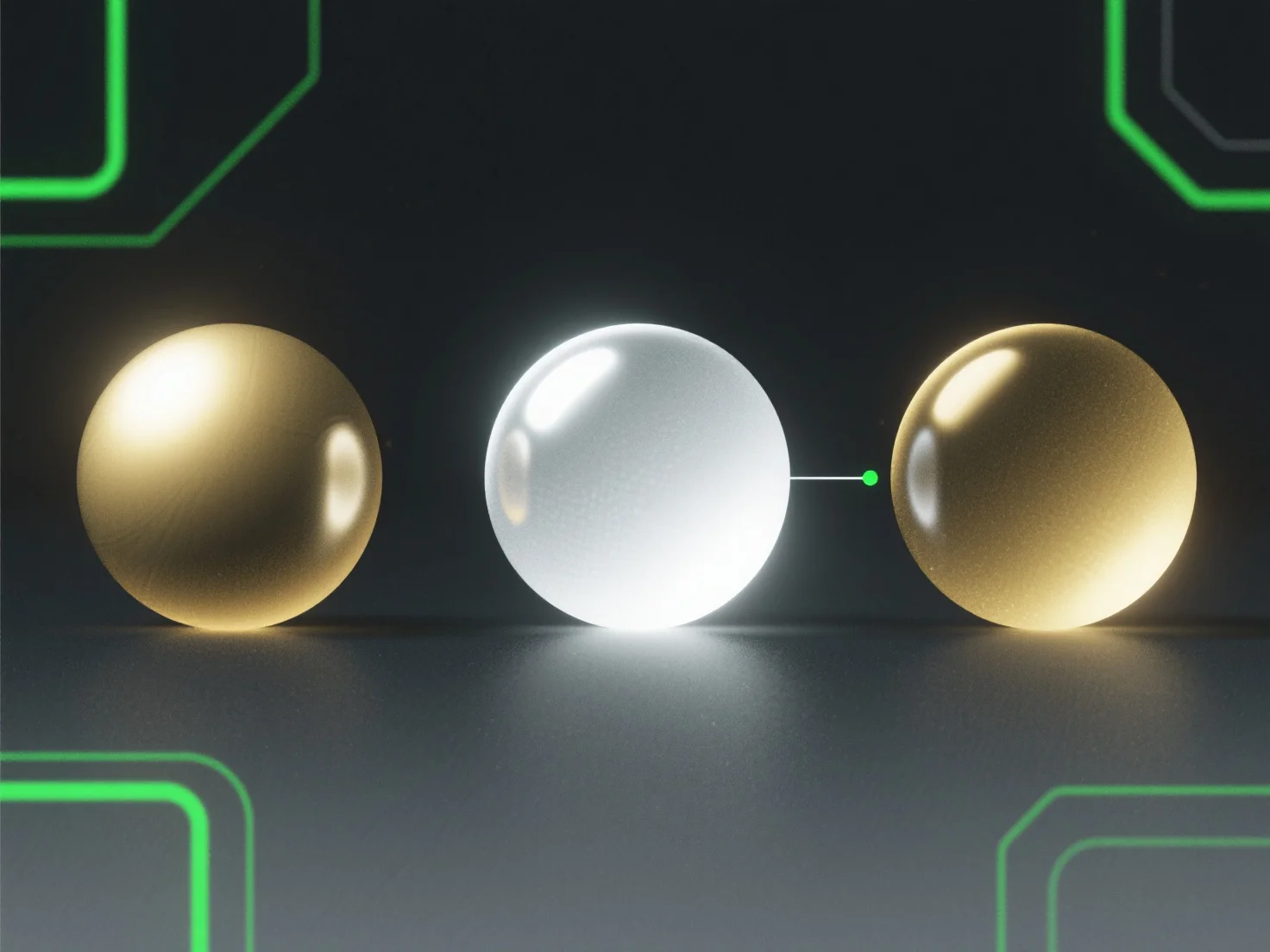
En el diseño 3D, los materiales difusos, especulares y ambientales difieren principalmente en el comportamiento de reflexión de la luz, lo que da forma directamente al acabado visual de una superficie.
- Materiales difusos: Dispersan la luz de manera uniforme en todas las direcciones, creando una apariencia mate y no brillante (por ejemplo, cartón, tela). - Materiales especulares: Reflejan la luz en haces enfocados y direccionales, produciendo brillos intensos (por ejemplo, acero pulido, vidrio). - Materiales ambientales: Simulan luz indirecta y no direccional, añadiendo brillo de base a las superficies incluso sin iluminación directa.
Al ajustar los materiales, alinea con el efecto deseado: las superficies mate utilizan difusión, las brillantes dependen de especular, y el brillo base consistente depende de las propiedades ambientales.