


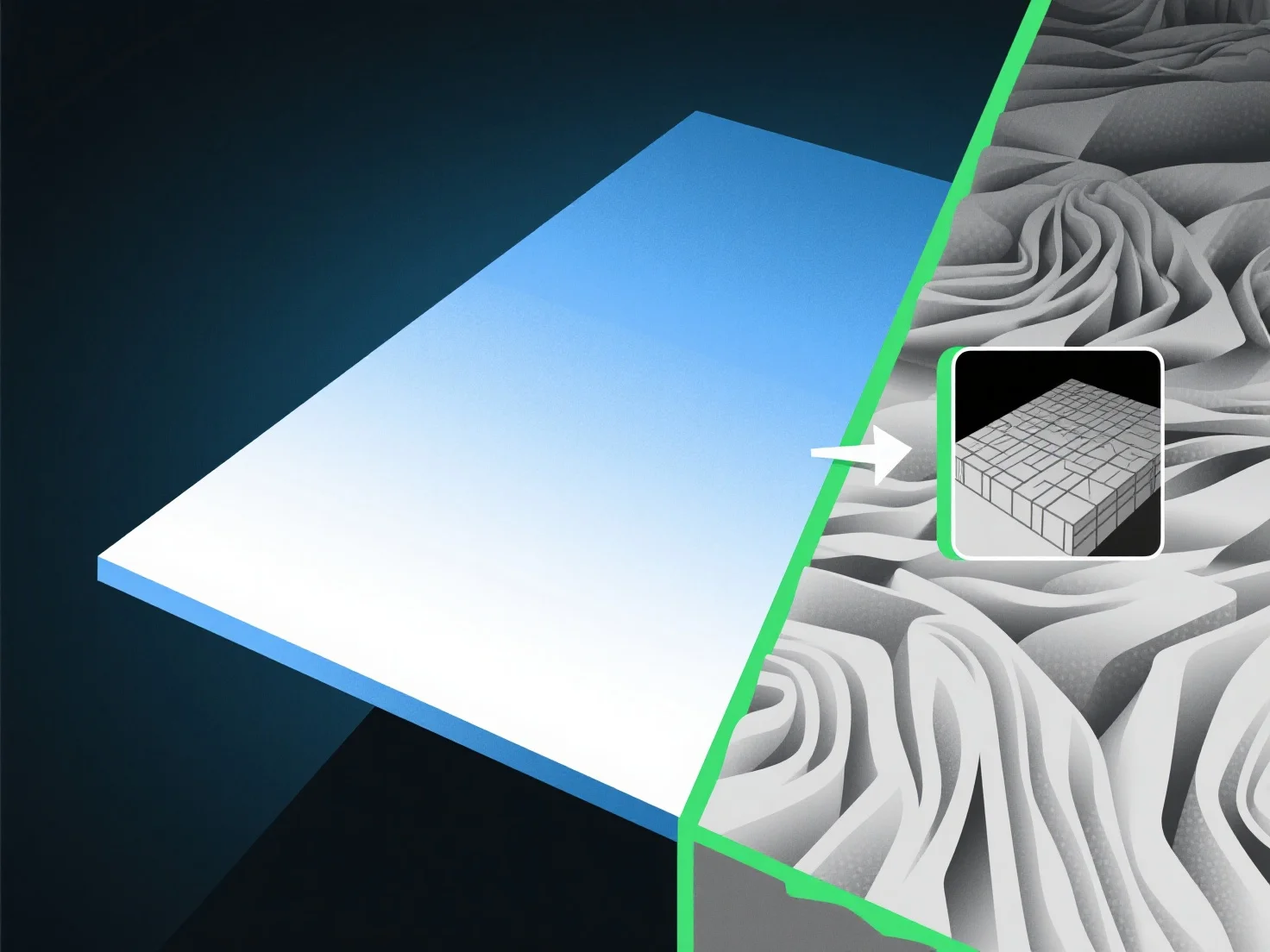
El mapeo de desplazamiento en texturización 3D modifica la geometría de la superficie de un modelo desplazando los vértices en función de una textura en escala de grises, creando una profundidad física real.
- **Función principal**: Añade relieve superficial tangible, haciendo que las texturas sean físicamente precisas en lugar de solo visualmente convincentes. - **Aplicaciones típicas**: Se utiliza para terrenos, rocas o materiales orgánicos en juegos, películas y visualización de productos para aumentar el realismo y la inmersión. - **Consideración clave**: Requiere un mayor número de polígonos para garantizar que las superficies desplazadas aparezcan suaves, a diferencia del mapeo normal que funciona en modelos con menos polígonos.