


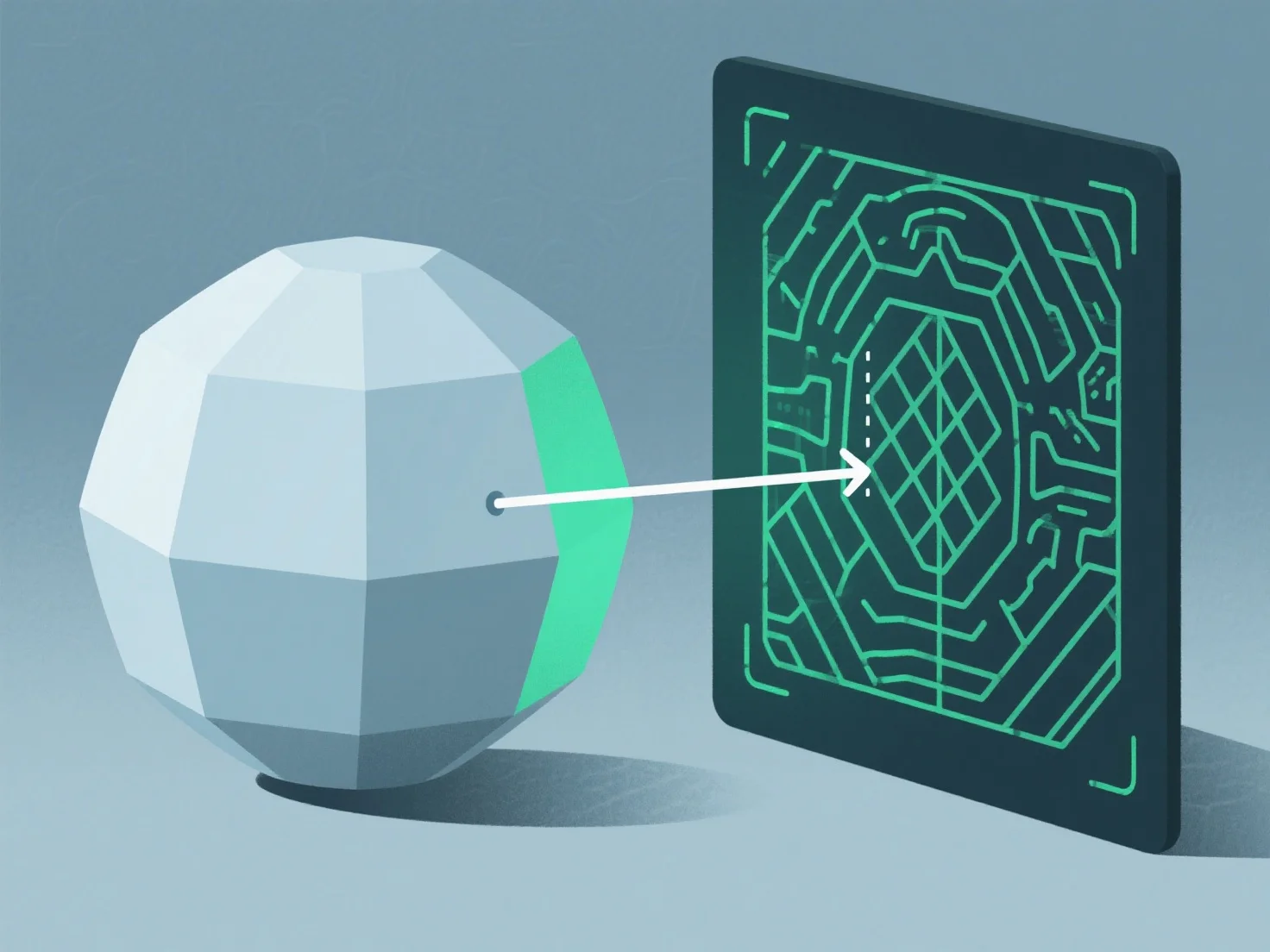
El mapeo UV es fundamental para la apariencia final de los modelos 3D, ya que define cómo se proyectan con precisión las texturas 2D sobre las superficies 3D, actuando como un puente entre las imágenes de texturas 2D y la geometría 3D.
- Evita la distorsión: Asegura que las texturas (por ejemplo, patrones, logotipos) no se estiren ni difuminen, manteniendo las proporciones naturales y el realismo. - Alinea los detalles: Hace coincidir los elementos de la textura con la forma del modelo, como los tejidos de la ropa o los granos de la superficie de los productos, para una colocación precisa de los detalles. - Mejora la consistencia: Crea una aplicación uniforme de la textura en todo el modelo, evitando costuras desparejas y haciendo que los renders se vean pulidos.
En resumen, un mapeo UV adecuado garantiza que las texturas se ajusten de forma natural, evitando distorsiones y alineando los detalles, lo cual es clave para una apariencia final realista y visualmente coherente de los modelos 3D.