


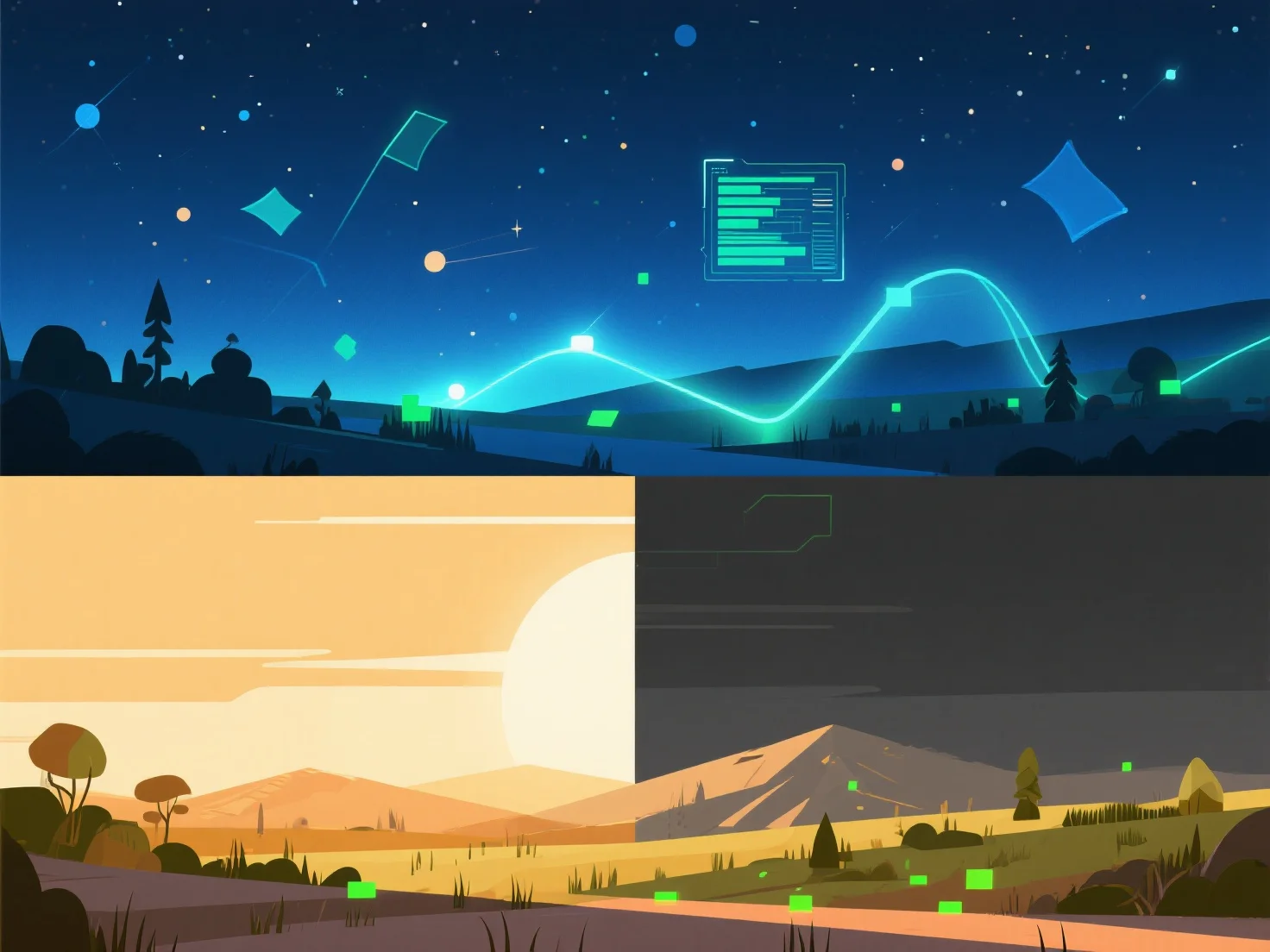
La renderización en tiempo real admite cambios dinámicos en tiempo de ejecución en los juegos al procesar y renderizar instantáneamente los datos visuales actualizados a medida que ocurren eventos en el juego, lo que garantiza imágenes visuales fluidas e interactivas.
Lo logra a través de mecanismos clave: - **Actualizaciones continuas de datos**: Ajusta dinámicamente los modelos 3D, las texturas, la iluminación y las perspectivas de la cámara en respuesta a las entradas del jugador (por ejemplo, movimiento del personaje), simulaciones físicas (por ejemplo, colisiones de objetos) o desencadenantes ambientales (por ejemplo, cambios climáticos). - **Renderizado fotograma a fotograma**: Procesa y emite imágenes a altas velocidades de fotogramas (30-60 FPS), eliminando el retraso para hacer que los cambios dinámicos, como el clima en tiempo real o las interacciones de los objetos, sean visualmente inmediatos.
Esta respuesta instantánea ofrece ajustes visuales perfectos y realistas durante el juego.