


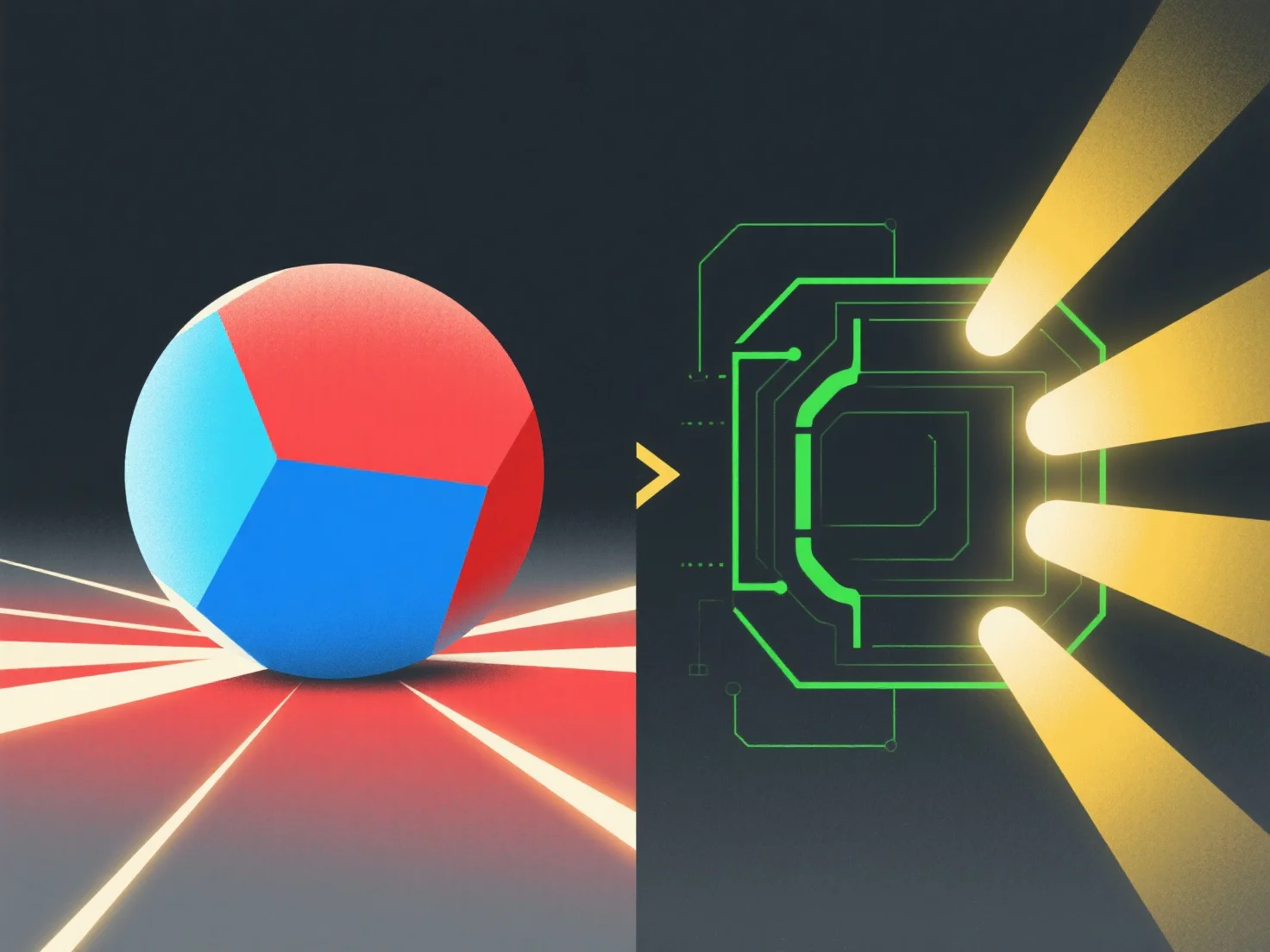
La renderización en tiempo real simplifica los cálculos de la fuente de luz para priorizar la velocidad, mientras que los renderizadores fuera de línea utilizan simulaciones complejas y físicamente precisas para lograr una mayor calidad.
La renderización en tiempo real a menudo emplea técnicas aproximadas como mapas de sombras o oclusión ambiental para reducir la carga computacional, lo que permite una retroalimentación visual instantánea en aplicaciones como los videojuegos. Por el contrario, los renderizadores fuera de línea utilizan métodos como el trazado de ruta o la iluminación global para simular con precisión los rebotes e interacciones de la luz, lo que resulta en una iluminación más realista, pero requiere tiempos de renderización más largos, comunes en la creación de imágenes generadas por computadora para películas o en la visualización arquitectónica.
Para previsualizaciones rápidas o experiencias interactivas, el renderizado en tiempo real es ideal; para efectos de iluminación detallados y de alta fidelidad, el renderizado fuera de línea es más adecuado.