


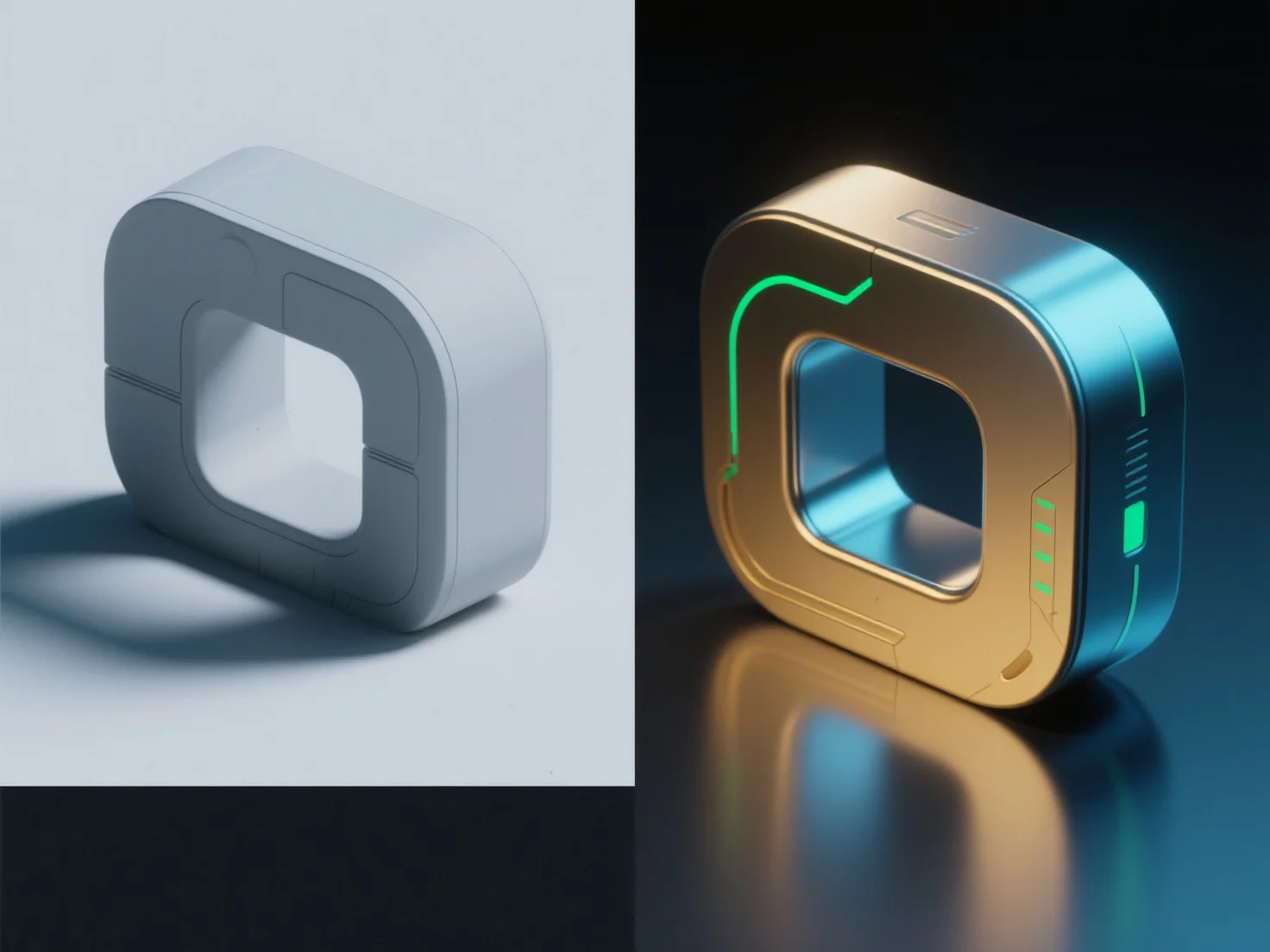
En términos de estándares de calidad, el trazado de rayos en tiempo real generalmente logra una iluminación más realista y un realismo de materiales superior al del renderizado tradicional.
- El trazado de rayos en tiempo real simula el comportamiento de la luz al rastrear rayos individuales, lo que permite reflejos precisos, refracciones, sombras suaves e iluminación global. Detalles clave para escenas realistas. - Renderizado tradicional.
Para aplicaciones interactivas como juegos o realidad virtual, probar demostraciones de trazado de rayos en tiempo real ayuda a comparar visualmente su superior precisión de iluminación con los métodos tradicionales.