


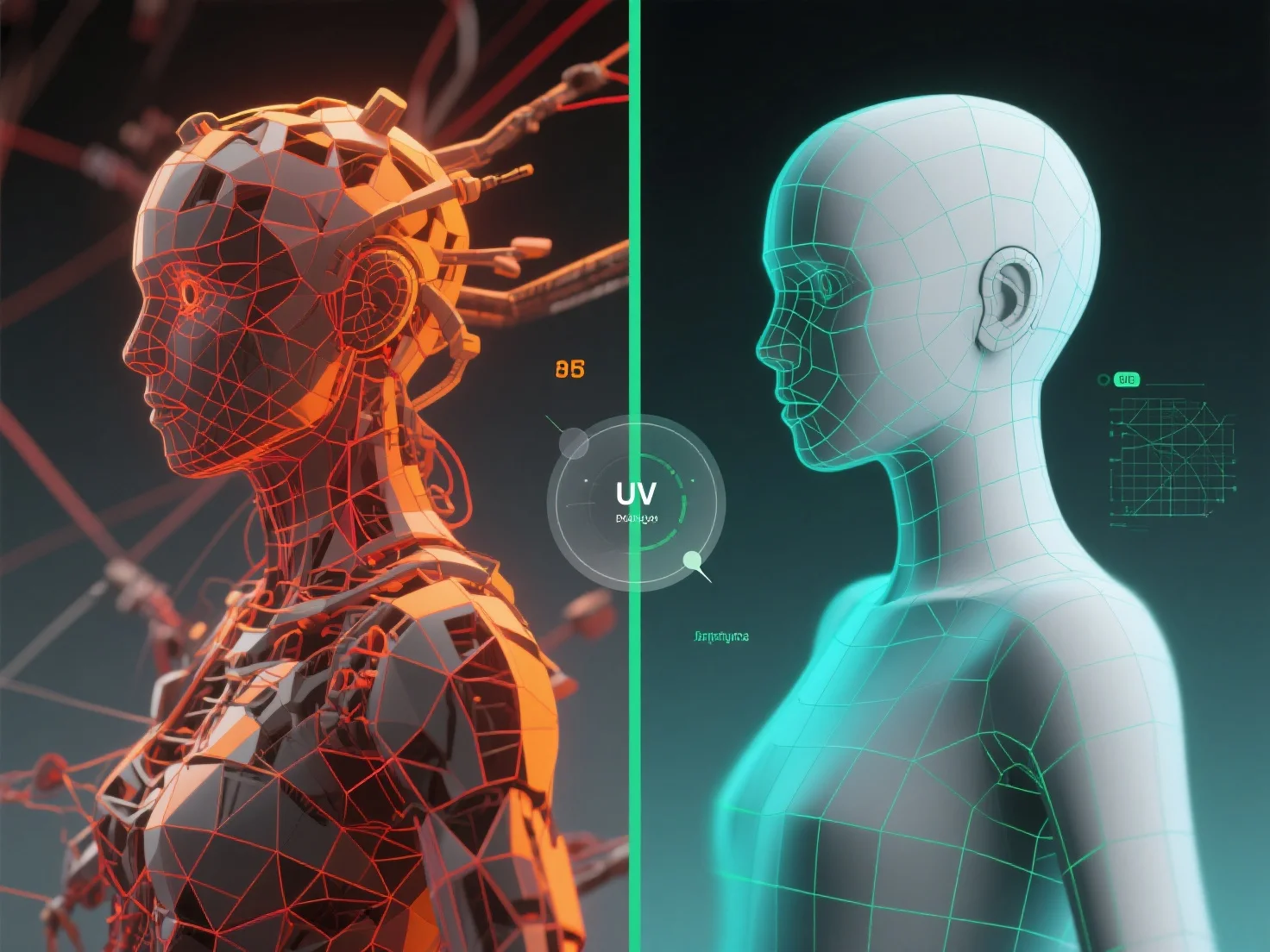
Para optimizar los diseños 3D para el renderizado en tiempo real, los modeladores se centran en reducir el número de polígonos, optimizar el tamaño de las texturas y simplificar los materiales para equilibrar la calidad visual con el rendimiento del renderizado.
Las técnicas clave incluyen: - **Retopología**: Eliminar polígonos redundantes para reducir la complejidad de la malla sin perder detalles fundamentales. - **Compresión de texturas**: Utilizar formatos como BCn o JPEG para reducir el tamaño del archivo y el uso de memoria de la GPU. - **Nivel de detalle (LOD)**: Ajustar el detalle del modelo en función de la distancia de la cámara. Versiones más simples para objetos distantes que reducen la carga de renderizado.
Definiendo las restricciones de hardware del objetivo.