


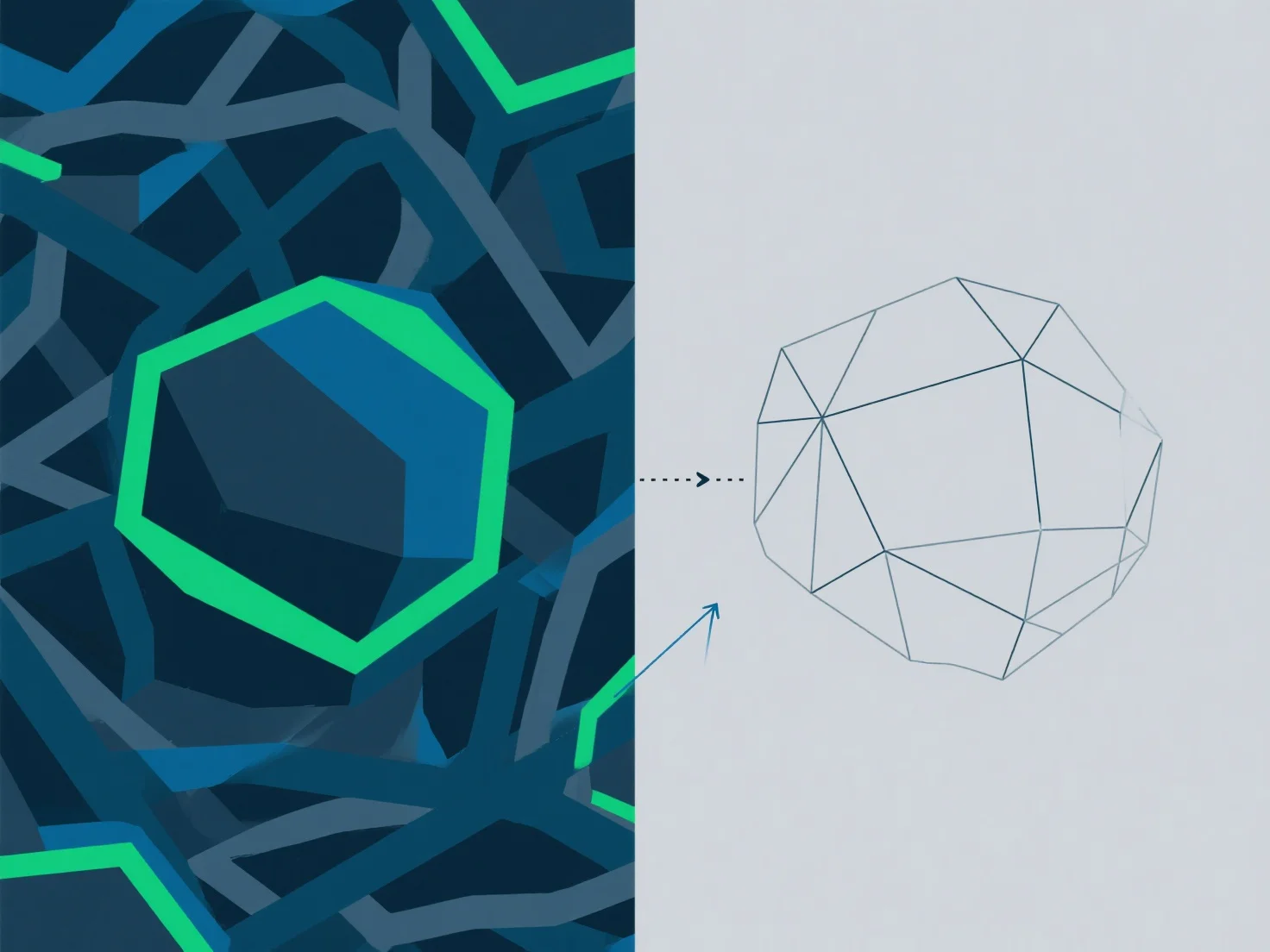
Manipular formas complejas con una topología adecuada implica dividir la forma en subpartes manejables, alinear el flujo de los bordes con los contornos naturales y mantener bucles de bordes limpios y espaciados uniformemente para permitir una deformación y renderizado suaves.
- **Descomponer la forma**: Dividir en componentes más simples (por ejemplo, separar partes del cuerpo, superficies curvas) para reducir la complejidad y simplificar el control de la topología. - **Alinear el flujo de bordes**: Seguir las curvas naturales del objeto (por ejemplo, líneas musculares, transiciones de superficie) para garantizar que los bordes soporten la deformación deseada y eviten la distorsión. - **Optimizar los polígonos**: Usar retopología para minimizar los triángulos/n-gones, manteniendo el espaciado de los bordes uniforme para una renderización consistente y flexibilidad de edición. - **Comenzar con baja poligonalidad**: Construir una malla base primero, agregar detalles gradualmente y verificar problemas de no-manifiesto.
Estos pasos aseguran que la topología sea estructuralmente sólida y esté optimizada para flujos de trabajo posteriores, como la animación o la impresión en 3D.