


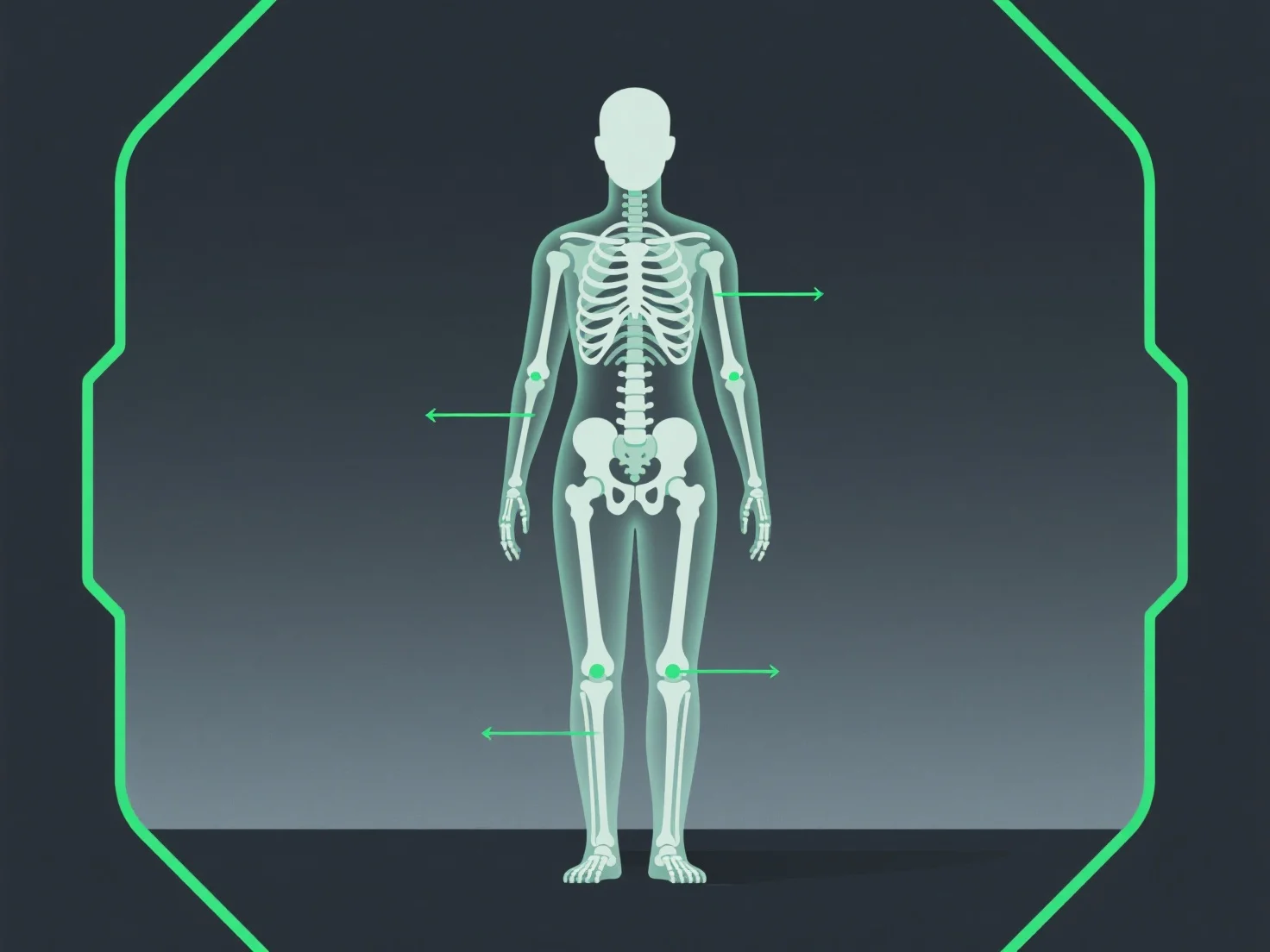
Los rigs y los huesos contribuyen a la animación de personajes en 3D al formar un sistema de control jerárquico que vincula la malla del modelo con una estructura esquelética subyacente, lo que permite una manipulación de movimiento precisa y realista.
Los huesos replican el esqueleto del personaje, con articulaciones.
Los rigs actúan como la interfaz del animador, traduciendo los ajustes de los huesos en movimiento de la malla. Cuando se mueve un hueso, la malla adjunta lo sigue, lo que permite crear animaciones fluidas (caminar, gesticular, expresiones faciales) controlando los puntos clave del esqueleto.