


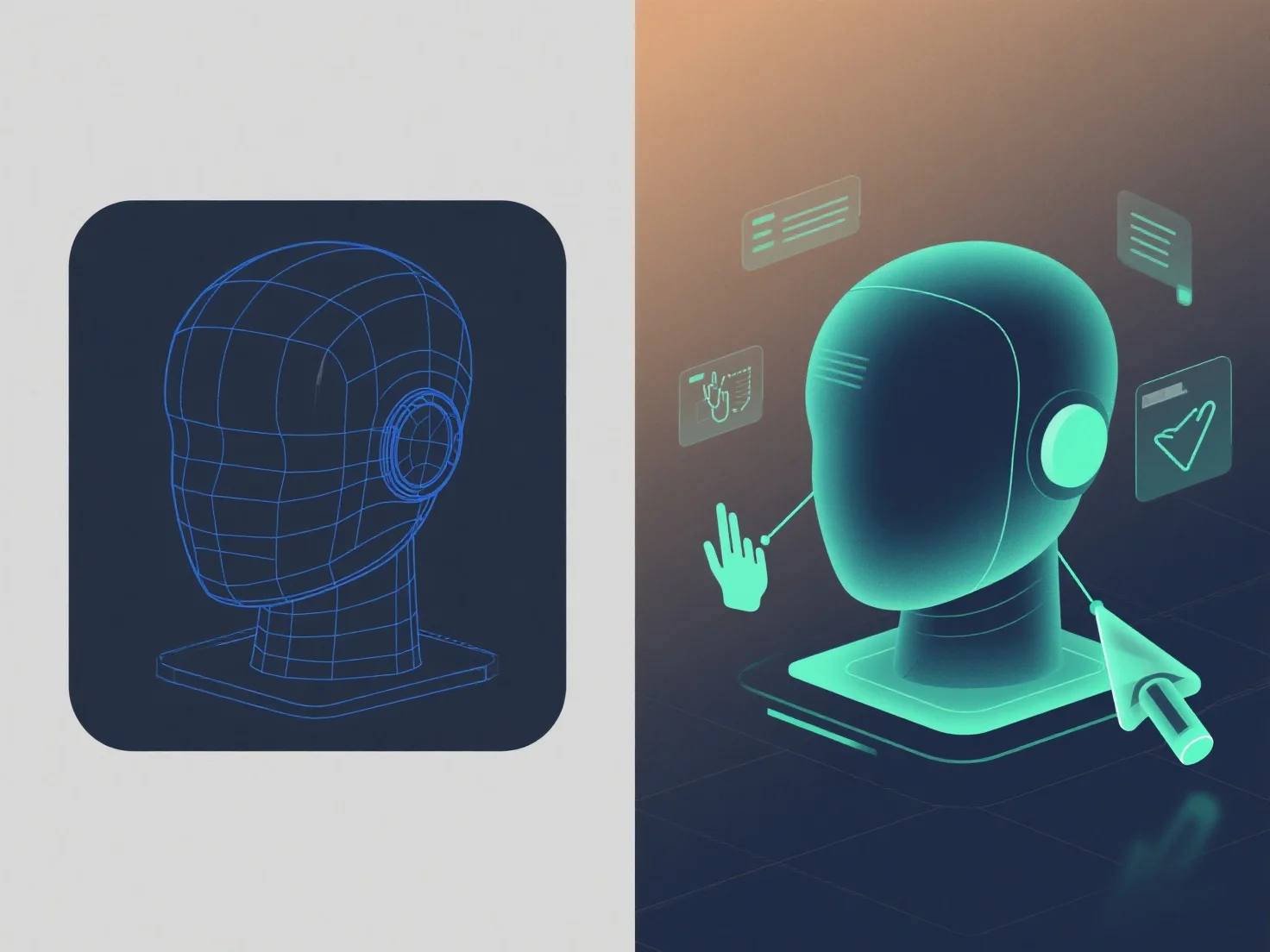
En los escenarios de aprendizaje, los modelos 3D interactivos generalmente superan a los estáticos al ofrecer experiencias más atractivas y prácticas que mejoran la comprensión y la retención.
A diferencia de los modelos estáticos, que presentan vistas fijas y unidimensionales, los modelos 3D interactivos permiten a los estudiantes manipular activamente, rotar, hacer zoom o "diseccionar" elementos para explorar detalles desde múltiples ángulos, fomentando una participación más profunda.
Ellos sobresalen en aclarar relaciones espaciales complejas.
Los modelos interactivos también mejoran la retención: la exploración activa crea experiencias más memorables que la visualización pasiva de modelos estáticos.
En general, aunque los modelos estáticos ayudan en las demostraciones básicas, los modelos 3D interactivos impulsan un aprendizaje inmersivo y dinámico, lo que los convierte en una herramienta clave para la educación moderna.