


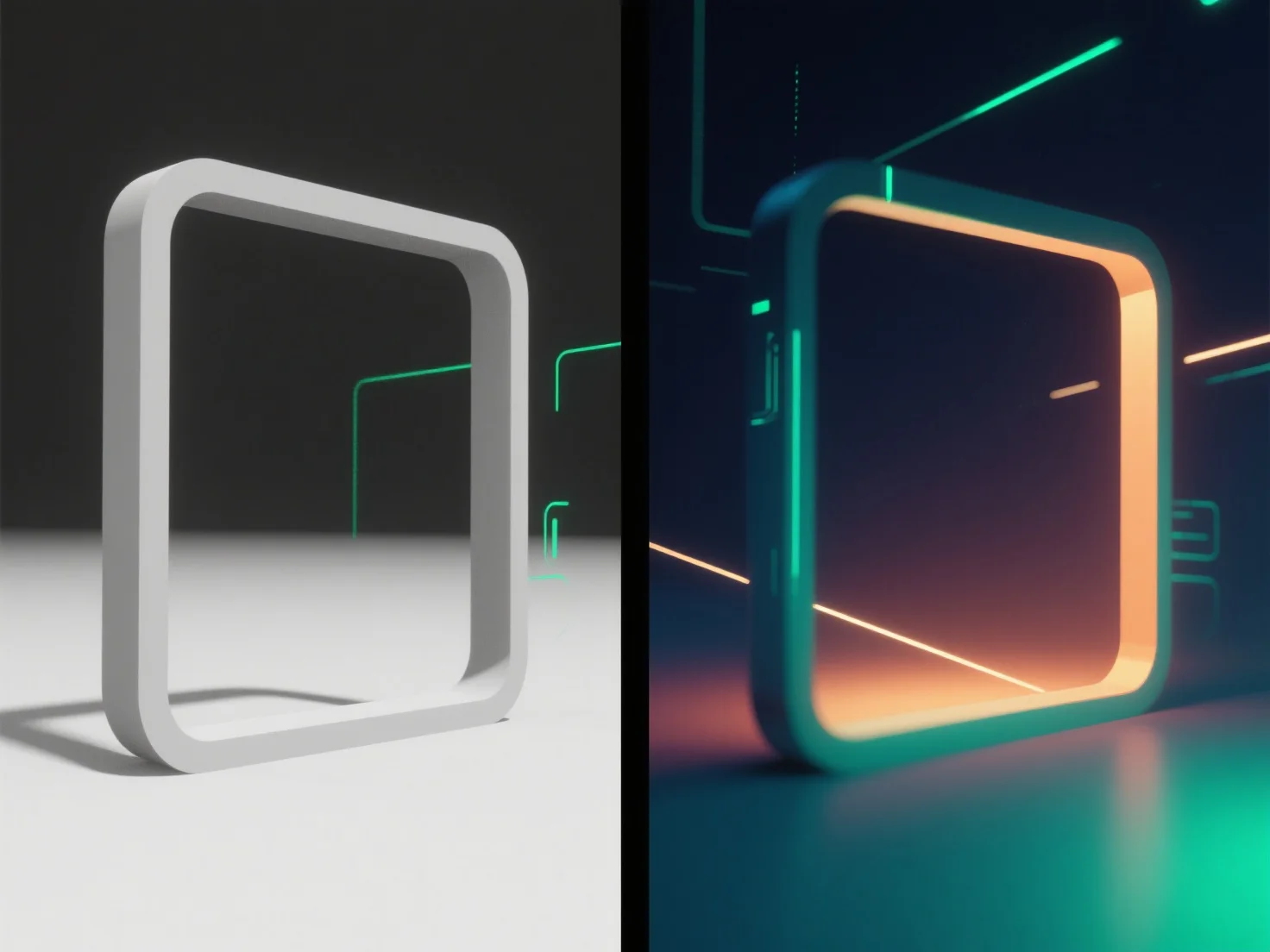
Nachbearbeitungseffekte in Echtzeit-Rendering verbessern hauptsächlich die visuelle Qualität und den Realismus, indem Bildanpassungen nach dem ersten Rendern vorgenommen werden, um reale visuelle Phänomene wie Bewegungsunschärfe, Blooming oder Farbkorrektur zu simulieren und Szenen immersiver zu machen.
Wichtige Anwendungen in verschiedenen Branchen umfassen: - Videospiele: Hinzufügen von filmischen Effekten (z. B. Tiefenschärfe, Linsenflare), um das Eintauchen in das Spiel zu verbessern. - AR/VR: Verwendung von Farbkorrektur und Antialiasing, um virtuelle Objekte mit der realen Umgebung in Einklang zu bringen und den Realismus zu verbessern. - Echtzeit-Simulationen: Anwendung von Ambient Occlusion, um Objektdetails in Trainings- oder Designvorschauen hervorzuheben und die visuelle Klarheit zu verbessern.
Für Anfänger hilft es, mit grundlegenden Effekten wie Blooming oder Kontrasteinstellung zu beginnen, um deren Auswirkungen auf die endgültige visuelle Präsentation intuitiv zu verstehen.