


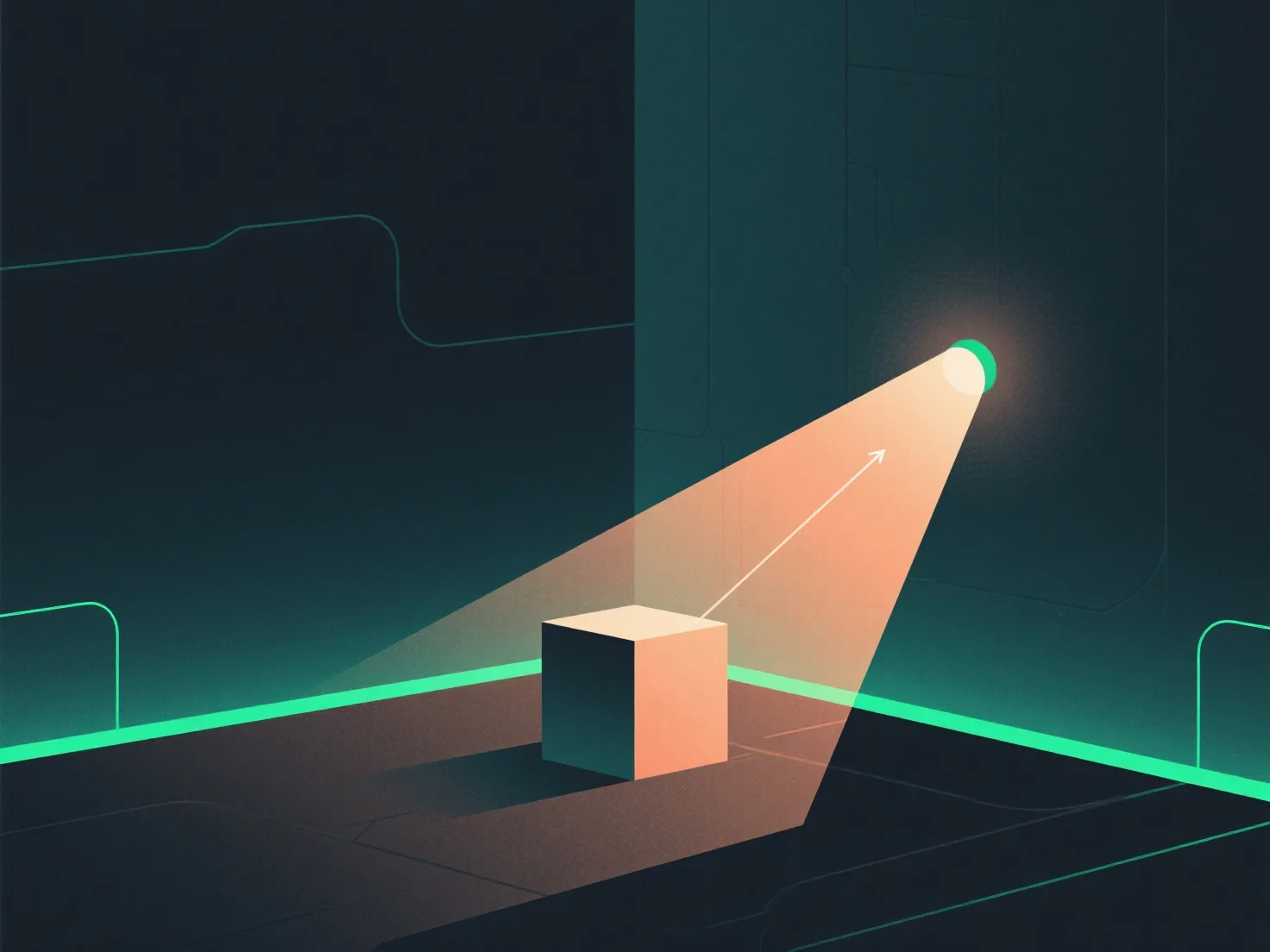
Radiosity ist eine Rendering-Technik, die die diffuse Lichtinterreflexion zwischen Oberflächen simuliert und die realistische globale Beleuchtung in 3D-Szenen verbessert, indem sie die Emission, Reflexion und Absorption von Lichtenergie berechnet. Sie ist der Schlüssel zum Erfassen von indirekter Beleuchtung, die bei einfacheren lokalen Beleuchtungsmethoden oft fehlt.
- **Hauptschwerpunkt**: Im Gegensatz zu Techniken, die nur direktes Licht modellieren, betont Radiosity indirektes Licht: wie Licht zwischen Oberflächen reflektiert wird und weiche Schatten, Farbverläufe und natürliche Beleuchtungsgradiente erzeugt. - **Ideal für statische Szenen**: Es zeichnet sich in Umgebungen wie der Innenarchitektur aus, wo komplexe Lichtinteraktionen existieren, die Szene aber stationär ist. Obwohl die Berechnungen aufwändig sind, liefern sie konsistente, lebensechte Ergebnisse. - **Erhöht die Realistik der Renderings**: Indem es die globale Beleuchtung (Lichtverhalten in der gesamten Szene) berücksichtigt, hebt Radiosity die Qualität der gerenderten Bilder über lokale Methoden hinaus und lässt Szenen authentischer wirken.
Kurz gesagt, bereichert Radiosity das Rendering, indem es realistische Lichtinterreflexion simuliert, was für statische Szenen, die eine lebensechte globale Beleuchtung benötigen, von entscheidender Bedeutung ist.