


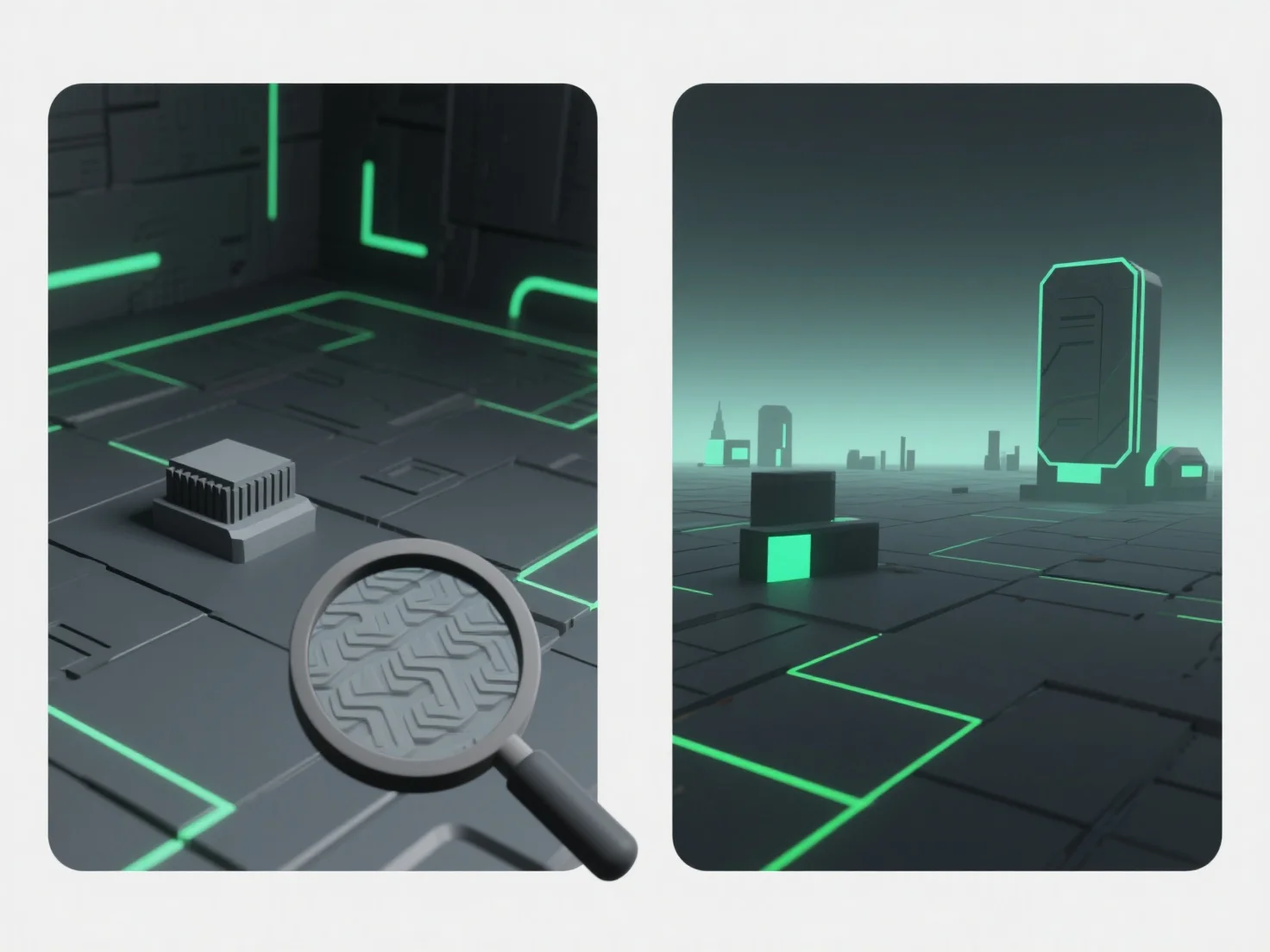
Best Practices für die Texturoptimierung in 3D-Spielen konzentrieren sich auf die Balance zwischen visueller Qualität und Leistung durch Mipmapping, Auflösungsskalierung, Komprimierung, Texturatlanten und ressourcenschonendem Design.
- **Mipmapping**: Generiert Texturversionen mit niedrigerer Auflösung für entfernte Objekte, um Aliasing und Speicherverbrauch zu reduzieren. - **Auflösungsskalierung**: Passt die Texturauflösung an die Bildschirmgröße an (z. B. 2K für kleine Requisiten statt 4K), um die Dateigröße ohne merklichen Qualitätsverlust zu reduzieren. - **GPU-freundliche Komprimierung**: Verwenden Sie Formate wie BC1/BC3, um die Speicherlast zu reduzieren und gleichzeitig die visuelle Integrität zu erhalten. - **Texturen Atlanten**: Kombinieren Sie mehrere Texturen in einer einzigen Datei, um Draw Calls zu reduzieren und die Rendering-Effizienz zu verbessern. - **Opake Texturen**: Vermeiden Sie nach Möglichkeit unnötige Alpha-Kanäle, da diese den Speicher- und Verarbeitungsbedarf erhöhen. - **Niedrigere Bit-Tiefen**: Verwenden Sie für nicht kritische Texturen 24-Bit anstelle von 32-Bit, um die Dateigröße zu reduzieren, ohne die visuelle Qualität zu beeinträchtigen.