


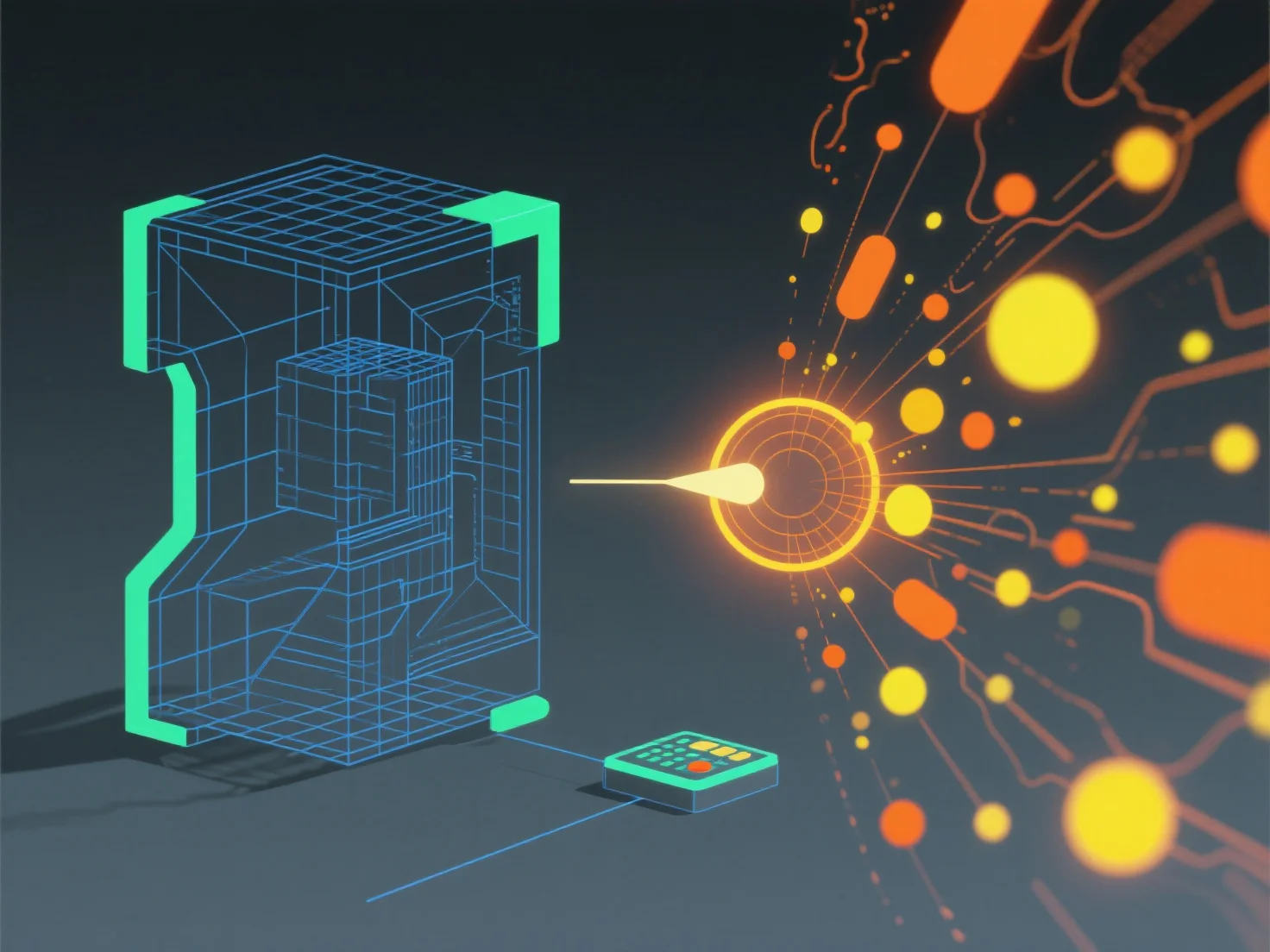
Die 3D-Modellierung in Simulationsumgebungen wird durch die Erstellung digitaler Repliken von Objekten oder Szenen mit genauen physikalischen, räumlichen oder verhaltensbezogenen Attributen umgesetzt, um realistische Interaktionen zu ermöglichen.
Zunächst definieren Sie die zentralen visuellen Elemente: Geometrie (Formen, Dimensionen) und Texturen (Farben, Materialien), um das Aussehen zu replizieren und sicherzustellen, dass das Modell visuell mit seinen realen Gegenstücken übereinstimmt.
Als nächstes stellen Sie physikalische Parameter ein, wie z. B. Masse, Reibung oder Kollisionsregeln, um das Verhalten in der realen Welt nachzuahmen. So bewegen sich Objekte, kollidieren oder reagieren authentisch.
Dann integrieren Sie diese Modelle in Simulationsplattformen.
Dieser Prozess unterstützt Szenarien wie die Schulung virtueller Maschinen, Katastrophenübungen oder die Validierung von Produktprototypen und bietet dynamische, realistische Simulationserlebnisse.