


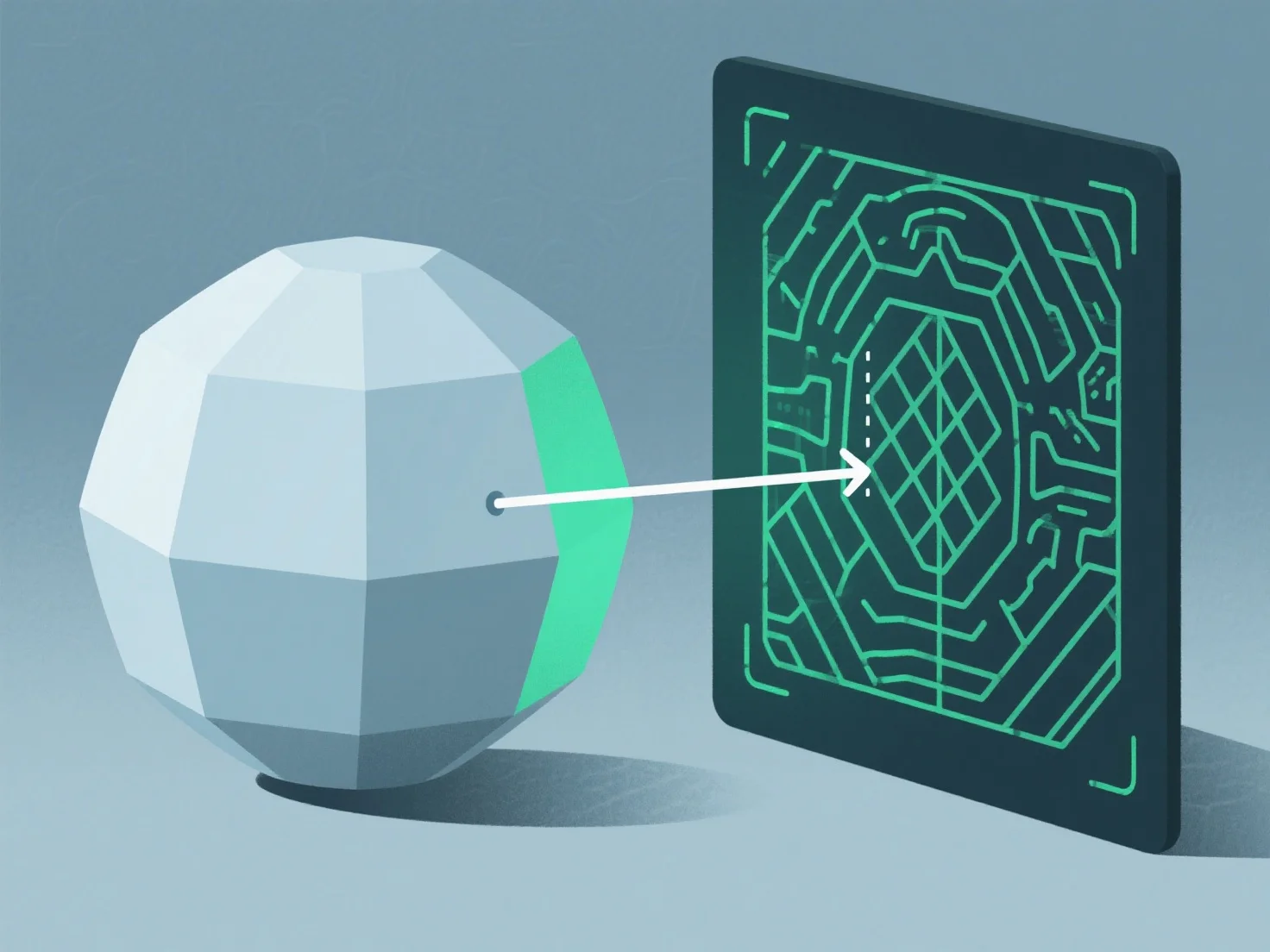
Das UV-Mapping ist für das endgültige Aussehen von 3D-Modellen von entscheidender Bedeutung, da es definiert, wie 2D-Texturen präzise auf 3D-Oberflächen projiziert werden, und als Brücke zwischen 2D-Texturenbildern und 3D-Geometrie fungiert.
- Verhindert Verzerrungen: Es stellt sicher, dass Texturen (z. B. Muster, Logos) nicht gestreckt oder verschwommen werden, und behält dabei natürliche Proportionen und Realismus bei. - Richtet Details aus: Es passt Texturelemente an die Form des Modells an, wie z. B. Stoffgewebe auf Kleidung oder Oberflächenmuster auf Produkten, um eine präzise Platzierung der Details zu gewährleisten. - Verbessert die Konsistenz: Es sorgt für eine einheitliche Texturanwendung auf dem gesamten Modell, vermeidet unpassende Nähte und lässt Renderings poliert aussehen.
Kurz gesagt, sorgt eine korrekte UV-Mapping dafür, dass Texturen natürlich passen, Verzerrungen vermieden werden und Details ausgerichtet sind, was für ein realistisches, visuell stimmiges Endaussehen von 3D-Modellen entscheidend ist.