


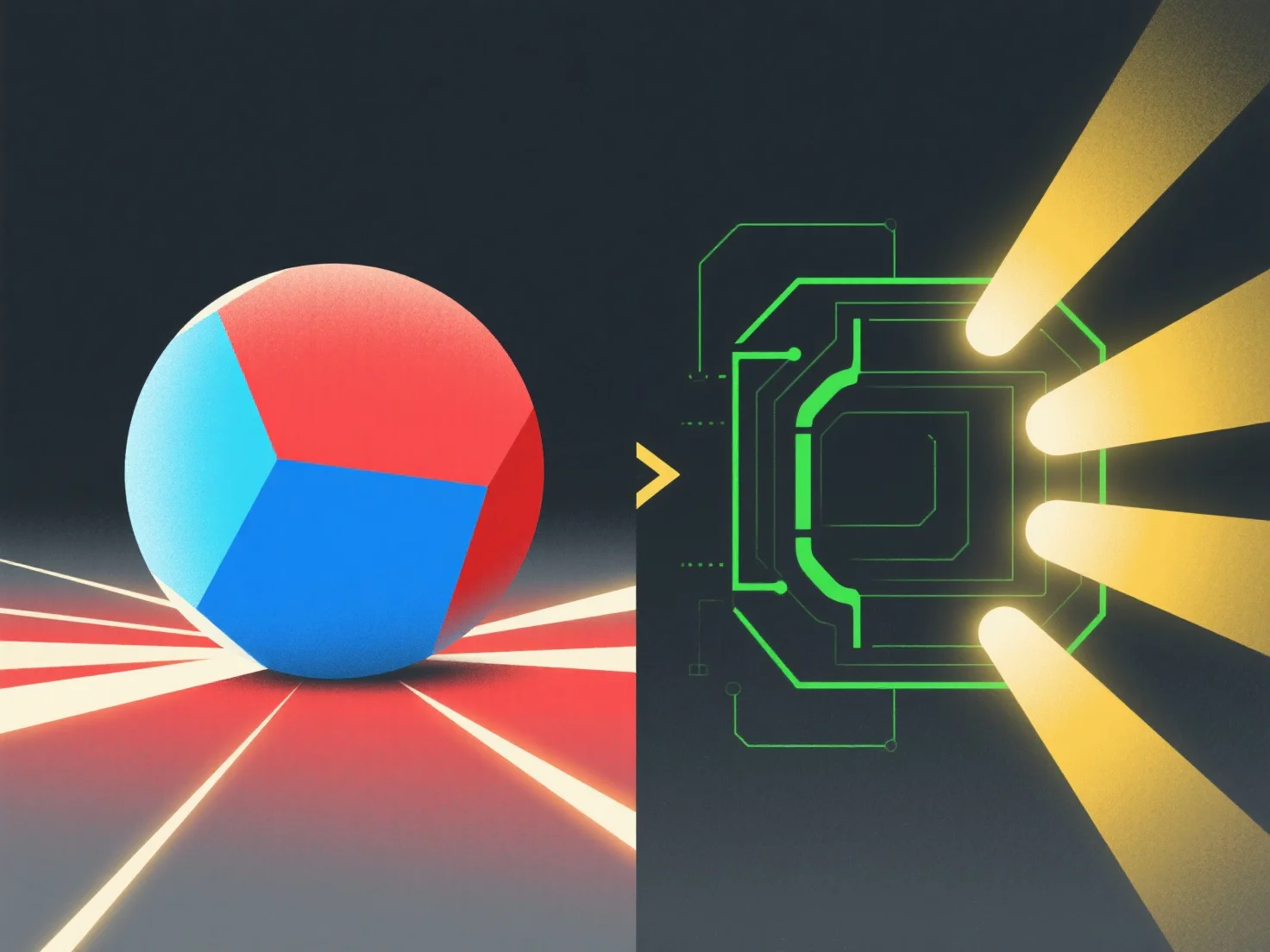
Echtzeit-Rendering vereinfacht die Berechnungen der Lichtquelle, um Geschwindigkeit zu priorisieren, während Offline-Renderer komplexe, physikalisch genaue Simulationen für eine höhere Qualität verwenden.
Echtzeit-Rendering verwendet häufig näherungsweise Techniken wie Schattenkarten oder Umgebungsokklusion, um die Rechenlast zu reduzieren und eine sofortige visuelle Rückmeldung in Anwendungen wie Videospielen zu ermöglichen. Offline-Renderer hingegen verwenden Methoden wie Path-Tracing oder Global Illumination, um Lichtreflexionen und -interaktionen genau zu simulieren, was zu realistischerer Beleuchtung führt, aber längere Renderzeiten erfordert, wie es bei Film-CGI oder Architekturvisualisierungen üblich ist.
Für schnelle Vorschauen oder interaktive Erlebnisse ist Echtzeit-Rendering ideal; für hochwertige, detaillierte Lichteffekte ist Offline-Rendering besser geeignet.