


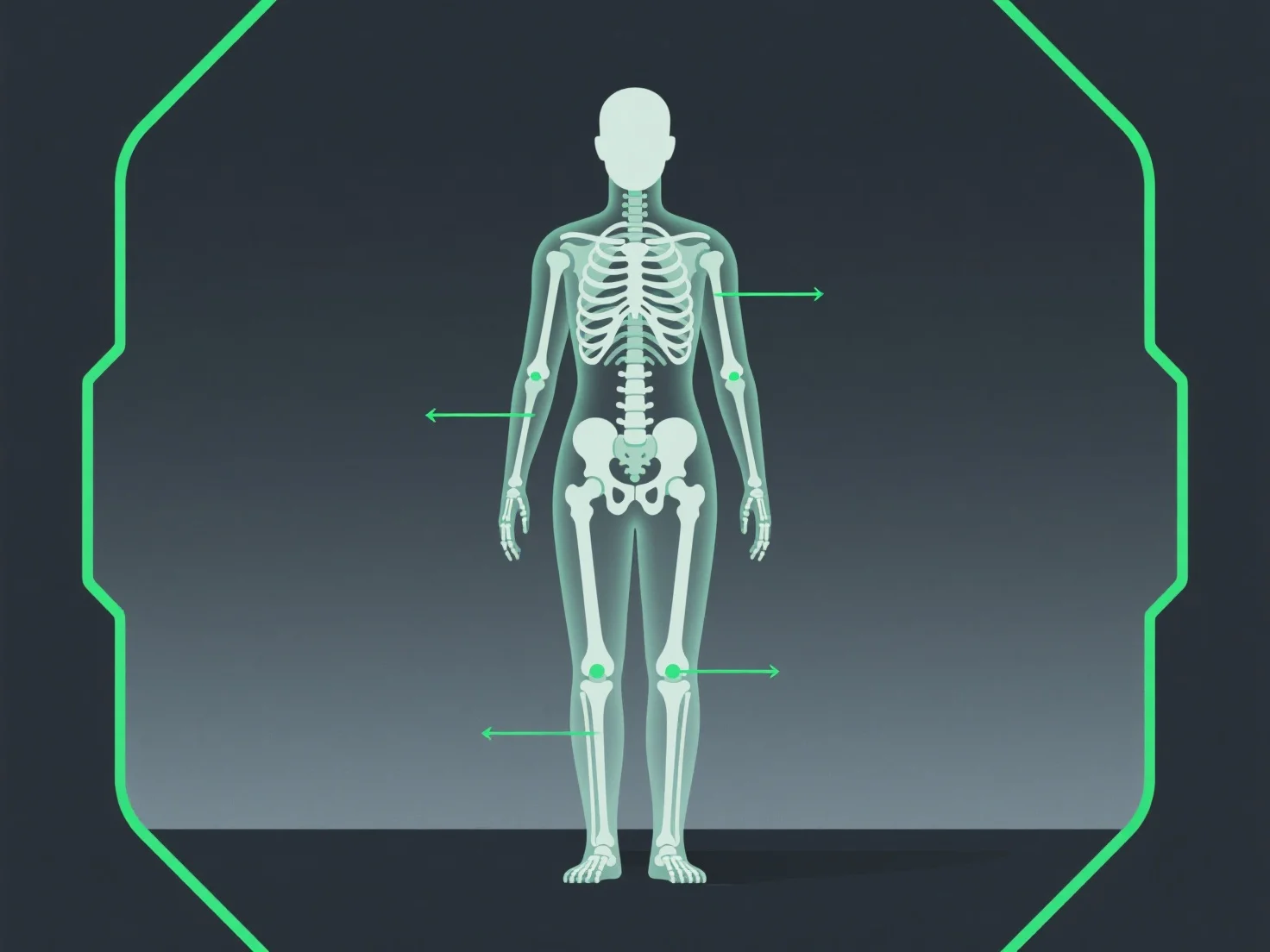
Rigs und Knochen tragen zur 3D-Charakteranimation bei, indem sie ein hierarchisches Steuerungssystem bilden, das das Mesh des Modells mit einer zugrunde liegenden Skelettstruktur verbindet und eine präzise, lebensechte Bewegungsmanipulation ermöglicht.
Knochen replizieren das Skelett des Charakters, mit Gelenken.
Rigs fungieren als Schnittstelle des Animators und übersetzen Knochenanpassungen in Mesh-Bewegungen. Wenn ein Knochen bewegt wird, folgt das angehängte Mesh, sodass es möglich ist, flüssige Animationen (Gehen, Gestikulieren, Mimik) zu erstellen, indem Schlüsselpunkte des Skeletts gesteuert werden.