Home/Hitem3D FAQ/How do reflection and refraction indices affect lighting in 3D models?

How do reflection and refraction indices affect lighting in 3D models?

Reflection and refraction indices control 3D model lighting via surface light interaction, affecting brightness, realism, and effects.

How do reflection and refraction indices affect lighting in 3D models?

Reflection and refraction indices directly impact lighting in 3D models by controlling light interaction with surfaces, shaping brightness, realism, and visual effects.

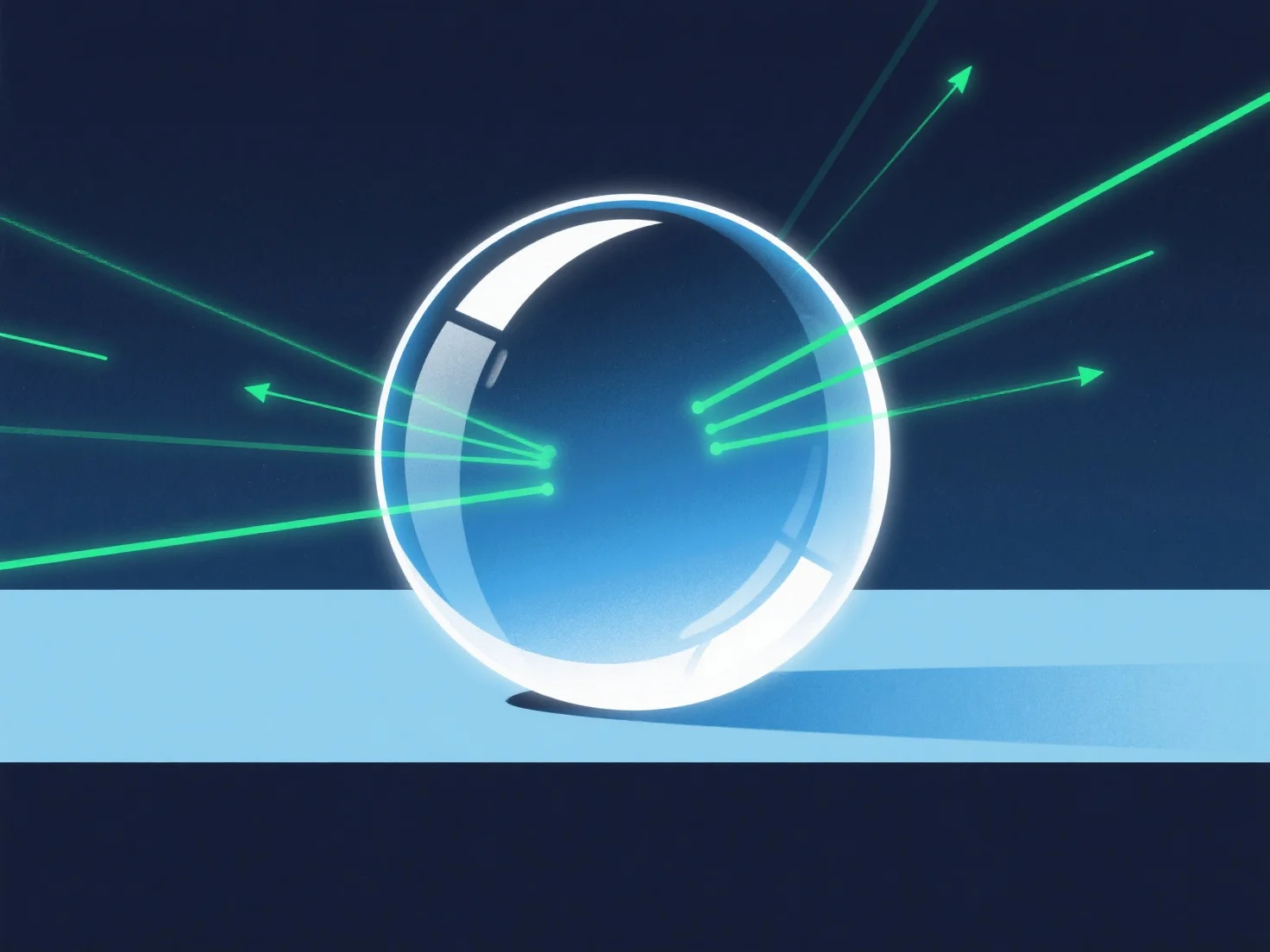
A higher reflection index increases light bounce, making surfaces shinier (e.g., metals) and intensifying reflected highlights, which brightens the model’s lit areas and enhances surface gloss.

A higher refraction index causes more light bending when passing through transparent materials (e.g., glass), altering transmitted light direction and creating distortions like those in water or gemstones.

Matching these indices to real-world values (e.g., water’s ~1.33) ensures accurate light behavior, enhancing the 3D scene’s naturalism and lighting realism.

PreviousNext
Produkt
Web Studio
API-Plattform
Funktionen
Bild zu 3D
Multi-View zu 3D
Relief
Segmentierung
Modelle
Allgemeines Modell
Porträtmodell
Ressourcen
Blog
FAQ
API-Dokumentation
Über uns
Preise