


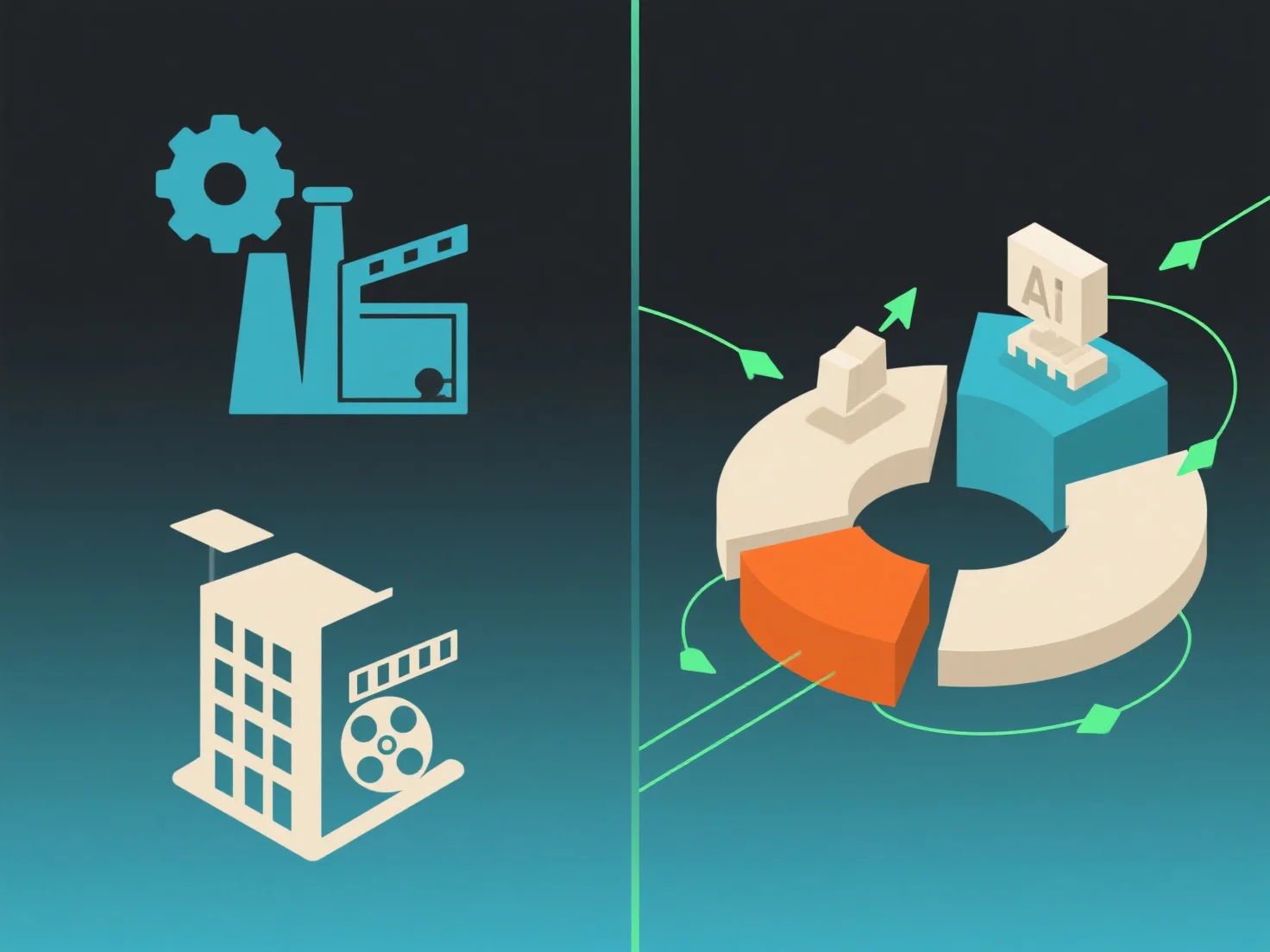
Branchenanforderungen gestalten 3D-Modellierungs-Workflows, indem sie technische Standards, Ausgabeformate und Prozessprioritäten definieren und so die Übereinstimmung mit Anwendungsszenarien sicherstellen.
Wichtige Einflussfaktoren umfassen: - **Technische Standards**: Diktieren die Anzahl der Polygone (z. B. hoch für Filme, niedrig für Echtzeitspiele) und die Texturauflösung, um Qualitäts- oder Leistungsanforderungen zu erfüllen. - **Ausgabeformate**: Spezifizieren Dateitypen (z. B. OBJ für 3D-Druck, FBX für Spiele-Engines) für die Kompatibilität mit Branchenwerkzeugen. - **Pro Prioritäten**: Leiten Kollaborationswerkzeuge.
Diese Ausrichtung stellt sicher, dass die Arbeitsabläufe Ergebnisse liefern, die sowohl technische als auch anwendungsbezogene Anforderungen erfüllen.