


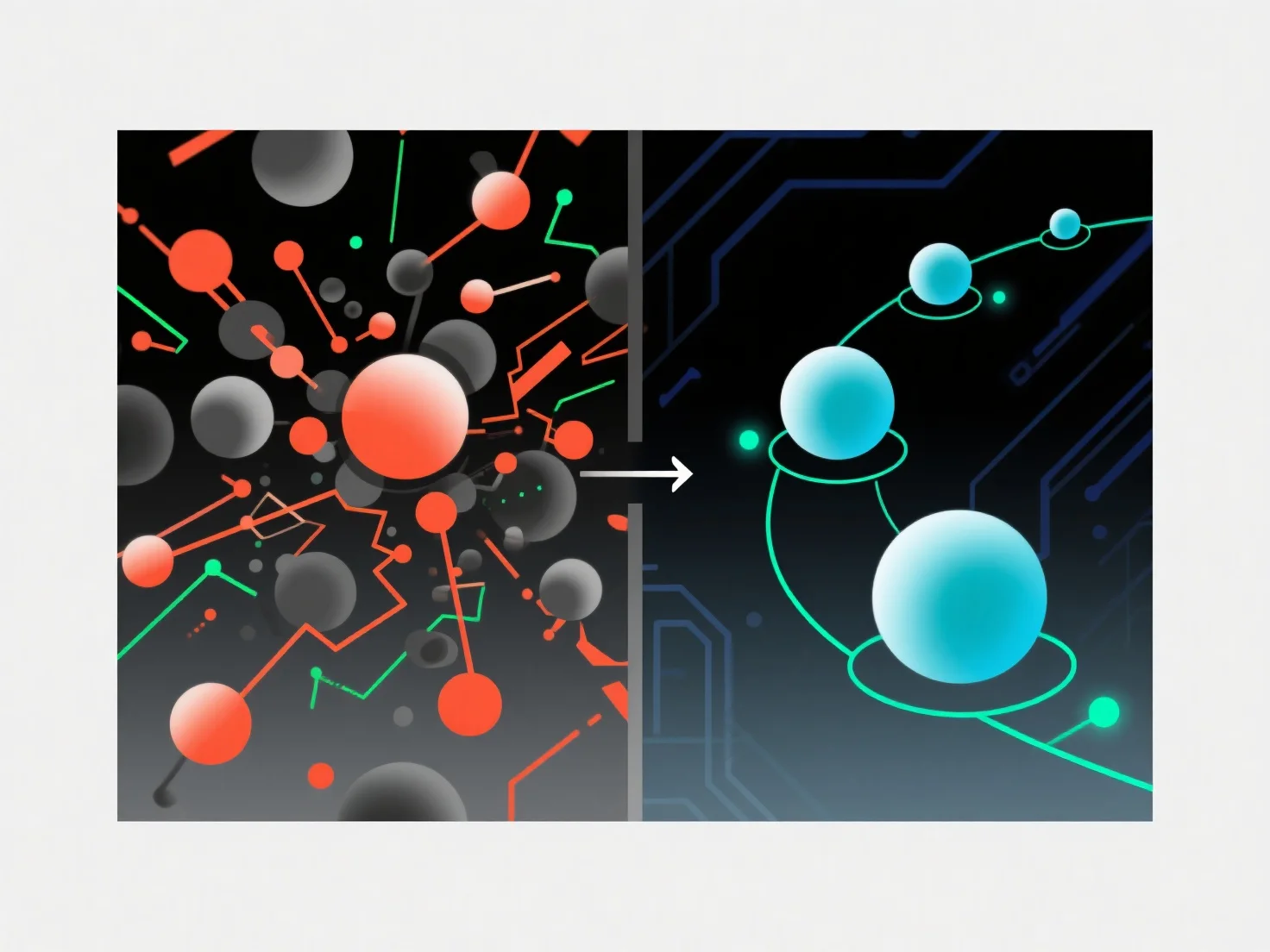
Die Optimierung von Physiksimulationen verbessert die Leistung in Echtzeitumgebungen, indem die Rechenlast reduziert und die Bildwiederholraten erhöht werden. Dies wird durch optimierte Berechnungen, priorisierte kritische Interaktionen und ausgewogene Algorithmen für Genauigkeit und Geschwindigkeit erreicht.
Zu den wichtigsten Anwendungen in verschiedenen Branchen gehören: - Videospiele: Gewährleistung reibungsloser Charakterbewegungen, Kollisionserkennung und Objektinteraktionen ohne Verzögerungen beim Gameplay. - AR/VR: Aufrechterhaltung einer niedrigen Latenz für realistische Benutzerinteraktionen wie Objektmanipulation oder Umgebungsreaktionen. - Trainingssimulationen: Ermöglichung reaktionsschneller, immersiver Erfahrungen für Flug- oder medizinisches Training.
Praktische Optimierungsschritte: Beginnen Sie mit der Vereinfachung von Kollisionsformen oder der Anpassung von Simulationszeitschritten, um sie an die Hardwarekapazitäten anzupassen.