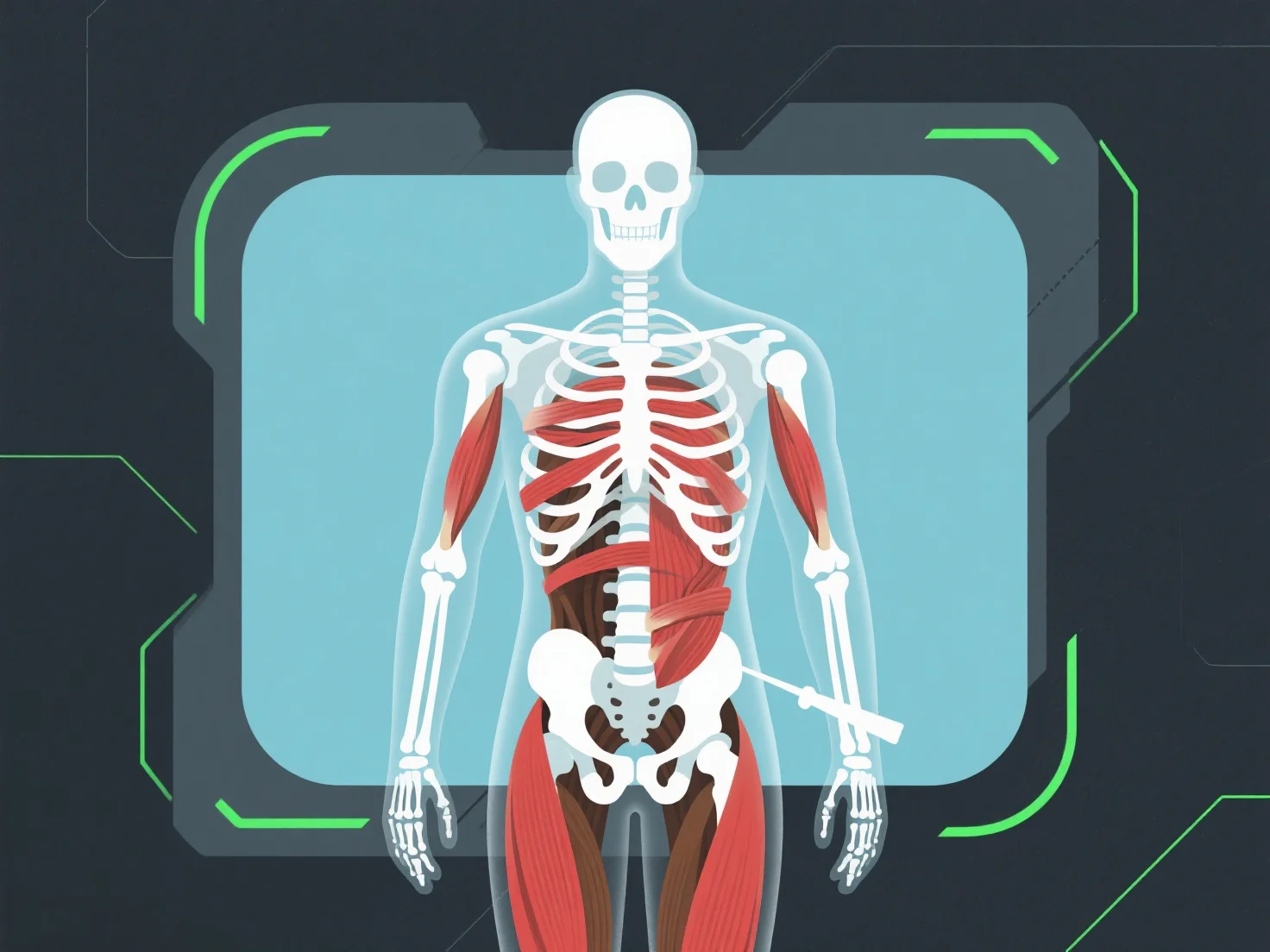
Die Skelett- und Muskelsysteme in 3D-Menschmodellen werden durch strukturierte Knochenhierarchien und dynamische Muskel-Simulationen, die an Gelenkbewegungen gebunden sind, dargestellt. Das Skelett wird als eine hierarchische Kette von Knochen mit definierten Gelenken modelliert, die das starre Gerüst des Modells bilden. Muskeln werden typischerweise auf zwei Arten dargestellt: entweder als deformierbare Netze, die an Knochen angehängt sind, oder über physikbasierte Simulationen, die Kontraktion und Entspannung nachahmen. Diese Integration ermöglicht realistische Bewegungen. Muskeln dehnen sich oder wölben sich, wenn sich Knochen an Gelenken drehen. Dies macht sie weit verbreitet in der medizinischen Visualisierung, Charakteranimation und biomechanischen Forschung.


Wie werden das Skelett- und das Muskelsystem in 3D-Modellen des menschlichen Körpers dargestellt?
3D-Humanoide Modelle verwenden strukturierte Knochenhierarchien und dynamische Muskel-Simulationen für realistische Bewegungen in verschiedenen Bereichen.