


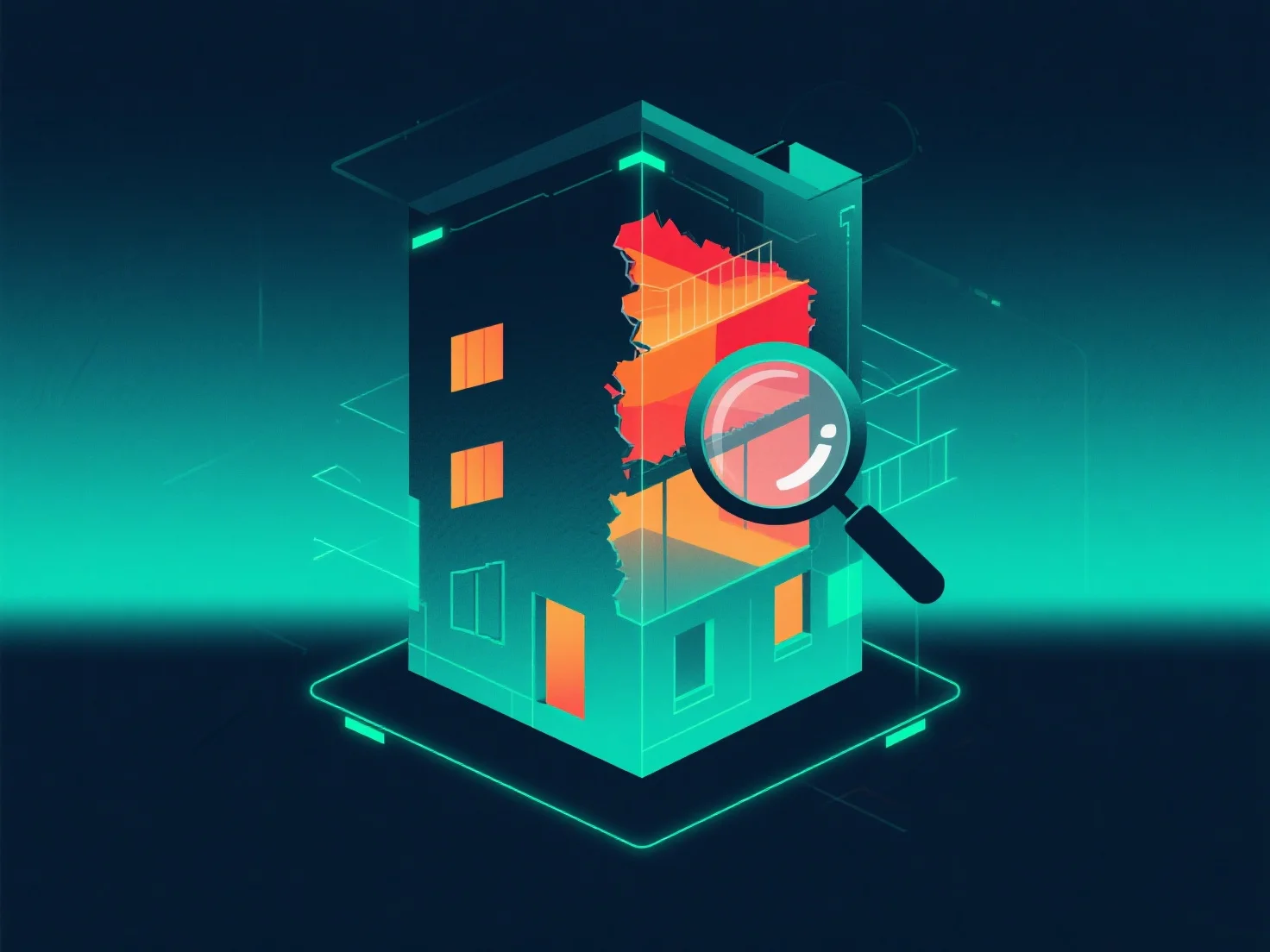
In the risk assessment phase of a project, 3D modeling plays a key role in identifying, analyzing, and mitigating potential risks by creating detailed visual representations of the project’s structure or environment, making hidden hazards more tangible than 2D plans.
It achieves this through several key ways: - **Visualization of hidden risks**: 3D models reveal spatial conflicts, structural weaknesses, or operational bottlenecks that 2D layouts might obscure, such as unstable components or clearance issues. - **Scenario simulation**: Stakeholders can simulate stress tests, workflow disruptions, or environmental impacts to assess risk severity, helping evaluate how risks might affect outcomes. - **Early mitigation**: By highlighting issues early, 3D modeling allows teams to adjust plans proactively, reducing costly delays or safety hazards during execution.
Overall, 3D modeling enhances risk assessment accuracy, enabling proactive problem-solving and improving project safety and efficiency.