


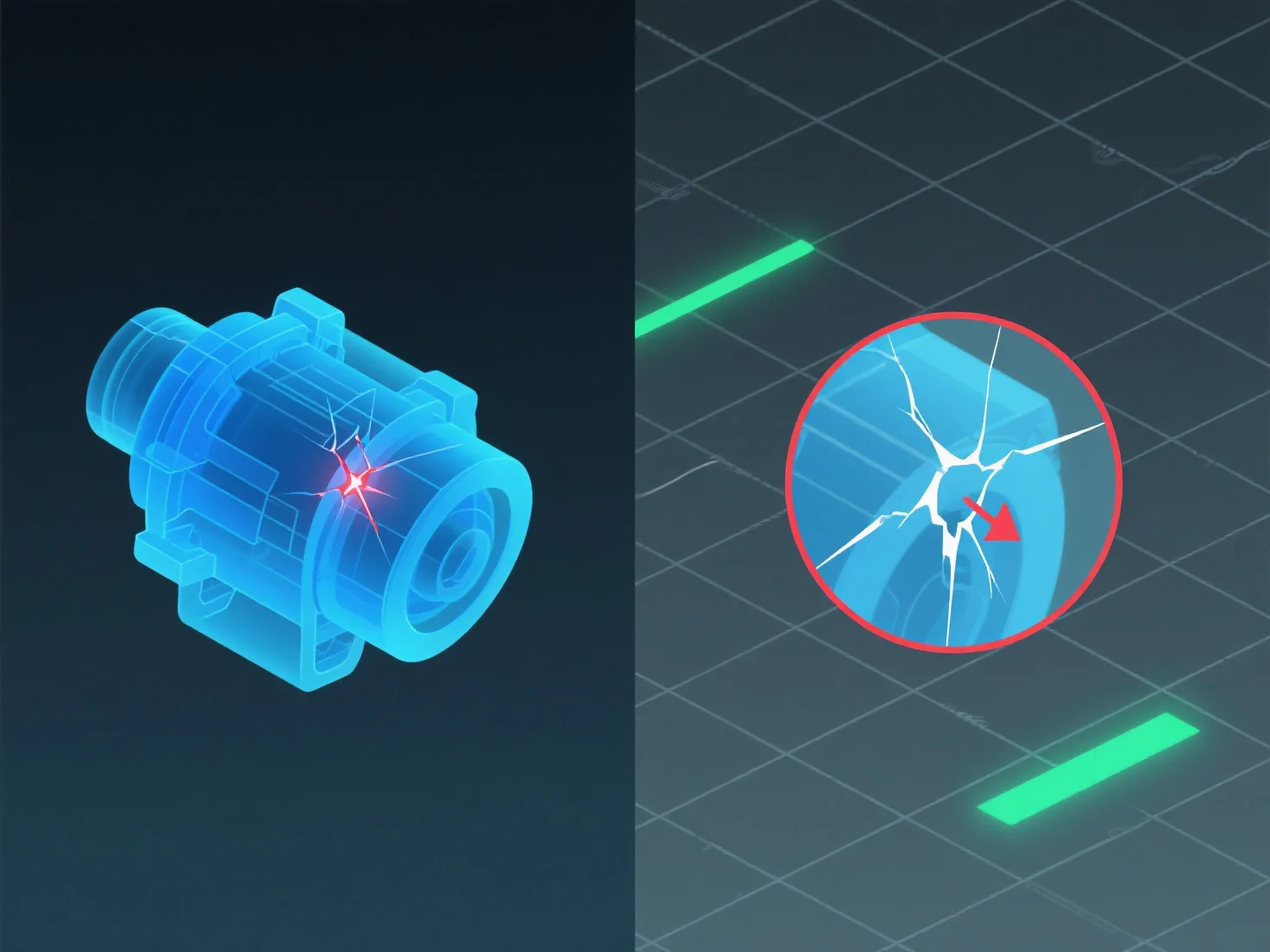
3D modeling helps identify potential design flaws early by enabling detailed digital visualization, simulation, and analysis before physical prototyping, allowing issues to be caught before physical production.
Key ways it achieves this include: - **Visualization**: 3D models can be inspected from all angles, revealing hidden spatial conflicts, misalignments, or structural gaps that 2D plans often miss. - **Simulation**: Tools test structural stress, thermal performance, or assembly fit, highlighting weak points (e.g., load-bearing parts) or component mismatches (e.g., ill-fitting parts). - **Collaboration**: Teams share and review models in real time, catching ergonomic flaws (e.g., awkward user interaction) or functional issues through collective feedback.
This early detection minimizes costly rework, speeds up development, and ensures designs are robust before physical prototyping.