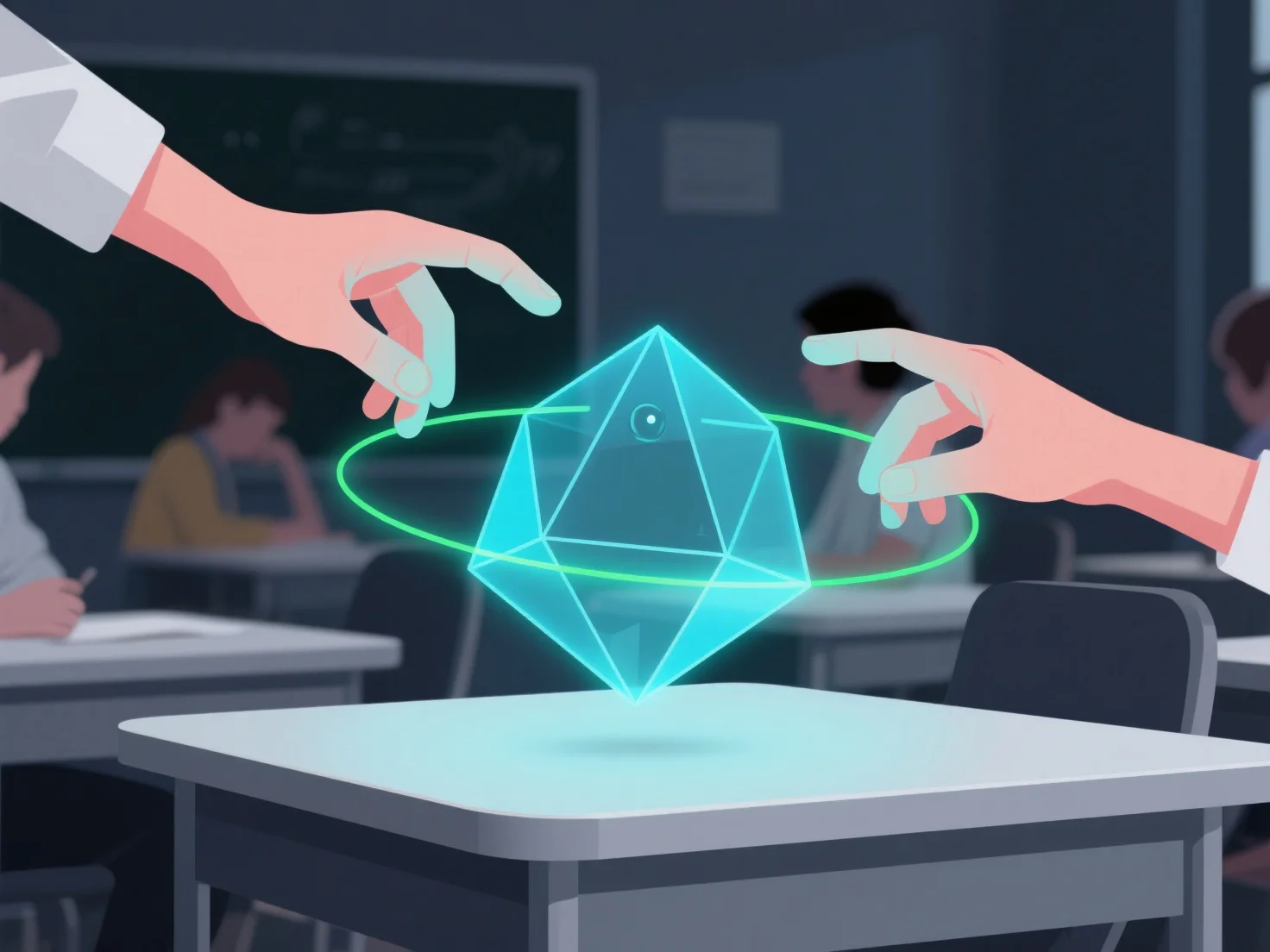
3D modeling is pivotal in experiential learning, creating interactive, immersive representations that enable hands-on exploration of complex subjects, turning abstract concepts into tangible, manipulable objects for deeper understanding.
Key contributions include: - **STEM Education**: In biology, 3D anatomical models let students dissect and examine organs spatially; in chemistry, molecular structures reveal bonding mechanisms—details static images often miss. - **Active Engagement**: Learners interact by rotating, modifying, or simulating scenarios, fostering active participation over passive observation, which strengthens retention.
For educators, user-friendly tools (e.g., web-based 3D platforms) simplify integration, making these interactive elements accessible to enhance experiential learning.