


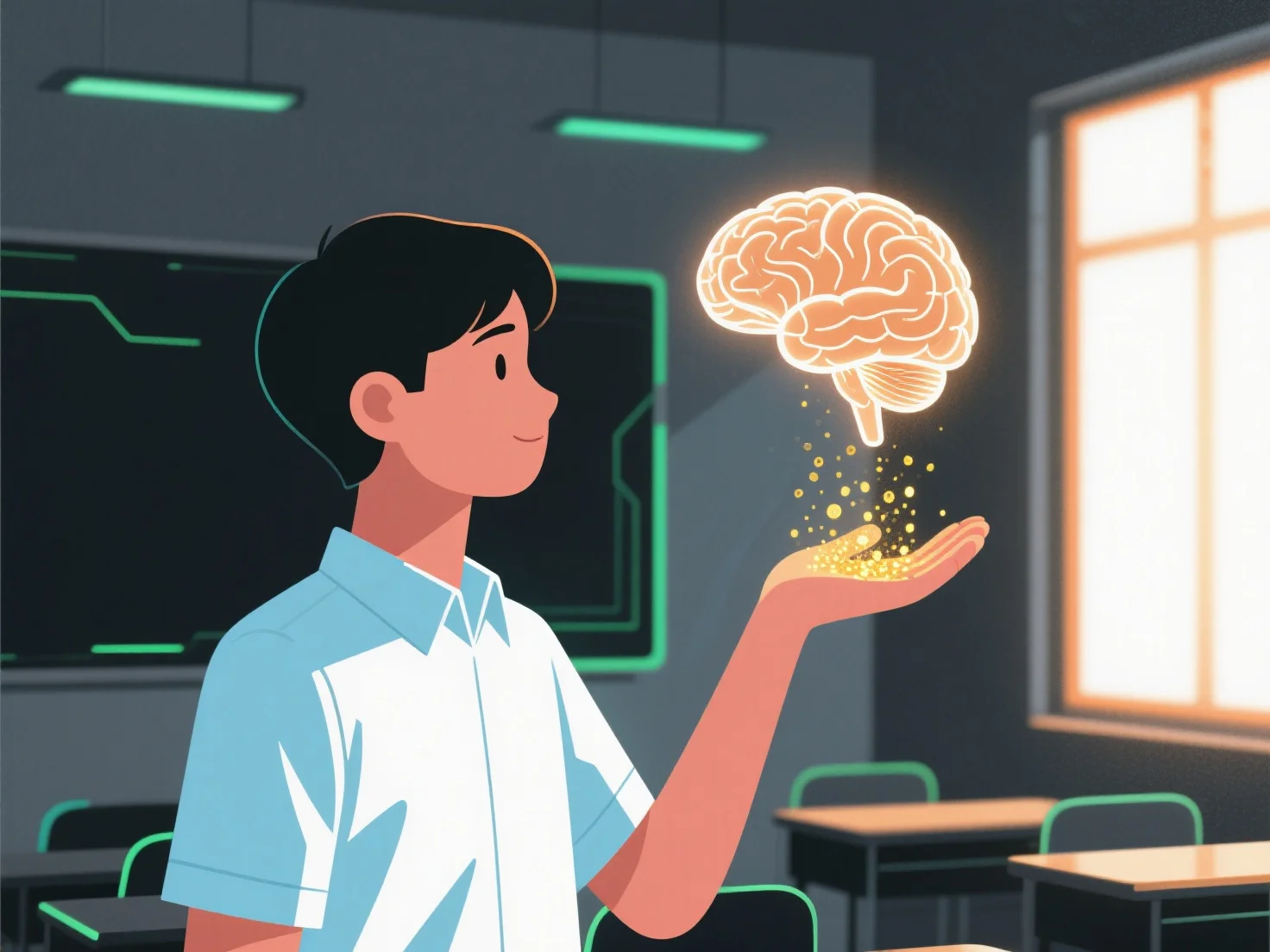
La modélisation 3D améliore la rétention mémorielle des étudiants en créant des expériences d'apprentissage multisensorielles et interactives qui relient des concepts abstraits à des visualisations tangibles, rendant l'information plus mémorable.
Les principales méthodes incluent : - Engager plusieurs voies de mémoire : Cela stimule simultanément les sens visuel, spatial et kinesthésique, renforçant ainsi les connexions neuronales. - Transformer des idées abstraites : Les concepts complexes (par exemple, les structures cellulaires en biologie, les formations géologiques en géographie) deviennent des objets concrets et manipulables, facilitant ainsi leur compréhension. - Encourager une participation active : La conception, l'ajustement et la visualisation d'éléments 3D nécessitent une implication pratique, approfondissant ainsi la compréhension bien plus que des images ou du texte 2D passifs.
En intégrant ces éléments, la modélisation 3D renforce la rétention de la mémoire grâce à un apprentissage actif et riche en stimuli sensoriels.