Home/Hitem3D FAQ/What is the significance of using a roughness map in PBR materials?

What is the significance of using a roughness map in PBR materials?

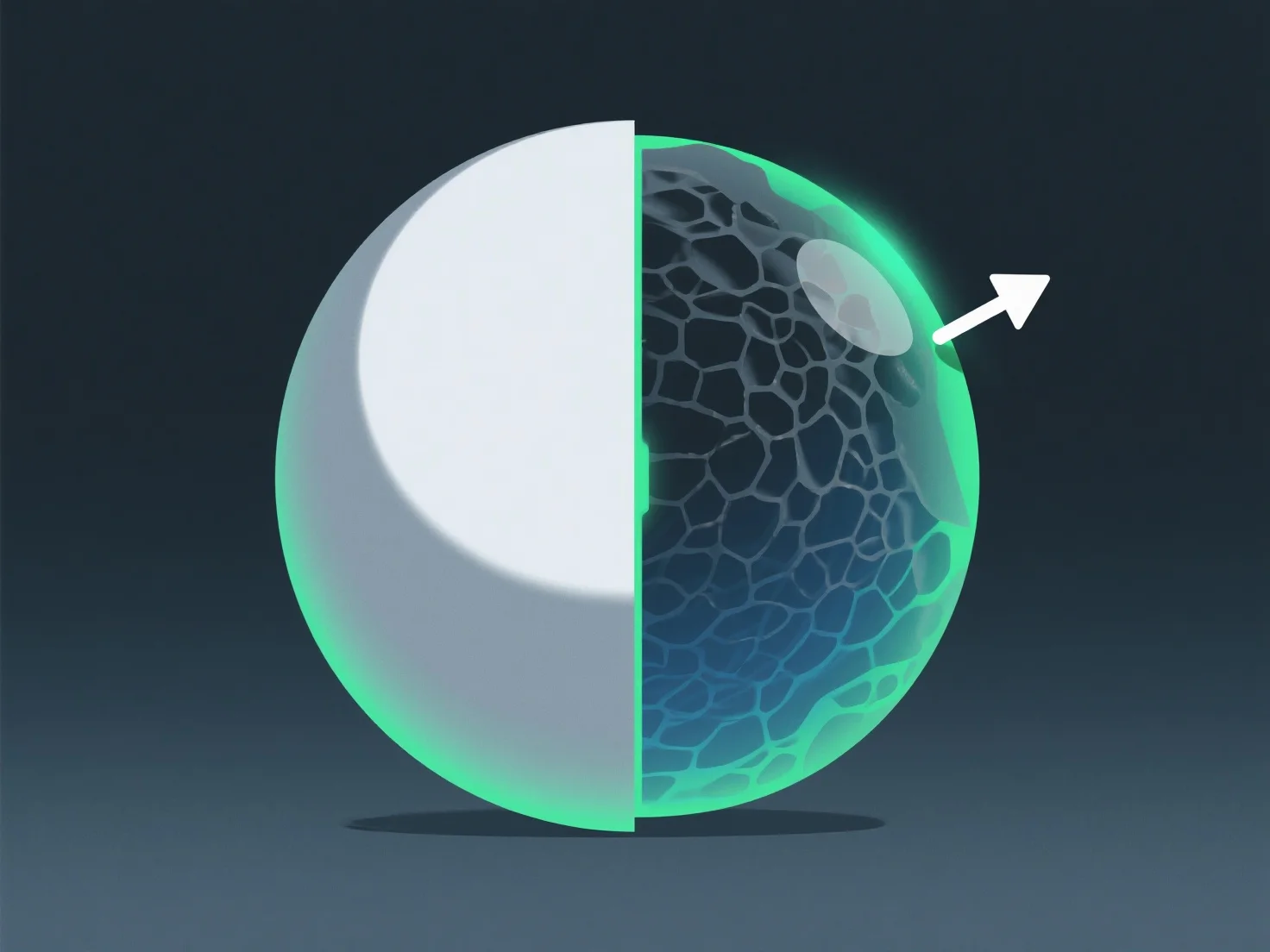
A roughness map in PBR materials controls light reflection to determine surface smoothness/roughness, aiding realistic 3D rendering with other maps.

What is the significance of using a roughness map in PBR materials?

The significance of using a roughness map in PBR materials is to control a surface’s light reflection behavior, determining whether it appears smooth (shiny) or rough (matte), which is critical for realistic 3D rendering.

It works with other PBR maps to simulate real-world material properties: - **Light interaction control**: Smooth surfaces reflect sharp, focused highlights, while rough ones scatter light, creating diffused, soft reflections. - **Material authenticity**: Collaborates with albedo (color) and metallic maps to mimic real materials—e.g., polished metal (low roughness) vs. brushed concrete (high roughness).

By tuning roughness, PBR materials achieve lifelike detail, making 3D models visually convincing in games, animations, and visualizations.

PreviousNext
Product
Web Studio
API Platform
Features
Image to 3D
Multi-view to 3D
Relief
Segmentation
Models
General Model
Portrait Model
Resource
Blog
FAQ
API Docs
About us
Pricing