


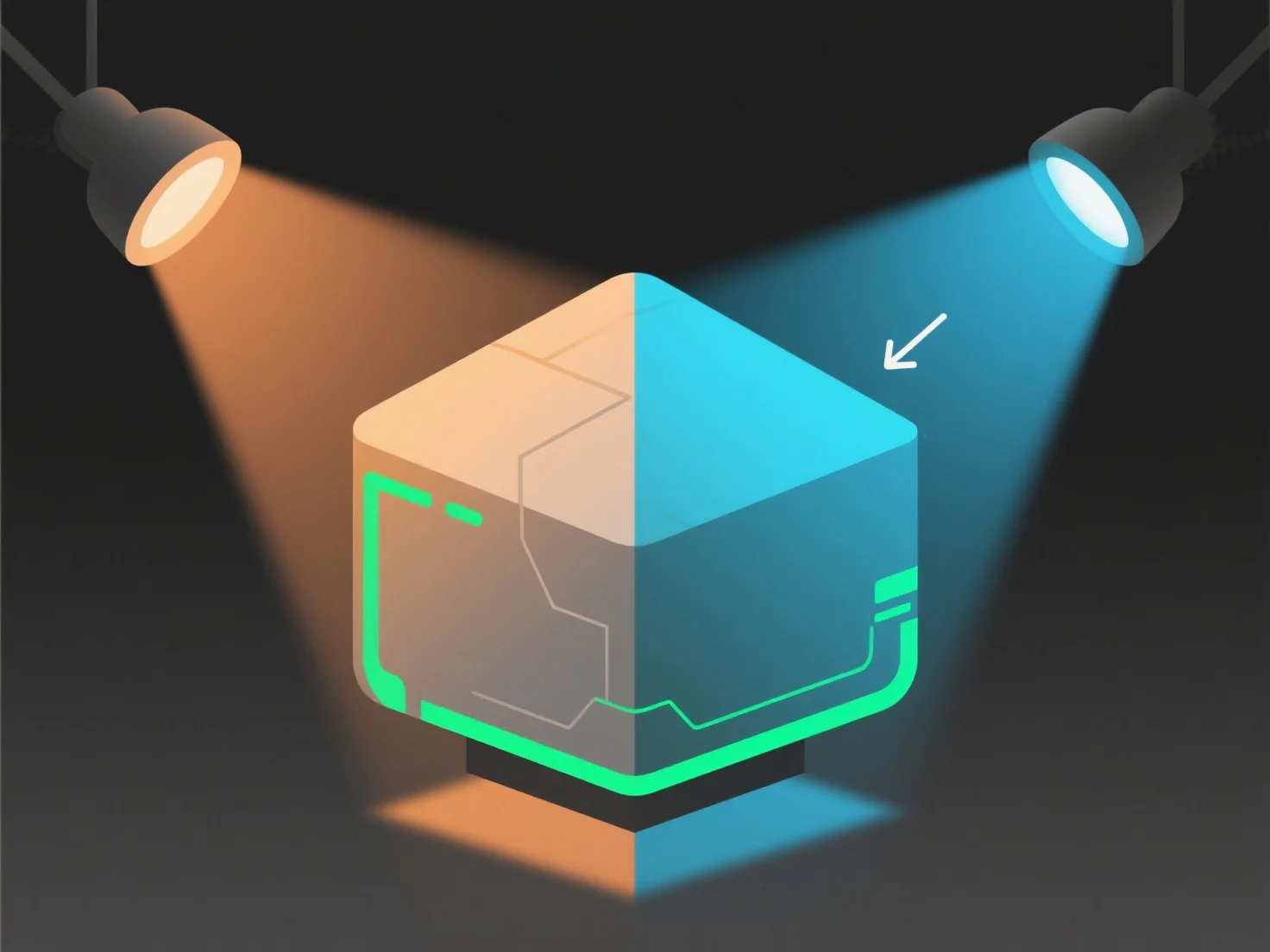
In 3D modeling, lighting is critical for enhancing realism, defining spatial depth, and emphasizing surface details, serving as a bridge between virtual objects and lifelike perception.
- **Realism Simulation**: It mimics natural light behavior, simulating shadows, reflections, and material properties (e.g., gloss or matte) to make 3D objects appear tangible and lifelike. - **Spatial Definition**: By adjusting brightness, color, and direction, lighting differentiates surfaces, creates depth, and clarifies object relationships within the scene. - **Mood & Focus**: It sets the scene’s atmosphere (e.g., warm or cool) and guides viewer attention to key details, ensuring the model is visually coherent and immersive.
Overall, lighting transforms flat 3D structures into engaging, lifelike representations by harmonizing texture, contour, and spatial dynamics.