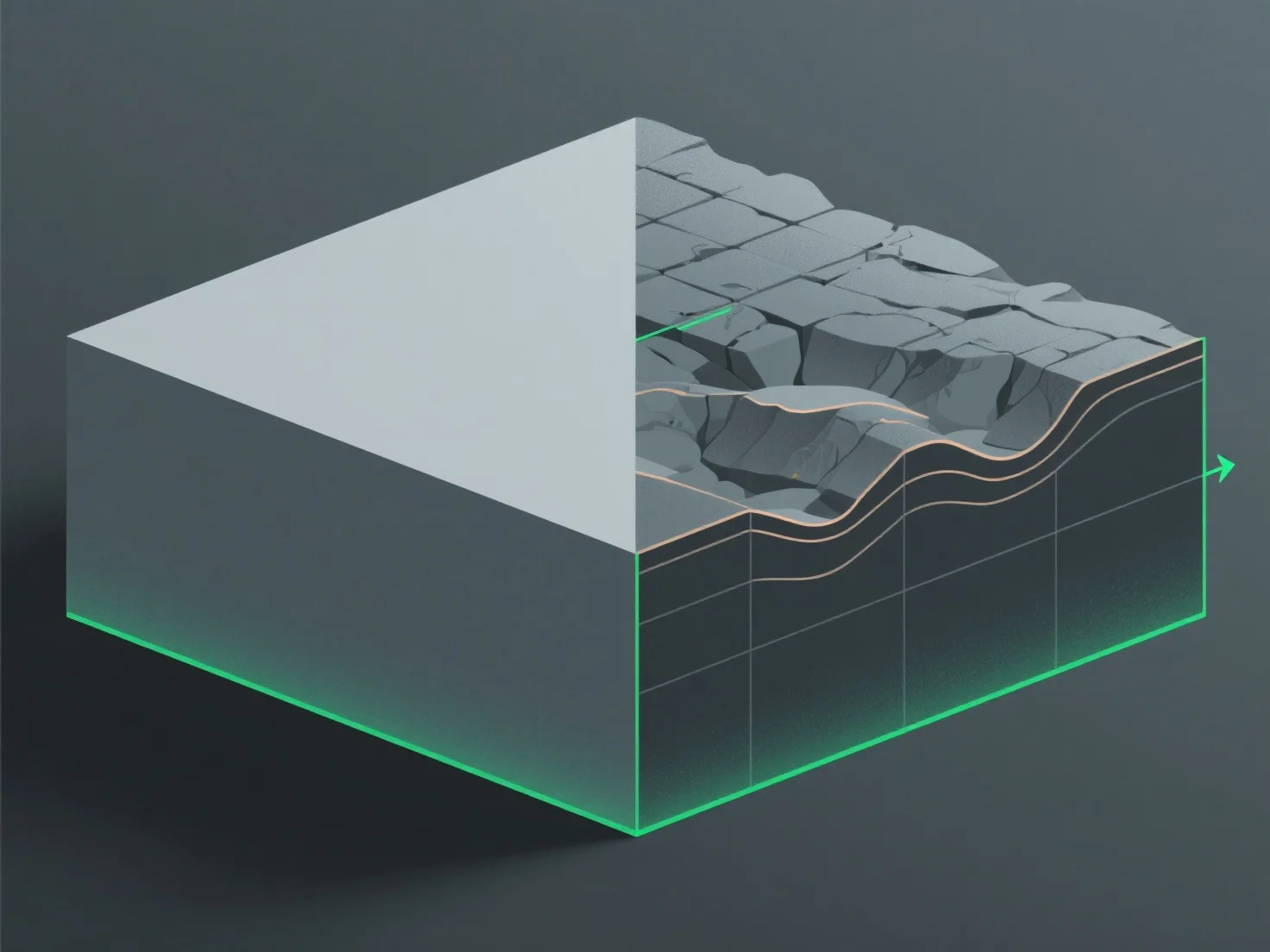
Displacement maps in 3D materials primarily serve to add physical depth and surface detail by modifying the geometry of a 3D model. They function by using grayscale values to adjust vertex positions—lighter areas push the surface outward, while darker areas pull it inward, effectively mimicking real-world textures like bumps, grooves, or uneven surfaces. For practical use, testing with simple grayscale images helps observe how different values influence surface shape, making them accessible even for beginners.


What is the purpose of displacement maps in 3D materials?
Displacement maps add 3D model depth via grayscale values modifying vertex positions, mimicking textures.