Home/Hitem3D FAQ/What is the difference between real-time and offline rendering techniques?

What is the difference between real-time and offline rendering techniques?

Real-time rendering prioritizes speed for interaction, offline focuses on quality with longer processing.

What is the difference between real-time and offline rendering techniques?

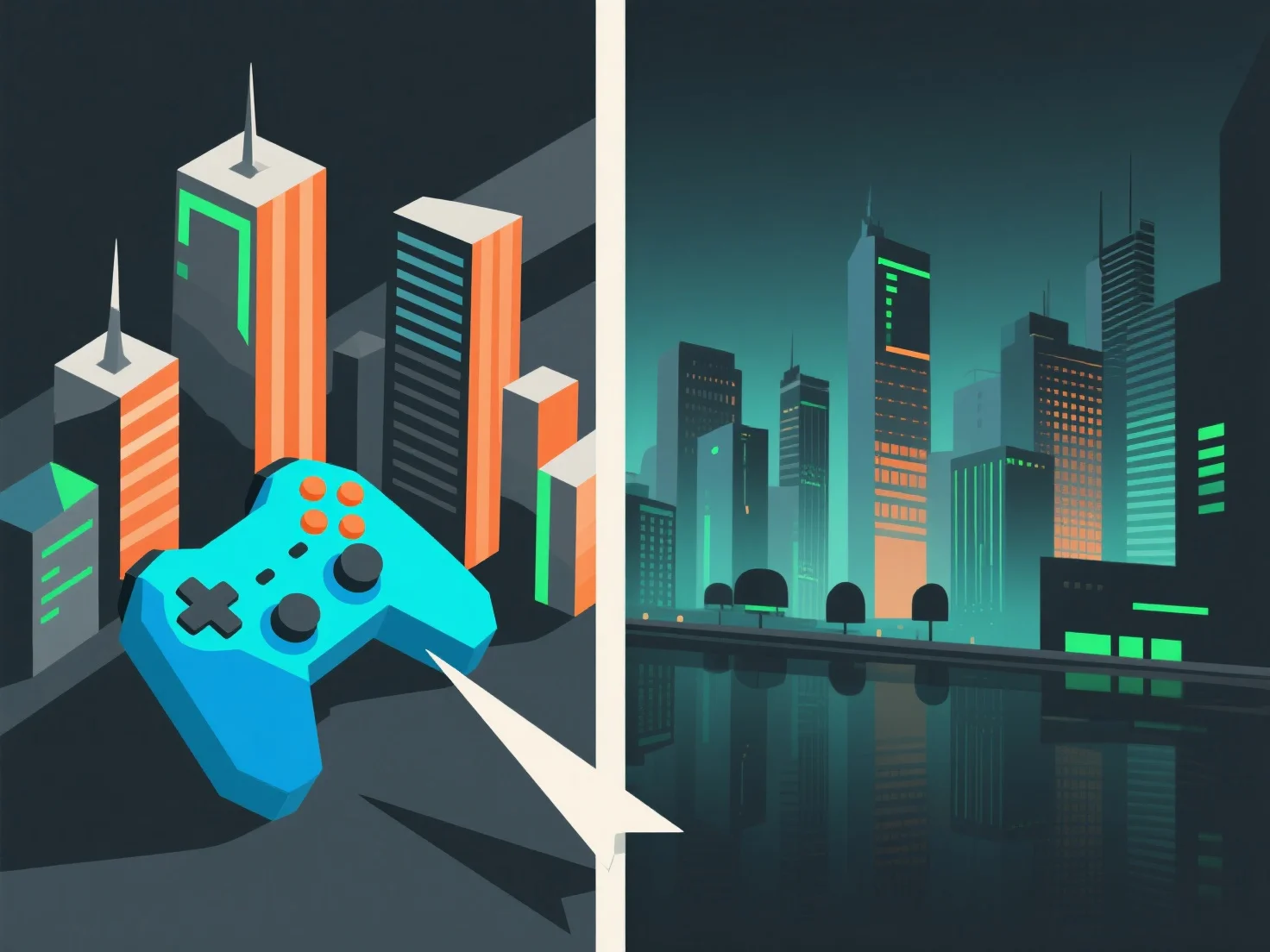
The key difference between real-time and offline rendering techniques is that real-time prioritizes speed for instant visual feedback, while offline focuses on high-quality, detailed output with longer processing times.

Real-time rendering is typically used in interactive scenarios like video games or VR, requiring immediate image generation to support user interaction, as delays would disrupt the experience.

Offline rendering, common in movies or animations, allows for complex lighting, textures, and effects by taking more time to compute—often hours or days per frame—to achieve cinematic quality.

In summary, real-time is ideal for interactive 3D applications needing instant response, while offline suits high-fidelity pre-rendered content where quality takes precedence over speed.

PrevNext
Product
Web Studio
API Platform
Features
Image to 3D
Multi-view to 3D
Relief
Segmentation
Models
General Model
Portrait Model
Resource
Blog
FAQ
API Docs
About us
Pricing