


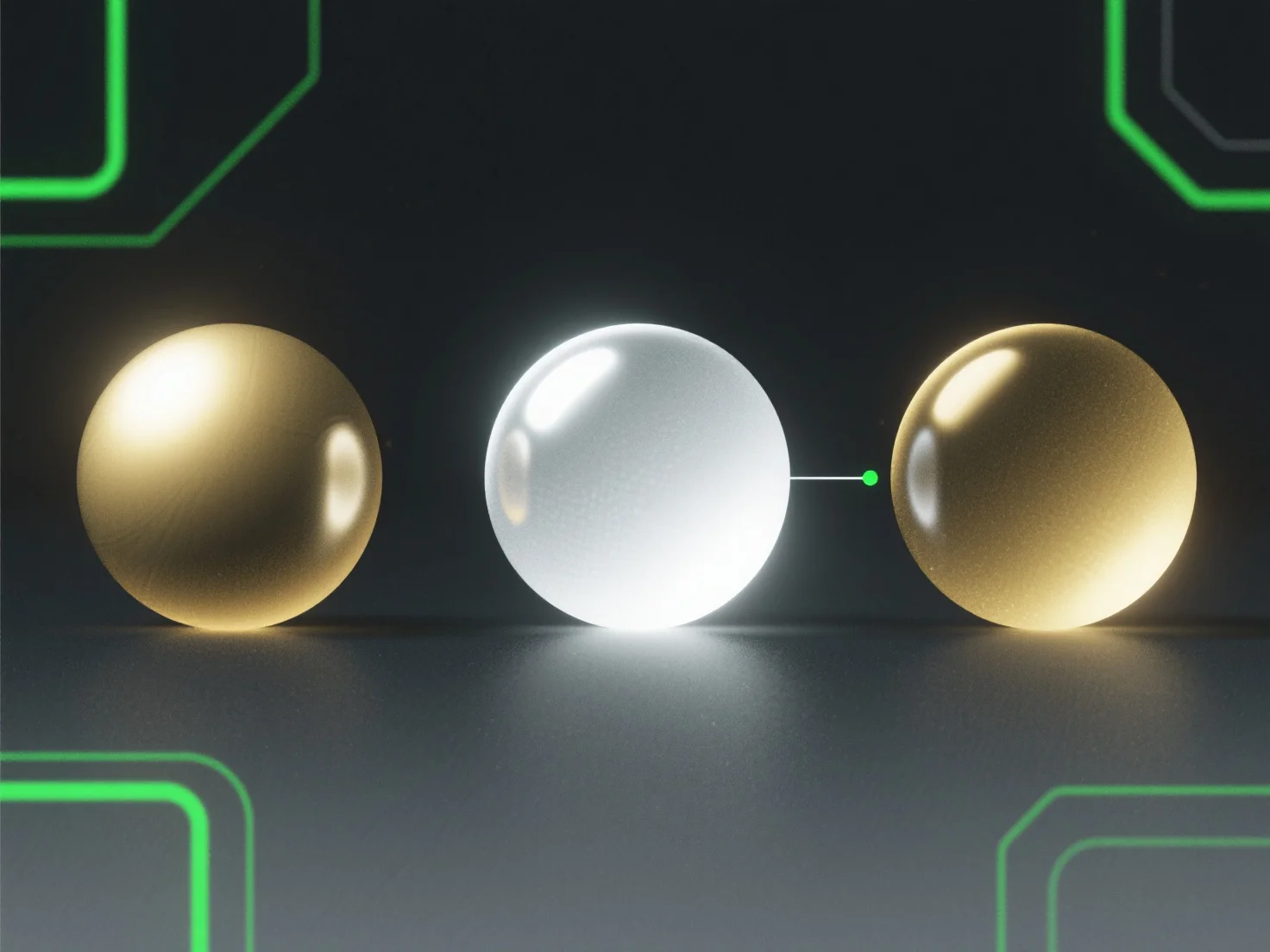
Dans la conception 3D, les matériaux diffus, spéculaires et ambiants diffèrent principalement par leur comportement de réflexion de la lumière, façonnant directement la finition visuelle d'une surface.
- Les matériaux diffus : Ils diffusent la lumière uniformément dans toutes les directions, créant une apparence mate et non brillante (par exemple, le carton, le tissu). - Les matériaux spéculaires : Ils réfléchissent la lumière sous forme de faisceaux focalisés et directionnels, produisant des reflets brillants (par exemple, l'acier poli, le verre). - Les matériaux ambiants : Ils simulent une lumière indirecte et non directionnelle, ajoutant une luminosité de base aux surfaces, même sans éclairage direct.
Lors de l'ajustement des matériaux, alignez-vous sur l'effet souhaité : les surfaces mates utilisent un éclairage diffus, les surfaces brillantes s'appuient sur l'éclairage spéculaire, et une lueur de base cohérente dépend des propriétés ambiantes.