


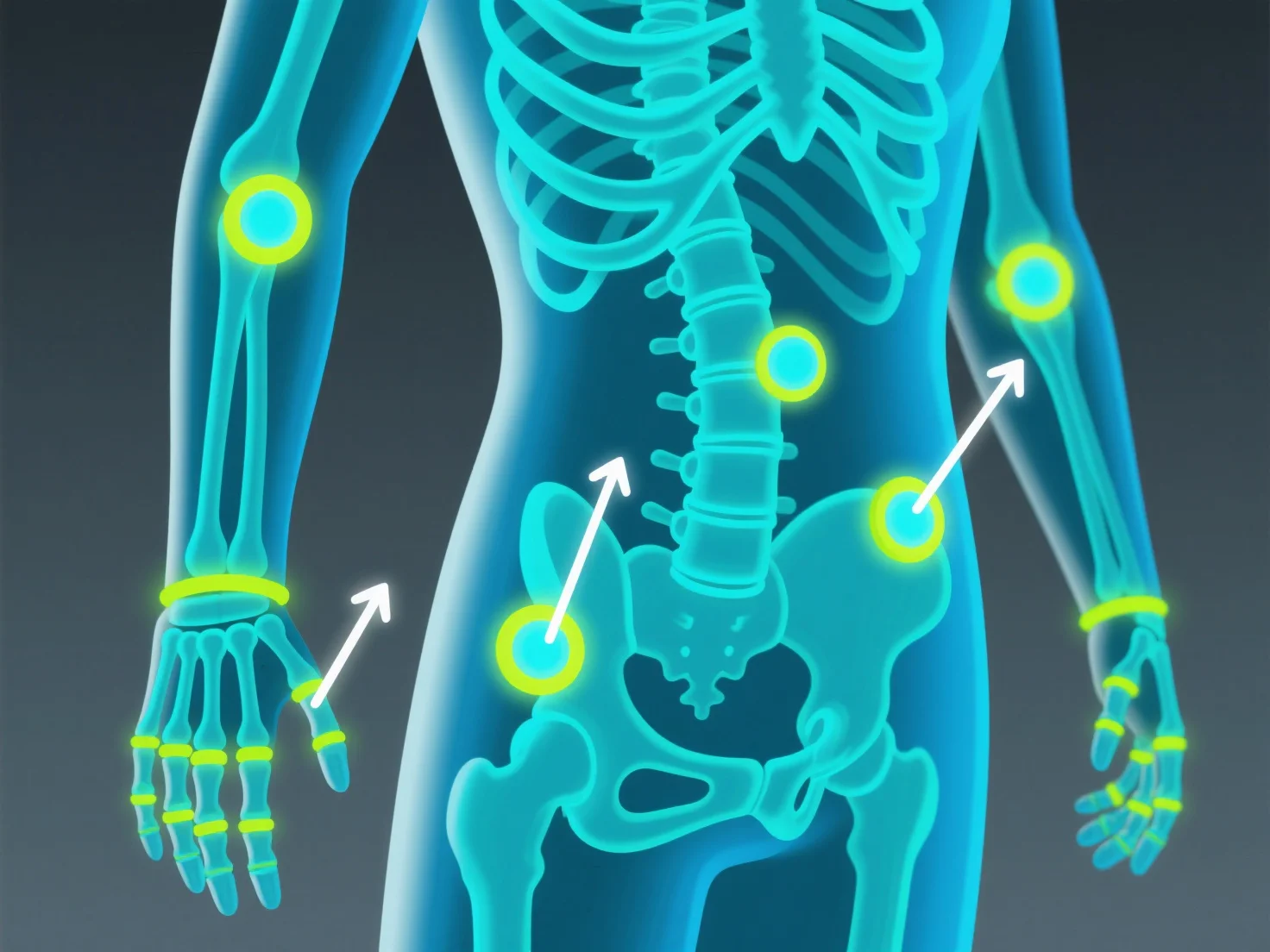
El rigging en el modelado 3D es el proceso de crear un esqueleto digital (armadura) para controlar el movimiento de un modelo 3D, lo que permite a los animadores manipular su movimiento.
Este esqueleto incluye articulaciones clave.
Las aplicaciones comunes abarcan la animación (dibujos animados), los juegos (acciones de personajes) y las películas (movimiento realista de personajes). Para principiantes, comenzar con rigs simples.