


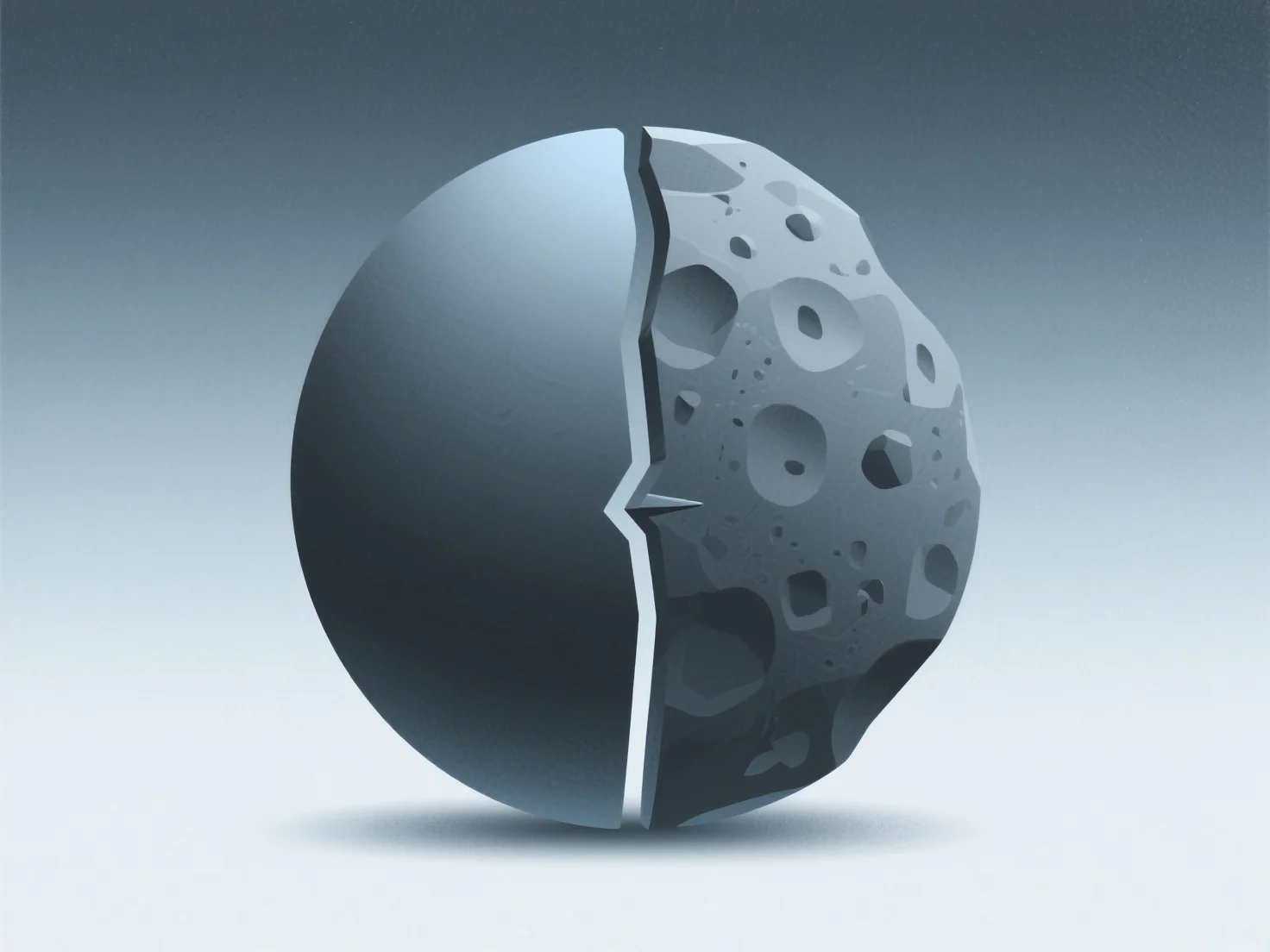
Bump mapping in 3D modeling is a technique that simulates surface irregularities (e.g., small bumps, grooves) by using a grayscale texture to alter light reflection, creating the illusion of depth without changing the model’s actual geometry.
It operates via a height map (grayscale image): lighter pixels represent raised areas, darker ones indented, manipulating light interaction to mimic texture detail.
Ideal for adding fine details (e.g., wood grain, concrete pores) in games, animations, or visualizations, as it avoids increasing polygon count, keeping models efficient.
In short, it enhances visual realism cost-effectively by faking depth through texture-based light tricks, not physical geometry changes.