


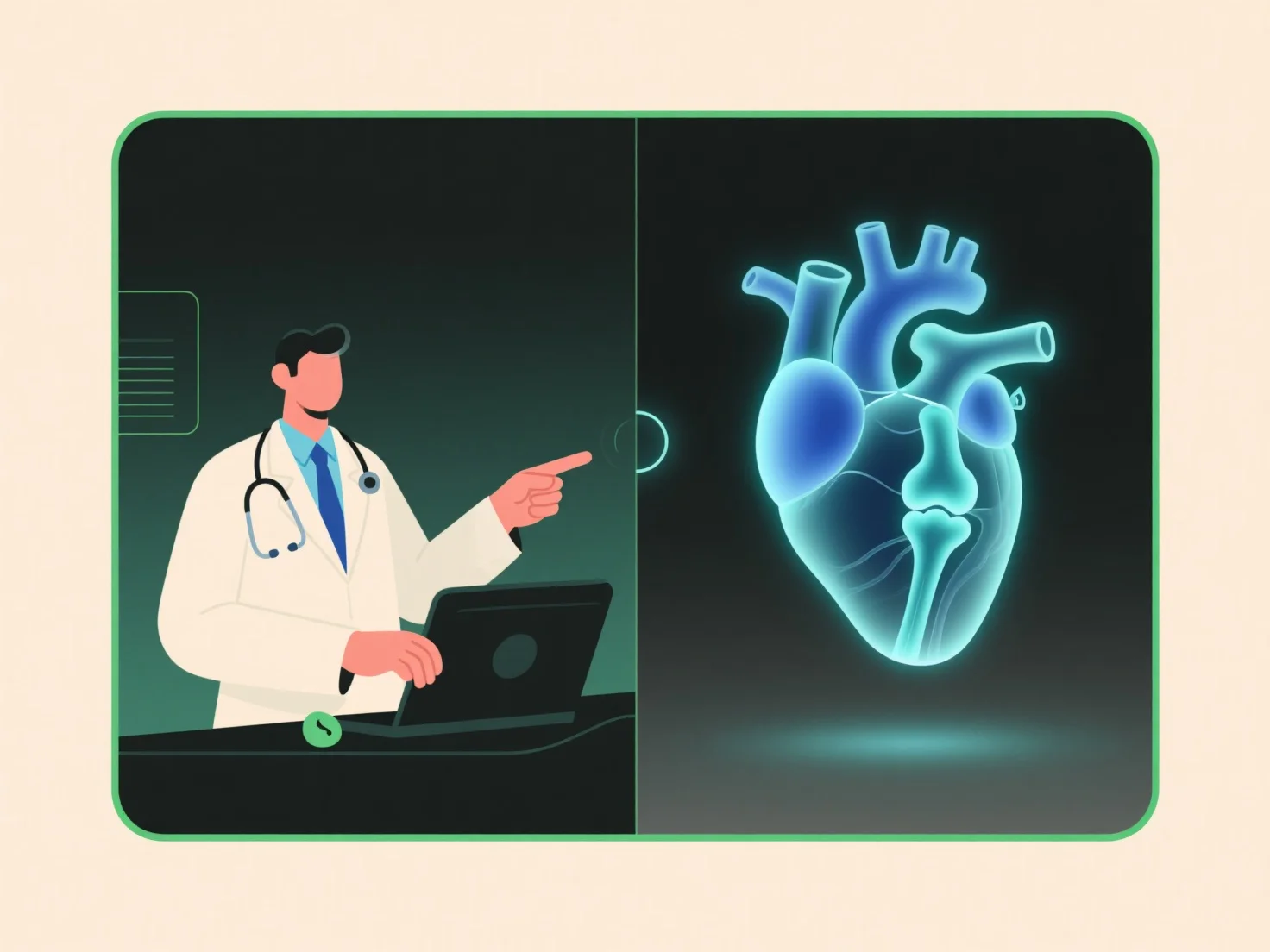
3D modeling in virtual healthcare consultations primarily enhances doctor-patient communication by visualizing complex anatomical structures and medical conditions, making abstract health issues tangible.
It converts 2D medical data (e.g., CT or MRI scans) into detailed 3D models, helping patients grasp otherwise hard-to-understand information. For example, it can clearly show tumor locations, outline surgical steps, or simulate post-treatment recovery effects.
This is especially valuable for conditions involving structural changes, such as orthopedic injuries or neurological disorders, enabling patients to better comprehend their diagnosis and treatment plans.