


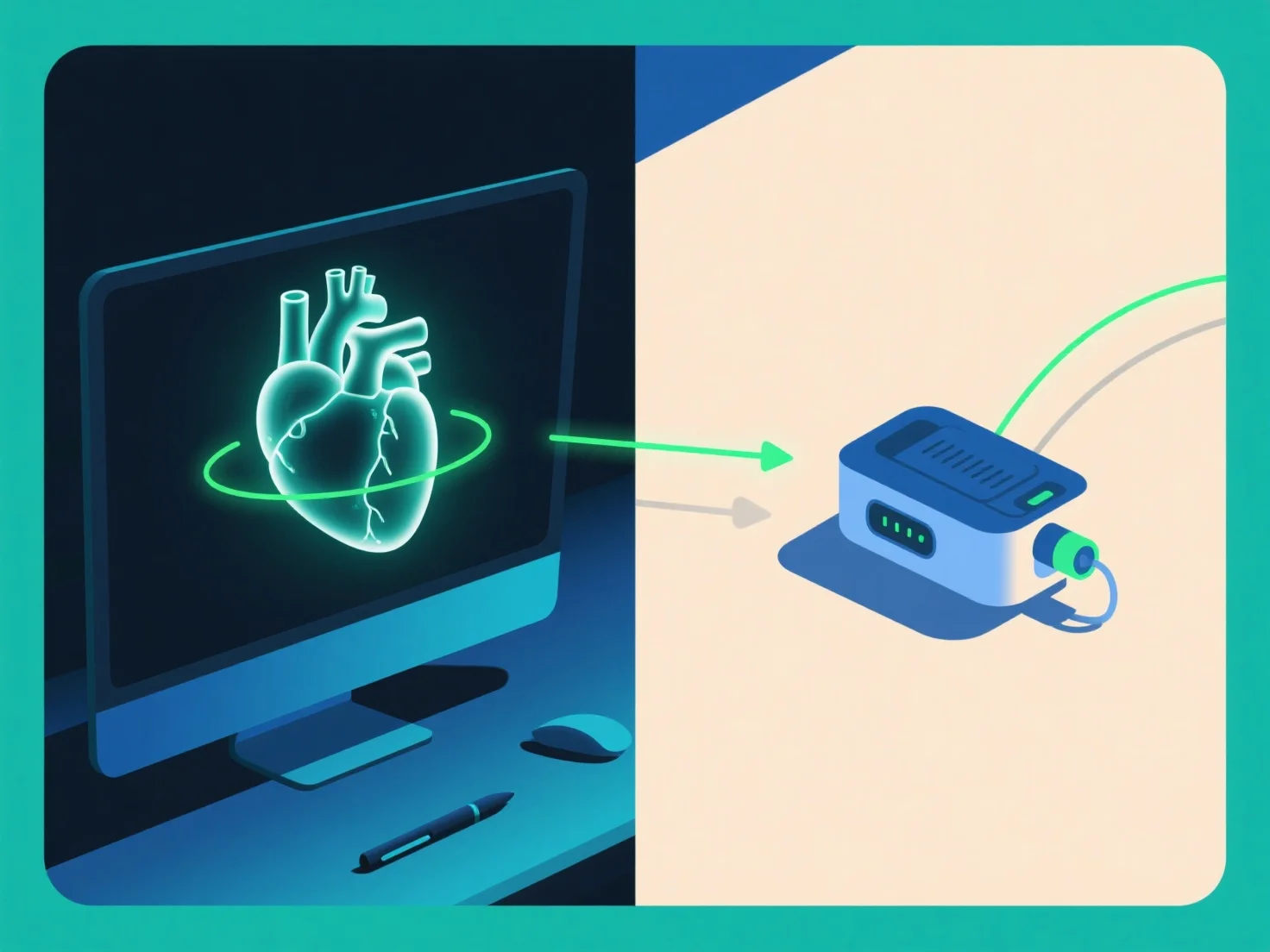
3D modeling aids medical device design by enabling precise visualization, iterative prototyping, and customization, streamlining development and enhancing device safety and effectiveness.
- **Precise Visualization**: It creates detailed digital representations of components (e.g., implants, surgical tools), allowing early evaluation of form, fit, and functionality to identify design flaws upfront. - **Iterative Prototyping**: Reduces reliance on physical prototypes, accelerating development cycles and lowering costs by enabling quick design adjustments in a digital environment. - **Customization**: Integrates with medical imaging (CT/MRI scans) to tailor devices to patient anatomy, improving compatibility with surgical workflows and patient outcomes.
This combination ensures medical devices are both efficiently developed and clinically optimized, driving innovation in healthcare design.