


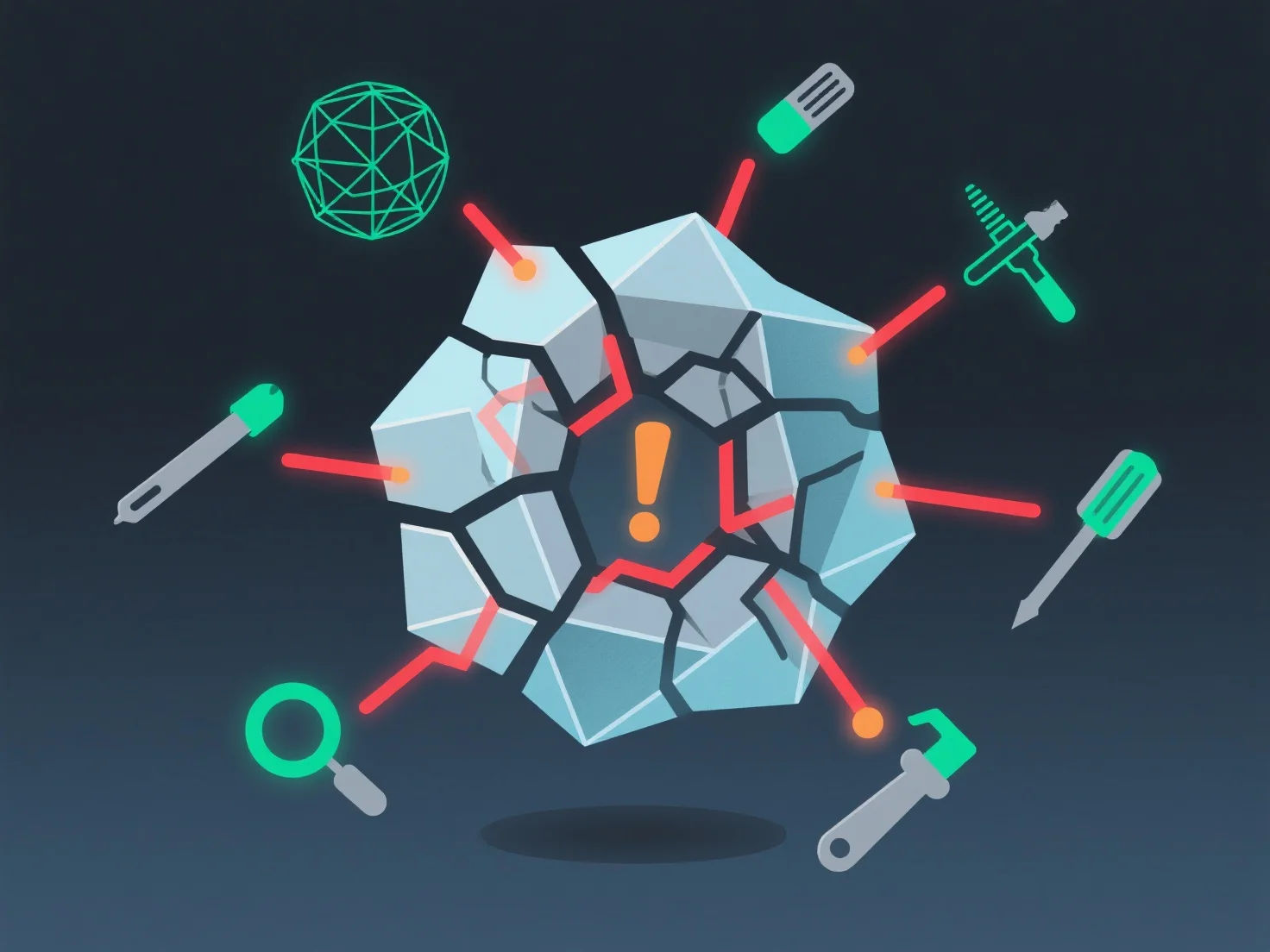
Combining different 3D tools in large-scale projects faces three key challenges: data compatibility issues, workflow inconsistencies, and coordination inefficiencies.
Data compatibility is a primary hurdle. Incompatible file formats between tools often cause loss of critical data—such as textures, geometry details, or animation keyframes—during transfers, requiring time-consuming manual fixes.
Workflow inconsistencies disrupt progress. Tool-specific features or interface differences break task continuity; for example, a modeling tool’s unique shortcuts may not align with an animation tool’s workflow, forcing teams to adapt repeatedly and slowing output.
Coordination inefficiencies arise from fragmented processes. Teams using distinct tools struggle with standardized pipelines, leading to misaligned deliverables, redundant work (e.g., redoing asset setups), and increased error risks, hampering project timelines.