


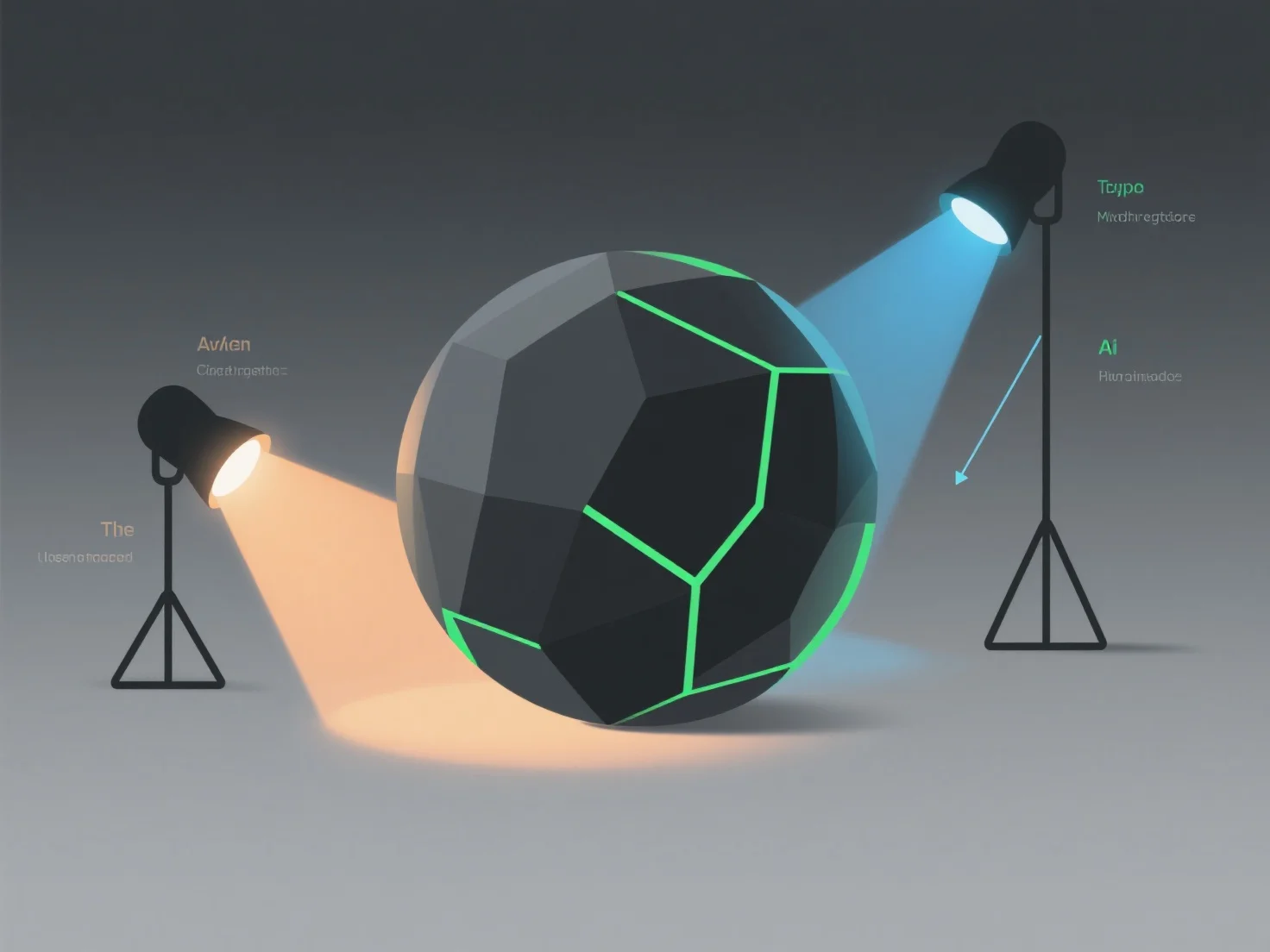
Best practices for 3D modeling lighting involve balancing light sources, simulating real-world conditions, and aligning with the scene’s purpose to enhance details, convey mood, and support the visual narrative, whether aiming for realism or stylization.
Key applications vary by scene type: - Architectural visualization: Use natural light (sun, skylight) to highlight spatial depth and material textures. - Character modeling: Apply three-point lighting (key light for focus, fill light to soften shadows, backlight to define edges). - Product rendering: Opt for even, soft lighting to showcase surface details and color accuracy without harsh contrasts.
For beginners, start with the three-point setup to build a balanced foundation before adjusting for specific scene needs.