


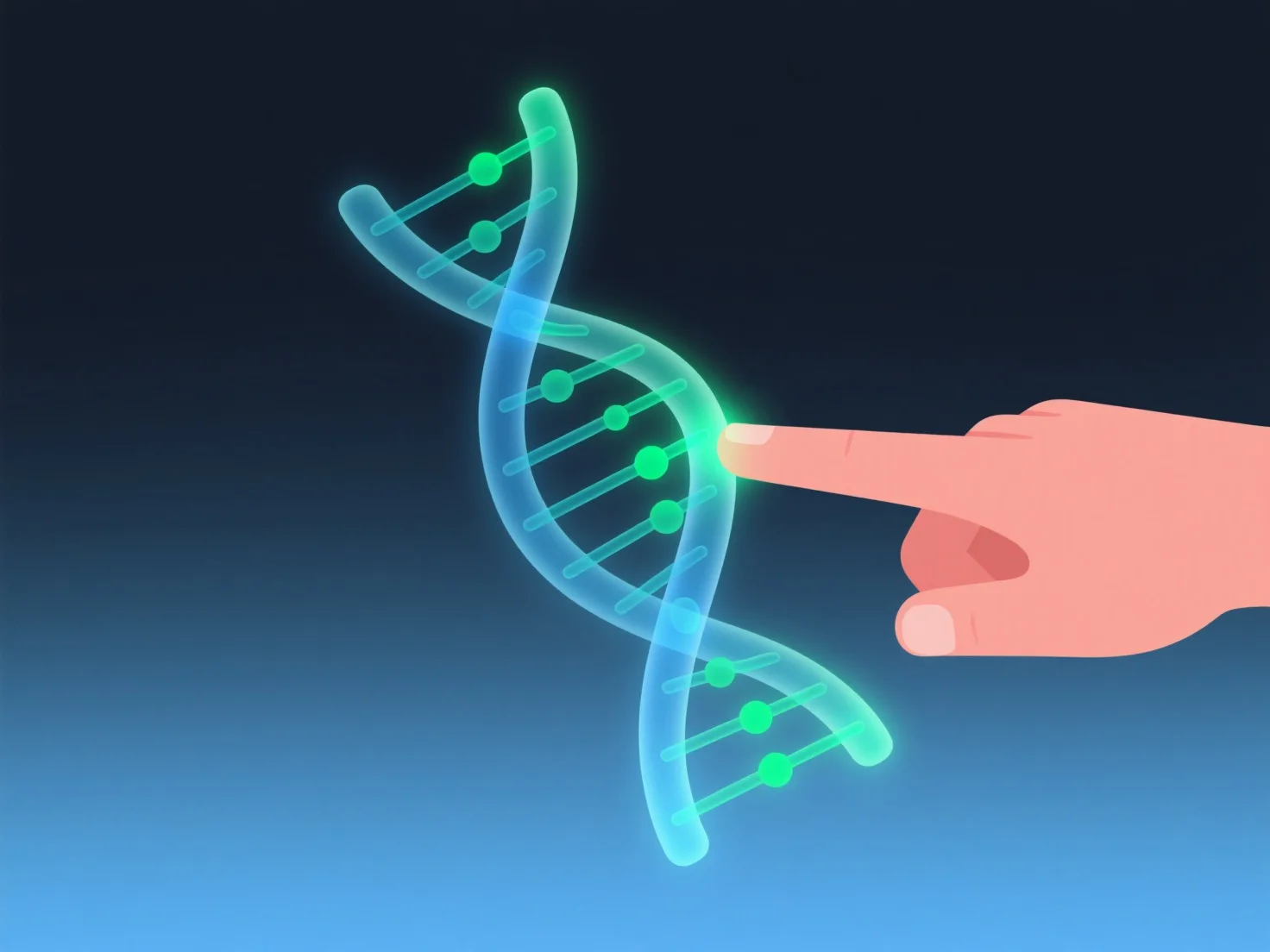
3D models teach complex scientific concepts by visualizing abstract structures and enabling interactive exploration, transforming intangible ideas (e.g., molecular or geological processes) into tangible, manipulable visuals for multi-angle examination.
Key applications across scientific fields: - Biology: Illustrate cell organelles (e.g., ribosomes) or DNA double helix, allowing zooming into details like base pairs. - Chemistry: Show molecular bonding in compounds (e.g., water, methane), clarifying spatial atom arrangements. - Geology: Simulate dynamic processes like volcanic eruptions or plate tectonics, making magma flow visible.
Educators can pair 3D models with interactive software (e.g., adjusting molecule bond angles) to observe structural changes, reinforcing scientific principle understanding.