


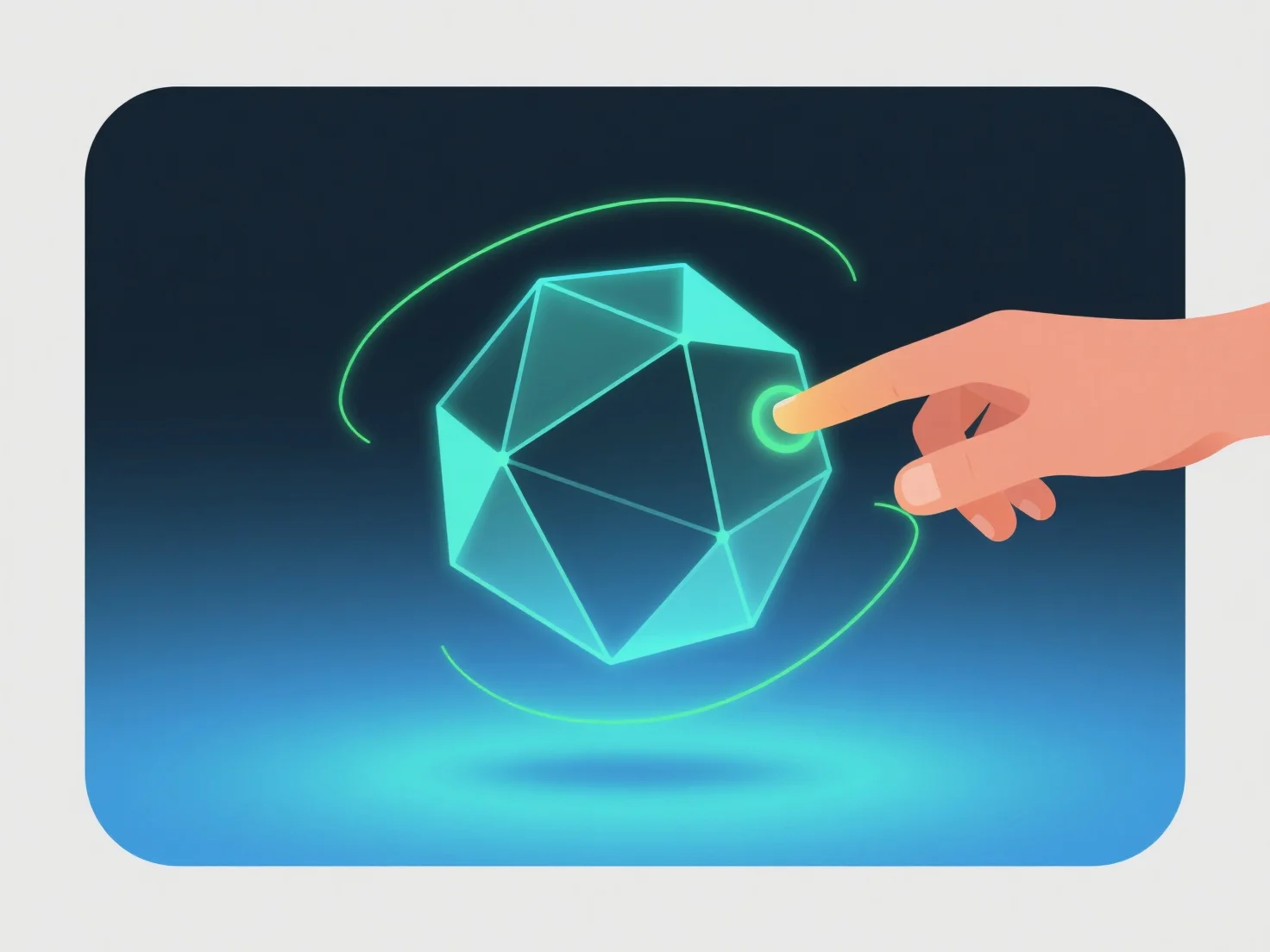
3D-моделювання покращує навички просторового мислення, вимагаючи від користувачів візуалізації, маніпуляції та конструювання 3D-форм, що безпосередньо розвиває здатність ментально представляти та взаємодіяти з просторовими відносинами.
Ключові способи, якими це покращує ці навички, включають: - Перетворення 2D-ідей (наприклад, ескізів) у 3D-структури, що тренує розумову конвертацію між вимірами. - Регулювання пропорцій і масштабування, покращення здатності оцінювати розмір і просторове розташування. - Збір компонентів у єдине ціле, сприяючи розумінню того, як частини пов'язані просторово.
Починаючи з простих проектів.