


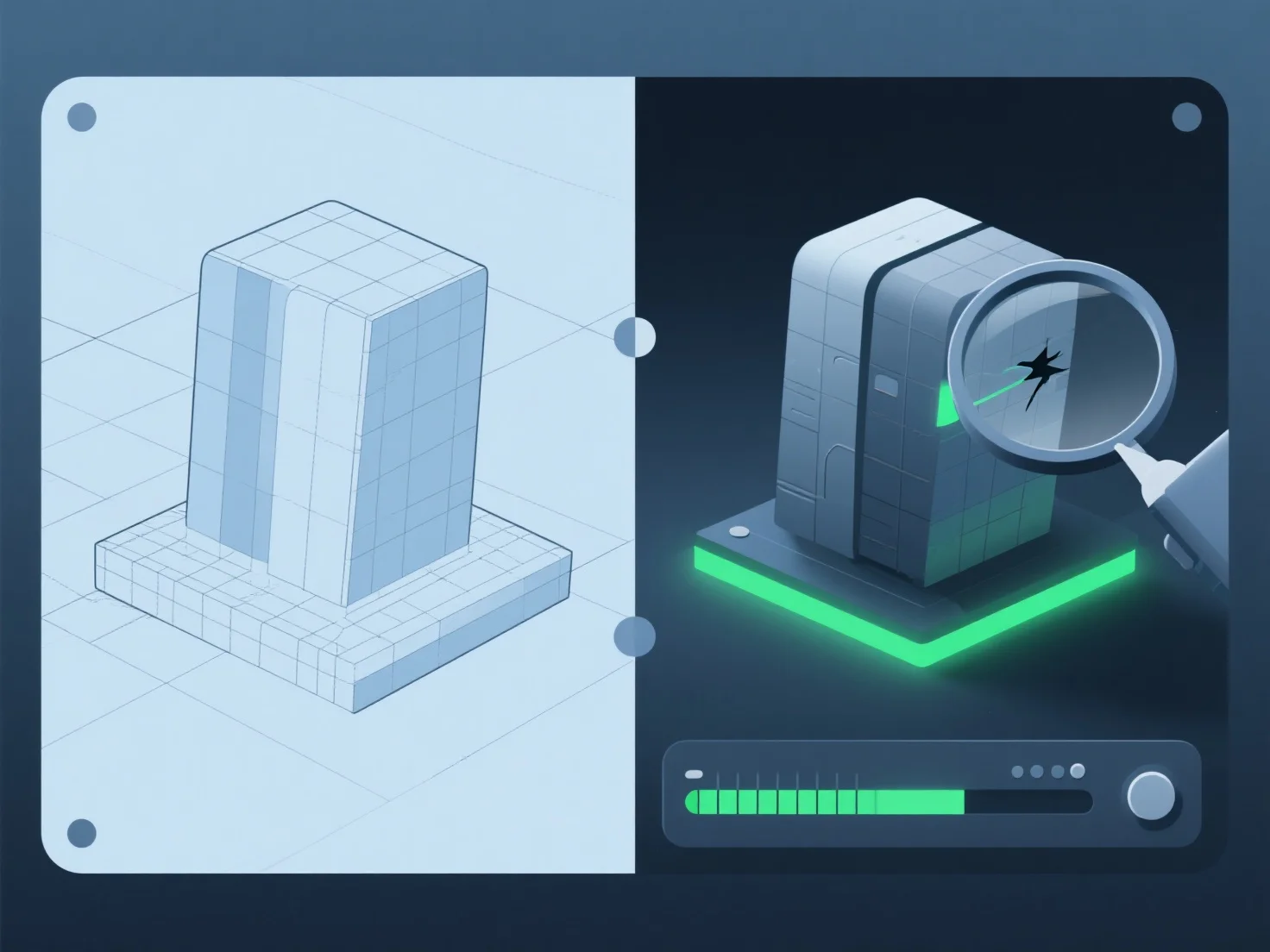
Final rendering quality in 3D design projects is controlled by adjusting technical parameters, validating material accuracy, and conducting iterative test renders.
Key technical parameters include resolution (defines image sharpness), anti-aliasing (reduces jagged edges), and light simulation (ensures realistic illumination), directly impacting visual clarity.
Material validation involves verifying texture details (e.g., color, reflectivity) and shadow effects (softness, direction) to align with design intent, critical in modeling and post-production workflows.
Iterative testing optimizes quality: start with low-resolution test renders to adjust settings (light angles, material properties) before final rendering, balancing output quality and efficiency.