Home/Hitem3D FAQ/How does the sculpting phase contribute to creating high-resolution 3D models?

How does the sculpting phase contribute to creating high-resolution 3D models?

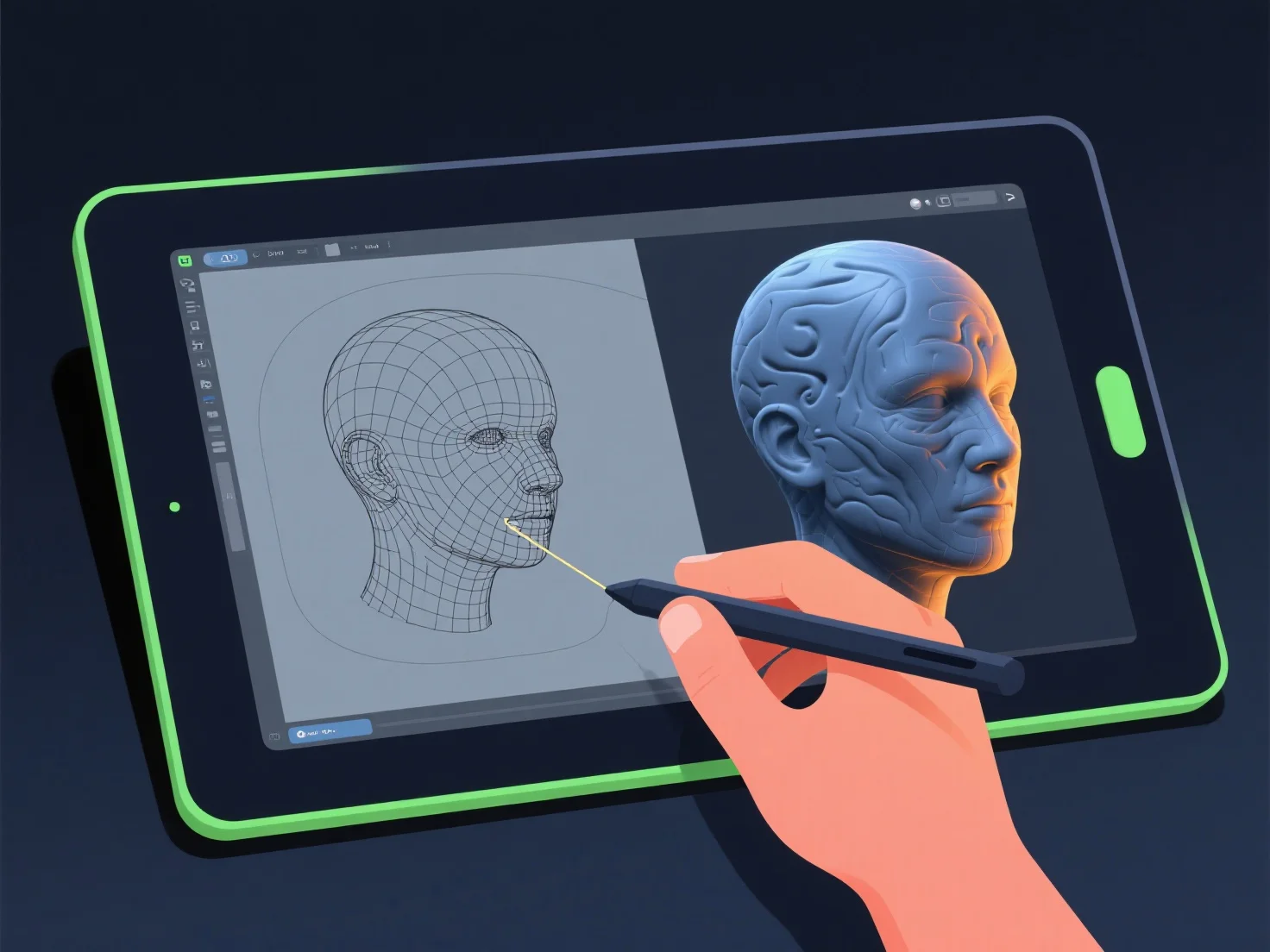
Sculpting transforms simple 3D meshes into detailed, lifelike models via manual detail enhancement, organic texture crafting, and form refinement.

How does the sculpting phase contribute to creating high-resolution 3D models?

The sculpting phase is crucial for creating high-resolution 3D models by enabling artists to manually add intricate details, organic textures, and fine surface variations that low-resolution base meshes cannot capture, bridging basic structure and high-fidelity detail.

Key contributions include: 1. **Detail Enhancement**: Using tools like ZBrush or Blender Sculpt Mode, artists add micro-details (e.g., wrinkles, pores, complex contours) that low-poly bases lack, boosting resolution depth. 2. **Organic Texture Crafting**: Unlike automated methods, sculpting allows handcrafted, natural textures mimicking real-world materials (e.g., skin, stone), enhancing realism. 3. **Form Refinement**: It refines the base mesh’s shape, ensuring smooth transitions and precise proportions, critical for high-resolution clarity.

Overall, sculpting transforms simple meshes into detailed, lifelike models by focusing on manual, precise detail work that drives high-resolution quality.

PreviousNext
Product
Web Studio
API Platform
Features
Image to 3D
Multi-view to 3D
Relief
Segmentation
Models
General Model
Portrait Model
Resource
Blog
FAQ
API Docs
About us
Pricing