


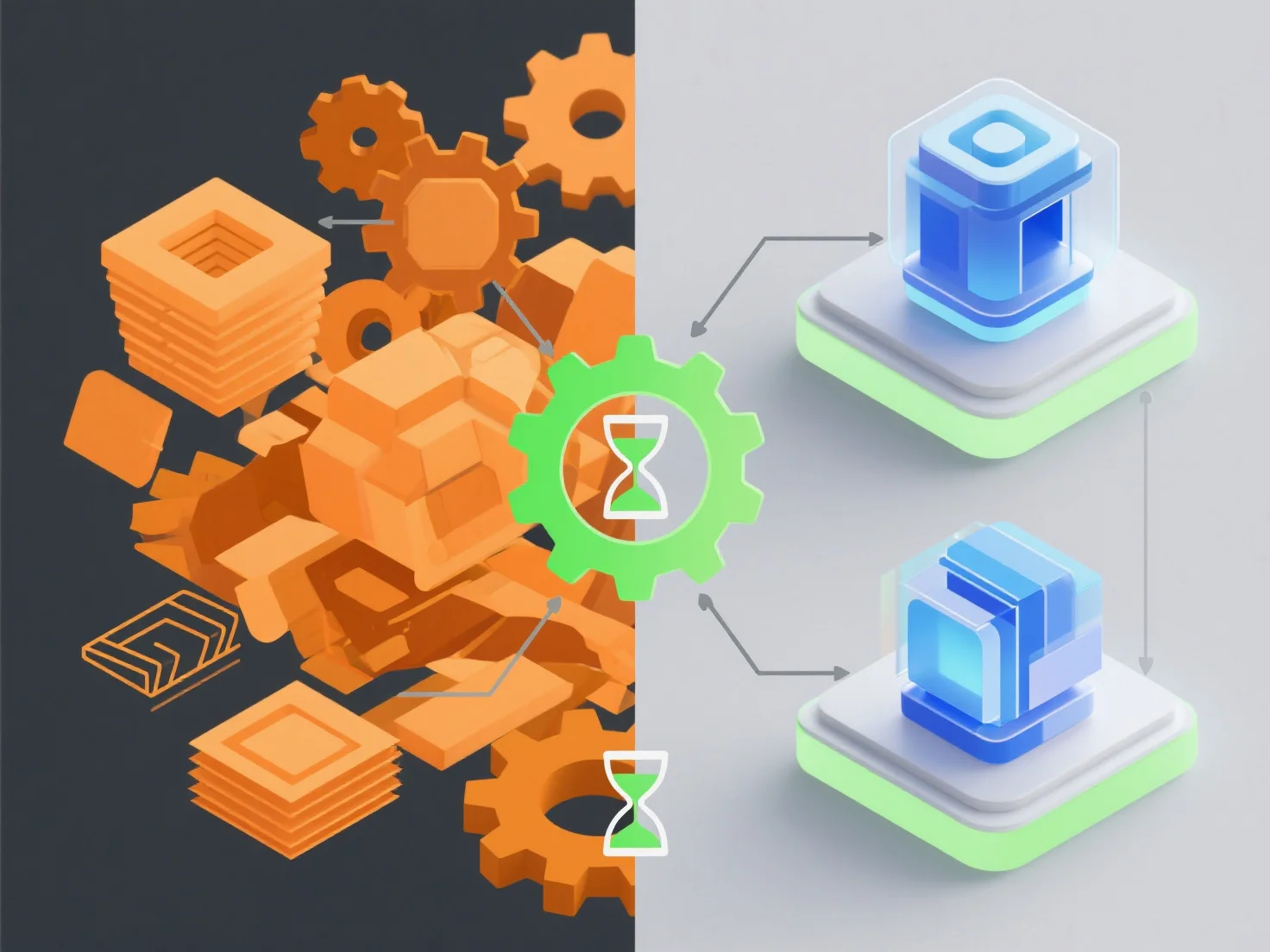
Iteration frequency directly impacts time costs in 3D modeling workflows: higher frequency often increases time due to accumulated adjustments, reviews, and revisions, while lower frequency may reduce initial time but risk more rework later from delayed feedback.
Higher iteration frequency: Each cycle adds time for design tweaks, team reviews, and revisions, which can quickly accumulate hours, especially with complex models.
Lower iteration frequency: Fewer early reviews may cut initial hours but often leads to major rework later when issues are discovered, increasing overall time costs.
To balance, teams can adopt phased review stages (e.g., concept, draft, final) to control iteration frequency, optimizing time efficiency without sacrificing quality.