Home/Hitem3D FAQ/How does 3D presentation differ between desktop and mobile contexts?

How does 3D presentation differ between desktop and mobile contexts?

3D presentation differs between desktop and mobile in hardware, interaction, performance, and development optimization.

How does 3D presentation differ between desktop and mobile contexts?

3D presentation differs between desktop and mobile contexts mainly in hardware support, interaction methods, and performance priorities.

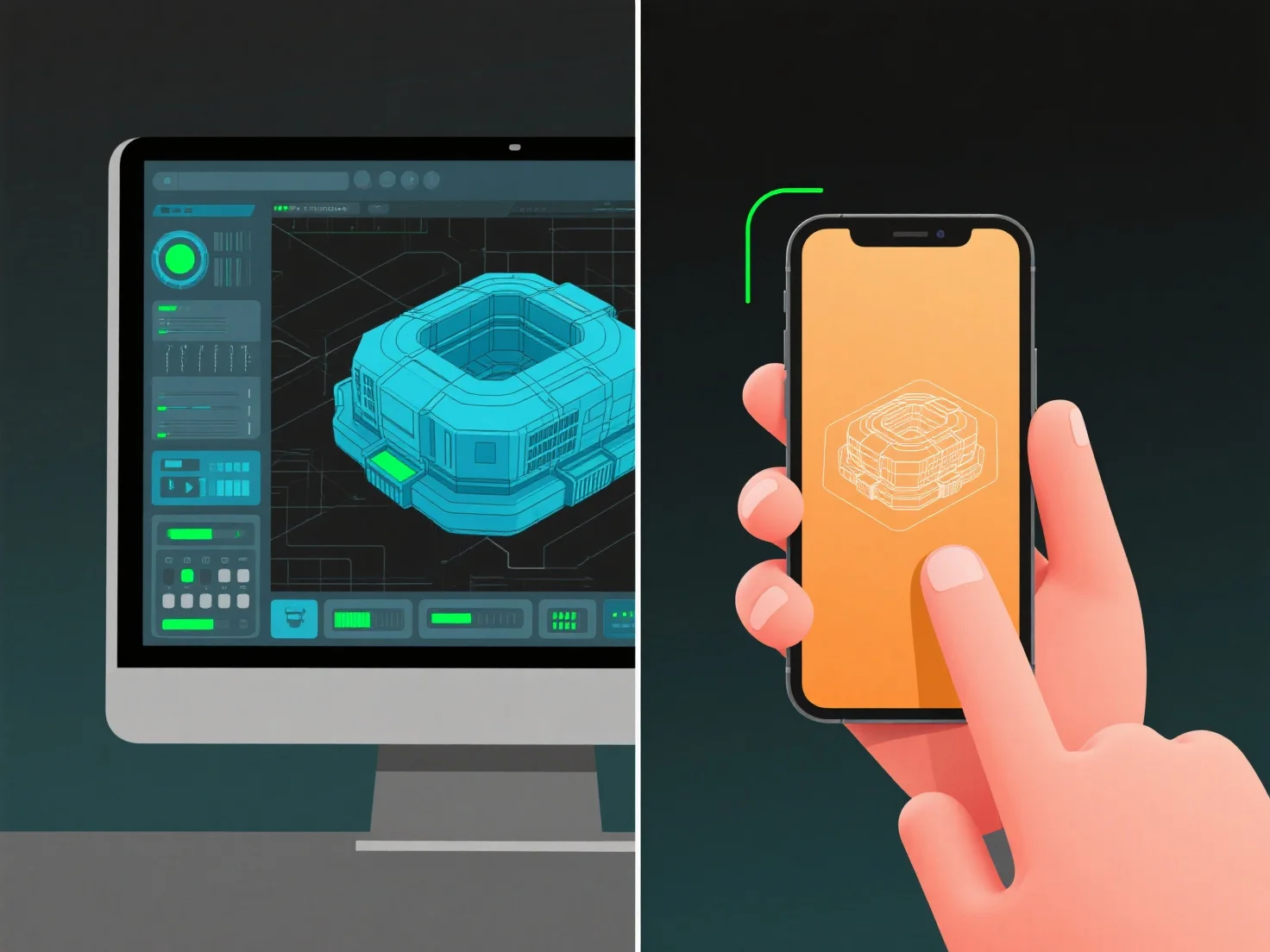
Desktops, with powerful GPUs and larger screens, enable high-detail 3D models, complex textures, and real-time rendering effects. Mobile devices, limited by smaller displays and battery constraints, often use simplified models, optimized shaders, and touch interactions like swiping to rotate or pinch-to-zoom.

For example, desktops may support multi-monitor 3D visualization for design work, while mobile focuses on lightweight AR/VR 3D overlays for on-the-go use.

When developing 3D content, optimize model polygon counts for mobile to ensure smooth loading, while desktops can handle higher complexity for detailed presentations.

PreviousNext
Product
Web Studio
API Platform
Features
Image to 3D
Multi-view to 3D
Relief
Segmentation
Models
General Model
Portrait Model
Resource
Blog
FAQ
API Docs
About us
Pricing