Home/Hitem3D FAQ/How do 3D solutions adapt differently to online and offline scenarios?

How do 3D solutions adapt differently to online and offline scenarios?

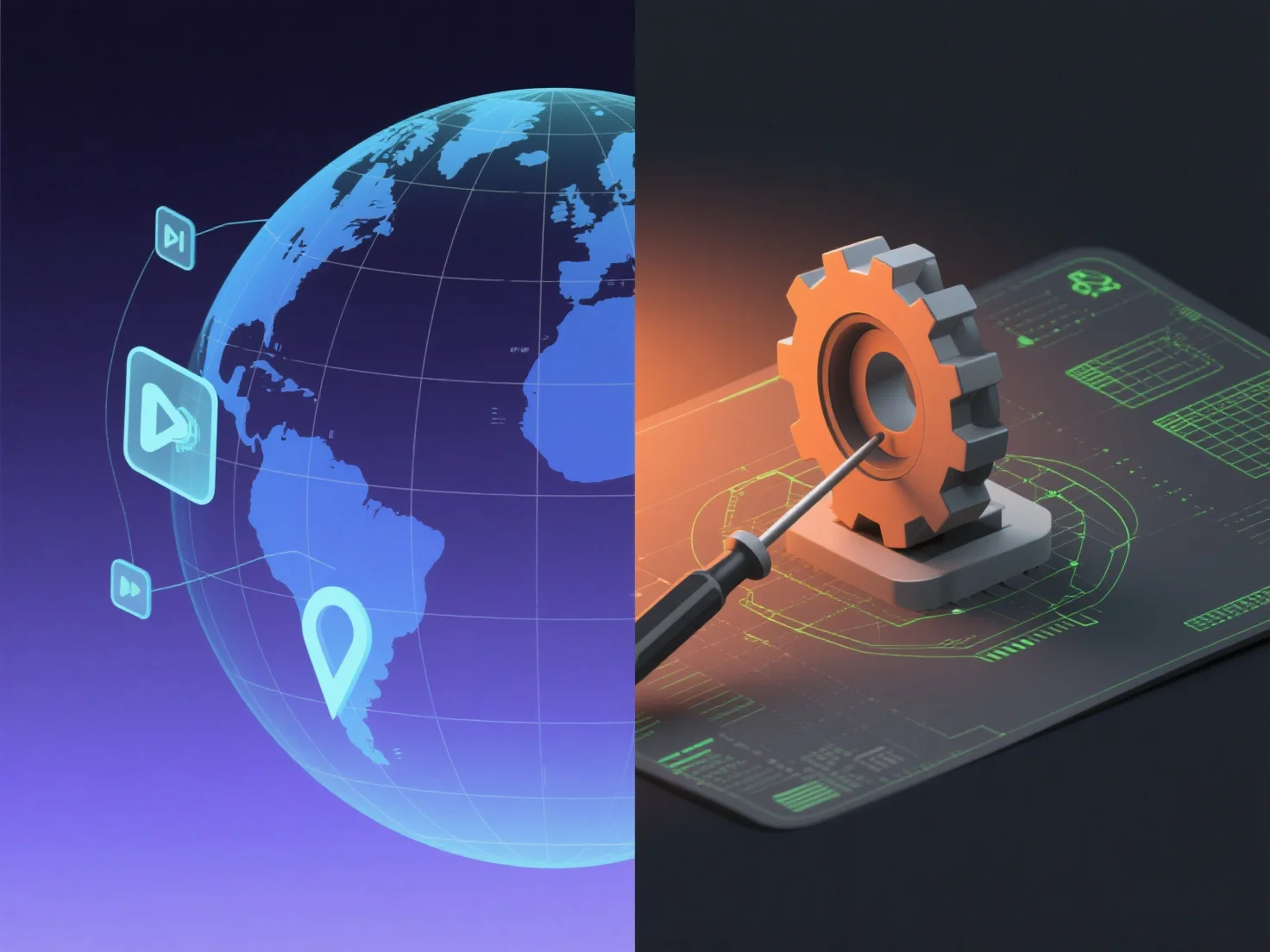
3D solutions adapt to online/offline scenarios via data transmission, interaction, hardware reliance, with online for collaboration/remote and offline for detailed design/simulations.

How do 3D solutions adapt differently to online and offline scenarios?

3D solutions adapt to online and offline scenarios primarily through differences in data transmission, interaction modes, and hardware reliance.

Online 3D solutions prioritize lightweight models and real-time rendering to minimize network latency, often using cloud computing for resource-intensive tasks like AR/VR streaming.

Offline 3D solutions, by contrast, leverage local hardware for high-detail rendering and complex interactions, such as desktop design software or in-person exhibitions with physical 3D models.

In practice, online scenarios suit collaborative projects or remote access, while offline is better for detailed design or high-performance simulations.

PreviousNext
产品
Web 工作室
API 平台
功能
图片转 3D
多视图转 3D
浮雕
分割
模型
通用模型
人像模型
资源
博客
常见问题
API 文档
关于我们
定价