


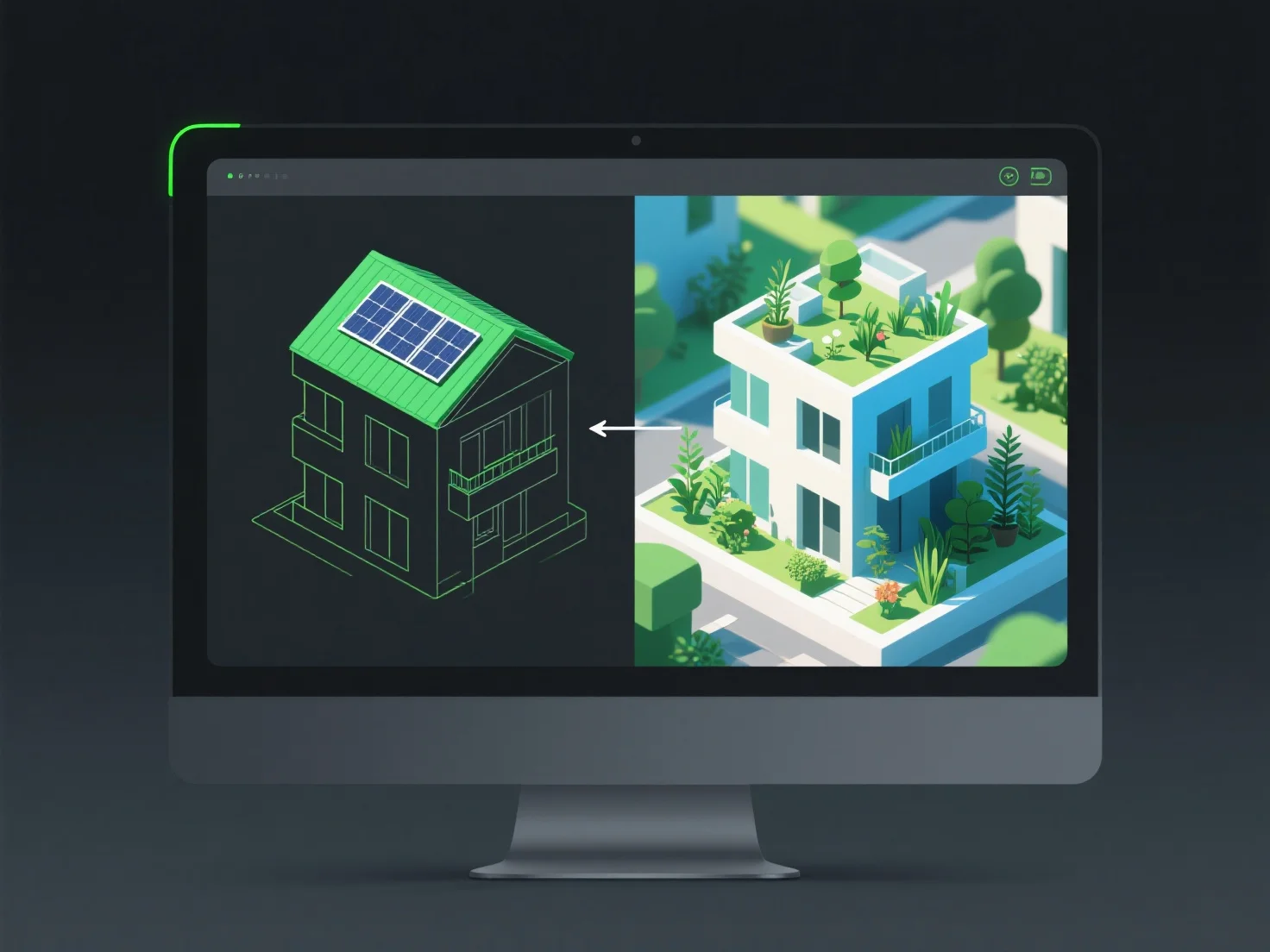
3D modeling assists in implementing environmentally sustainable designs by enabling precise visualization and optimization of resource usage and environmental impact, allowing early identification of eco-friendly solutions to minimize real-world resource waste.
Key applications across industries include: - Architecture: Optimizing building layouts for natural light, ventilation, and energy efficiency to reduce carbon footprint. - Manufacturing: Cutting material waste through virtual prototyping and design iteration before physical production. - Urban Planning: Simulating green spaces, renewable energy integration, and sustainable infrastructure to boost environmental resilience.
For sustainable design beginners, 3D modeling helps test eco-materials or energy-saving layouts, prioritizing responsible choices without costly physical trials.