


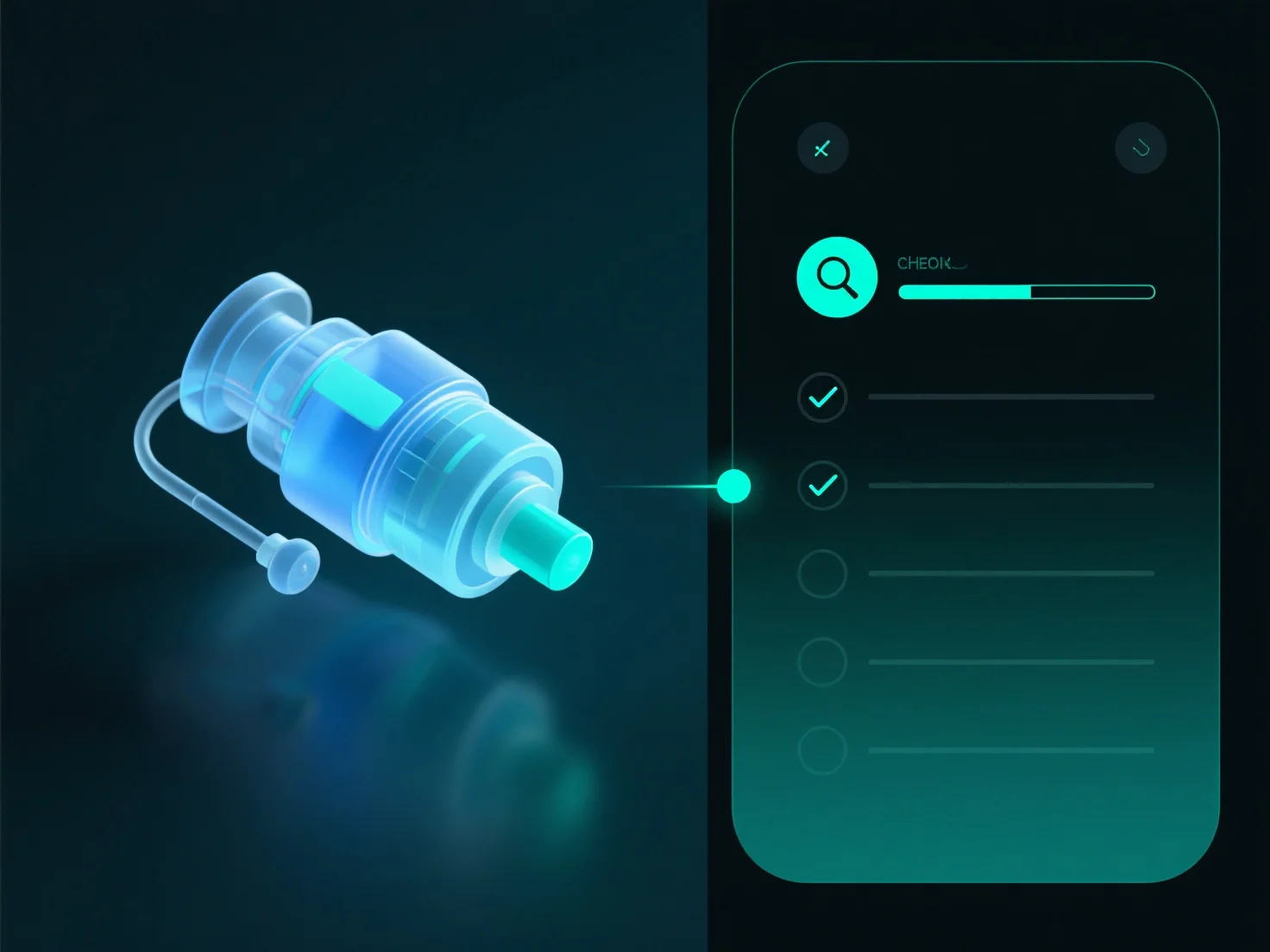
3D-Modellierung rationalisiert den Beschaffungsprozess im Gesundheitswesen, indem sie eine präzise Visualisierung, Anpassung und digitale Bewertung von medizinischen Geräten und Ausrüstungen ermöglicht, Kosten reduziert und die Entscheidungsfindung beschleunigt.
Es minimiert die Abhängigkeit von physischen Prototypen: Beschaffungsteams können Produktspezifikationen, die Kompatibilität mit bestehenden Systemen und die Funktionalität digital bewerten, wodurch Bewertungszyklen verkürzt und Fehler reduziert werden. Beispielsweise bei der Beschaffung von maßgeschneiderten Prothesen oder chirurgischen Instrumenten überprüfen 3D-Modelle die Passform zur Patientenanatomie oder medizinischen Einrichtungen ohne physische Muster, was zu niedrigeren Rücksendequoten und schnelleren Käufen führt.
Um weitere Optimierungen vorzunehmen, sollten Gesundheitseinrichtungen 3D-Modellierung in die Kommunikation mit Lieferanten integrieren, um Anforderungen frühzeitig zu klären und eine vorherige Abstimmung über Produktdetails sicherzustellen.