


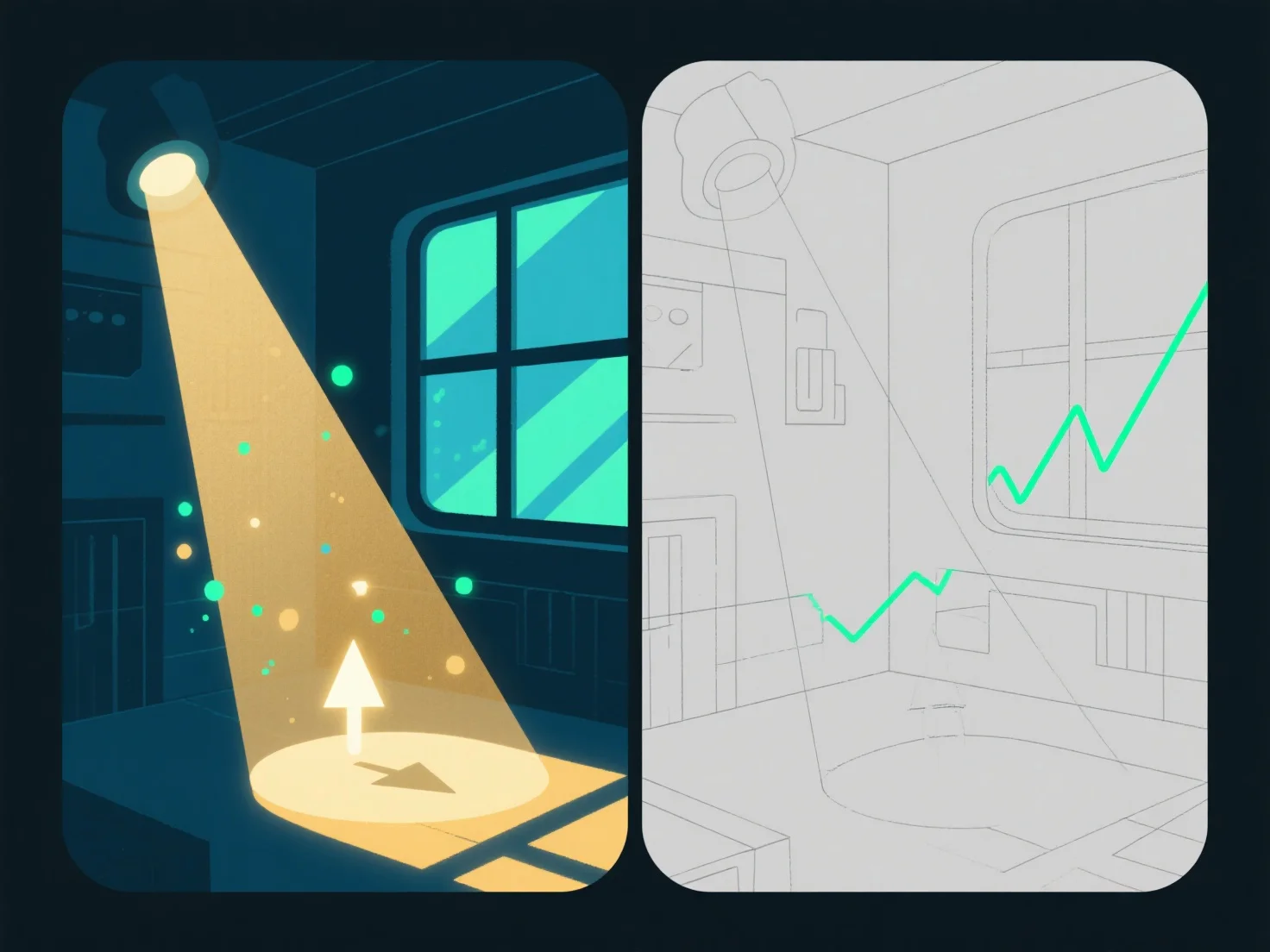
To manage real-time lighting effects without sacrificing performance, focus on optimizing rendering strategies and leveraging hardware capabilities. This balances visual quality and speed by prioritizing critical elements and reducing unnecessary computations.
- Prioritize critical light sources: Allocate resources to key lights (e.g., main character spotlights) and limit non-essential ones (e.g., ambient background lights) to lower complexity. - Simplify distant/less impactful lights: Use approximated calculations (e.g., spherical harmonics) instead of full ray tracing for lights far from the camera or with minimal visual impact. - Leverage GPU acceleration: Utilize hardware features like real-time ray tracing with AI denoising (e.g., NVIDIA DLSS) to reduce rendering load while maintaining realism.
By combining these methods, real-time lighting remains responsive and visually consistent without overburdening the system.