


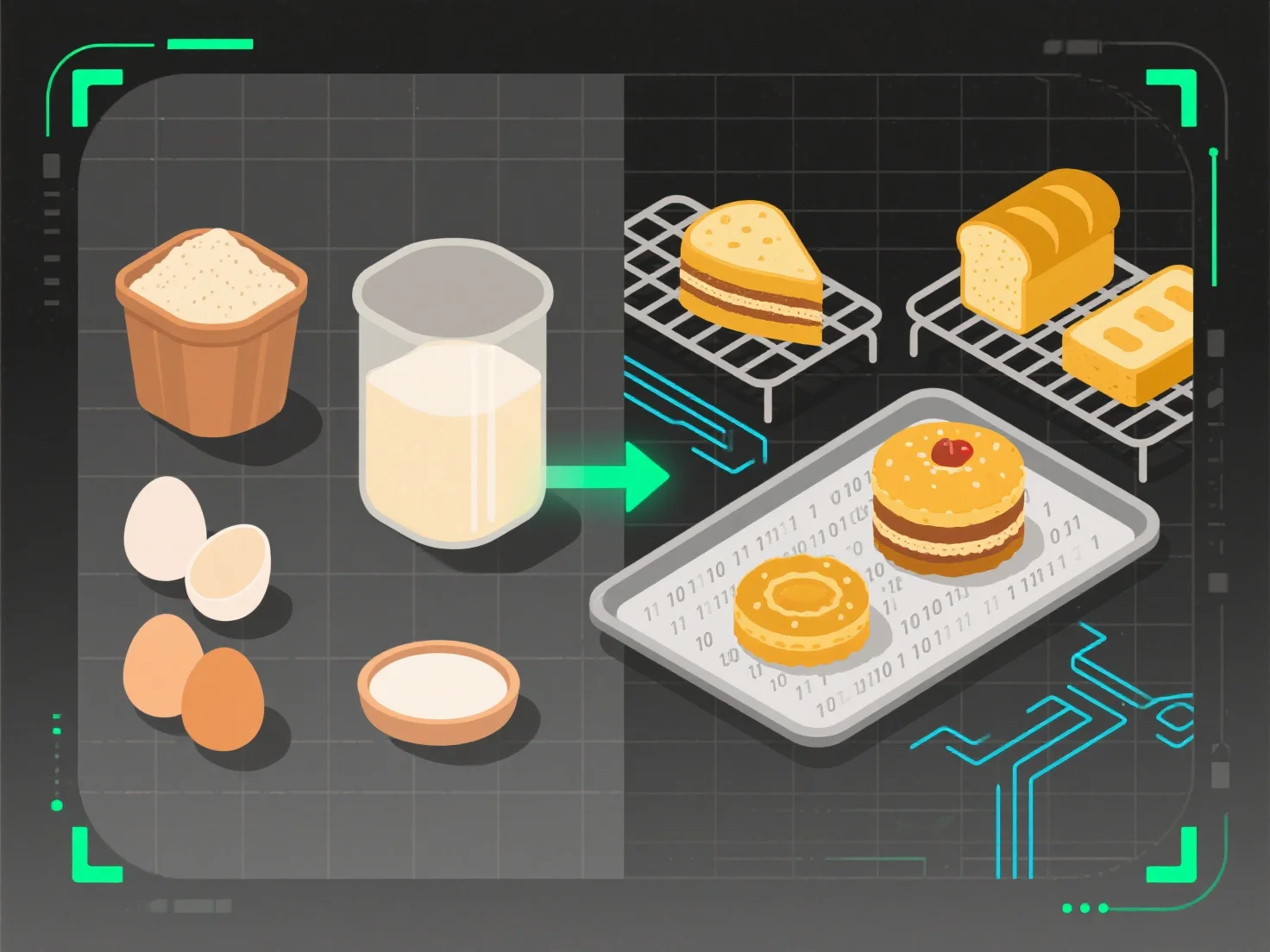
Випікання покращує продуктивність додатків у реальному часі завдяки попередньому обчисленню складних візуальних даних.
Він перетворює динамічні або обчислювально важкі ефекти (такі як глобальне освітлення, амбієнтна оклюзія) на попередньо відрендерені текстури, які завантажуються і відображаються швидше, ніж при перерахунку під час виконання.
Ключові застосування у різних галузях: - Розробка ігор: Випікання лайтмап для статичних сцен знижує навантаження на графічний процесор, підтримуючи високу частоту кадрів. - AR/VR: Попереднє випікання даних про тіні зменшує затримку, забезпечуючи плавну взаємодію з користувачем. - Симуляції: Випікання властивостей матеріалів.
Щоб оптимізувати, надайте пріоритет випіканню нединамічних елементів. Це широко використовуваний і доступний метод зменшення затримки.