


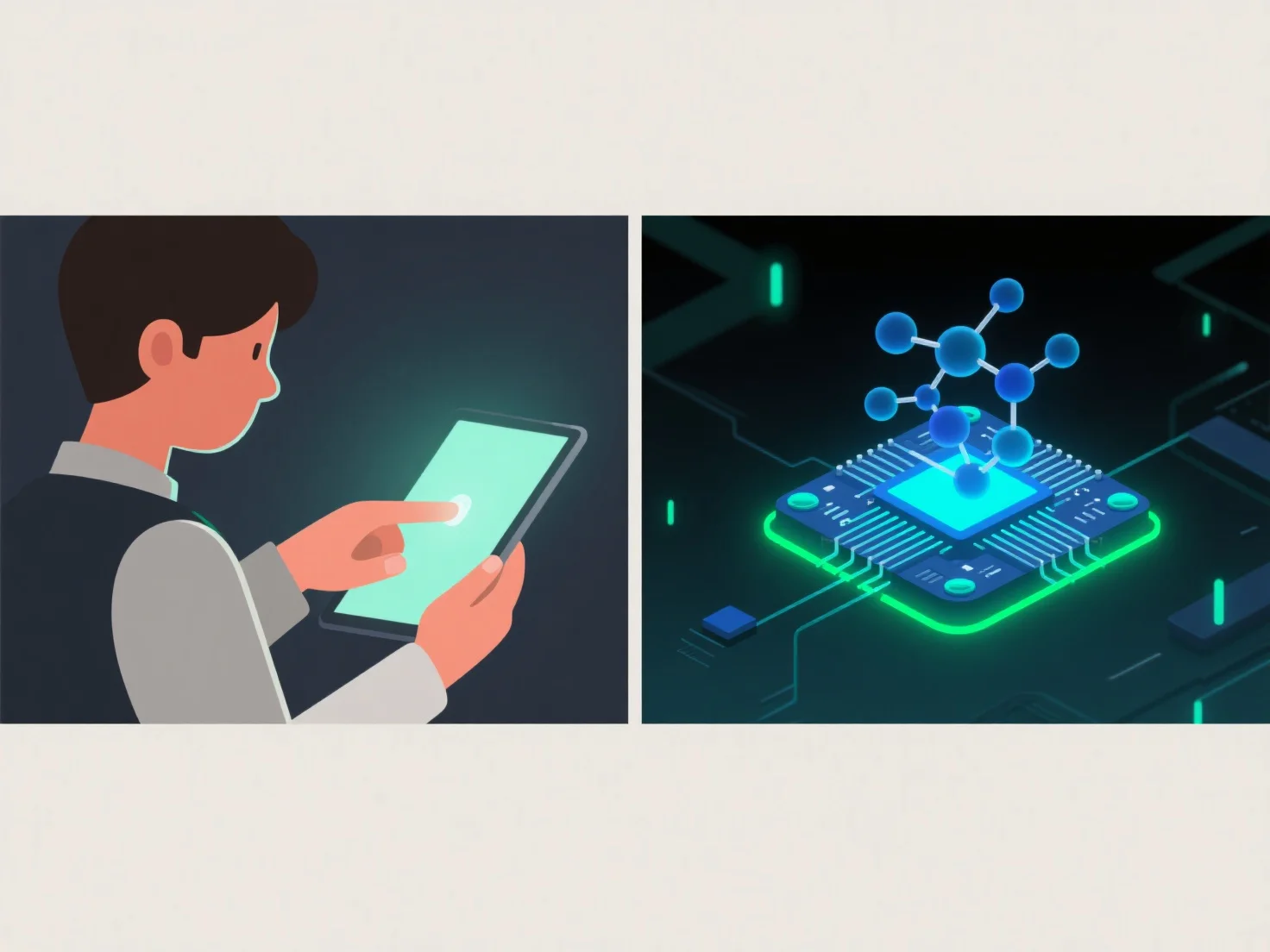
Virtual labs powered by 3D modeling improve hands-on learning experiences by enabling interactive, risk-free manipulation of complex objects or processes in a realistic virtual environment. This core advantage lets learners explore, disassemble, or simulate experiments without physical constraints like cost, safety risks, or equipment limits, boosting engagement and understanding.
Key applications across fields include: - Science: Simulate chemical reactions or biological processes with 3D models, adjusting variables to observe real-time outcomes. - Engineering: Practice machinery assembly/troubleshooting via 3D parts, allowing repeated trials to master steps without damaging equipment. - Medical: Interact with 3D anatomical models, rotating/zooming to study structures, enhancing spatial understanding over 2D diagrams.
For new users, starting with basic 3D models (e.g., cell structures, simple machines) helps adapt to interactive virtual environments.